A glass of water should be one of the simplest things in the house. Fill it, take a sip, and move on. Yet plenty of people have had that moment when the water tastes slightly strange — metallic, flat, earthy, or faintly like a swimming pool.
It isn’t always a sign that something is seriously wrong. Water naturally contains minerals, and treated municipal supplies may have disinfectants that affect taste and smell. Plumbing can play a role, too. Still, if the taste has changed or you’ve never really liked the water coming from your tap, it’s worth finding out why.
The answer isn’t necessarily a fancy filtration system. In many cases, better results begin with understanding the water itself.
Taste Is Useful, But It Isn’t a Water Test
Your senses can tell you that something has changed, but they can’t tell you exactly what caused it.
A metallic taste could be associated with certain minerals or plumbing conditions. A chlorine-like flavor may come from disinfectants used in municipal water treatment. Earthy or musty notes can have other causes. Sometimes the problem is as simple as water sitting in pipes for an extended period.
This is why taste should be treated as a clue rather than a diagnosis.
A glass of water can look perfectly clear while containing dissolved substances that aren’t visible. On the other hand, a harmless mineral characteristic can sometimes create a noticeable taste.
That’s where testing becomes useful.
Understanding Water Quality at Home
The phrase water quality sounds straightforward, but it covers a surprisingly broad range of characteristics.
Water quality can involve hardness, pH, minerals, sediment, chlorine, iron, manganese, microorganisms, and various other substances depending on the water source.
Municipal water and private well water can also present very different considerations. Public supplies are treated and monitored under applicable regulations, while private well owners are generally responsible for arranging appropriate testing and maintenance themselves.
Your location matters, too. Groundwater moves through different rock and soil formations, picking up different minerals along the way.
So when someone says, “Our neighbor has the same water problem,” that may be true — or it may not be. Even nearby properties can have different plumbing, wells, or treatment setups.
Start With Water Testing
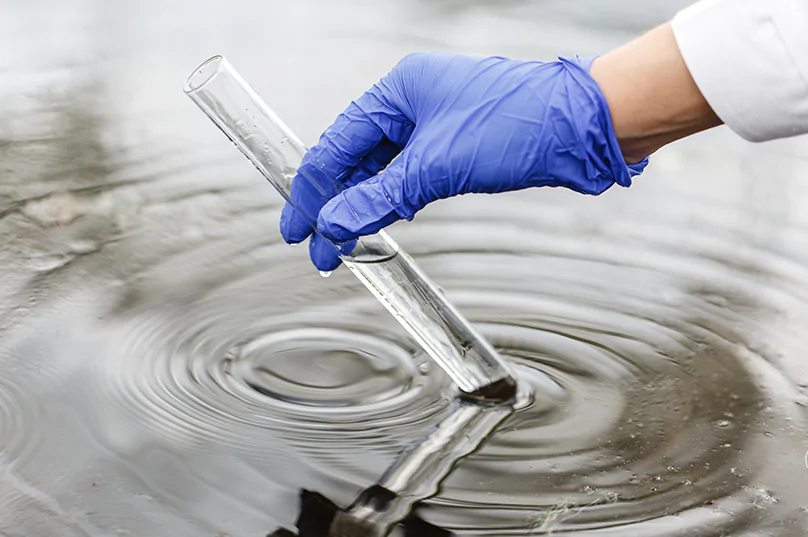
If you want to make an informed decision, water testing is a sensible place to begin.
Testing can help identify characteristics that aren’t obvious from taste or appearance. Depending on the water source and the reason for testing, a professional analysis may examine hardness, pH, iron, manganese, chlorine, sediment, bacteria, dissolved minerals, or other parameters.
The exact testing panel should reflect the water source and the concerns you’re trying to investigate.
For example, a homeowner with a private well may have different testing priorities from someone living in a city with a municipal water supply.
The goal isn’t to collect the biggest possible list of numbers. It’s to get useful information that helps guide the next decision.
What Makes Water Taste Better?
Once you understand the water, treatment becomes much easier to discuss.
Carbon filtration is commonly used to improve taste and odor by reducing certain substances, including chlorine in many applications. Reverse osmosis can reduce many dissolved substances and is often used for drinking and cooking water. Other treatment technologies are designed for hardness, sediment, iron, or specific water-quality concerns.
The right solution depends on the problem.
For someone whose main complaint is chlorine taste, a properly selected carbon filter may make a noticeable difference. Another household might have high mineral content that requires a different approach.
There’s no reason to install equipment designed for a problem you don’t have.
The Kitchen Is Often the Best Place to Start
Many homeowners don’t necessarily need to treat every gallon entering the house.
If your primary goal is better water for drinking, cooking, coffee, and food preparation, point-of-use treatment can be a practical option.
An under-sink filtration system or reverse osmosis unit can provide treated water through a dedicated faucet without changing the water used for showers, toilets, or outdoor activities.
For some homes, that’s enough.
It can also be easier to maintain because you’re focusing treatment where it matters most.
Of course, if hard water or another issue affects the entire house, broader treatment may make more sense.
Don’t Forget About Your Plumbing
Sometimes the water leaving the treatment plant or well isn’t the same water that reaches your glass.
Household plumbing can influence taste and appearance. Older pipes, water sitting for long periods, and certain plumbing materials can contribute to changes.
If water tastes unusual after sitting overnight, try running the cold tap for a short period and see whether the taste changes. If the problem persists or suddenly appears without explanation, investigation is worthwhile.
Don’t assume a filter is always the answer. The source of the problem might be somewhere else in the system.
Storage Matters, Too
Homes with storage tanks or cisterns have another factor to consider.
Water that sits in a poorly maintained tank can develop problems related to sediment, debris, or other environmental exposure. Tanks need appropriate inspection and cleaning, just like other parts of a water system.
If you rely on stored water, make sure the tank is protected and maintained according to its design and intended use.
A filtration system cannot completely compensate for poor storage practices.
Better Taste Can Change Habits
Taste isn’t just about preference.
People are more likely to drink water regularly when they enjoy how it tastes. If the tap water has an unpleasant odor or aftertaste, it’s easy to reach for bottled drinks instead.
Creating access to great-tasting water can make it easier for a household to choose water throughout the day.
That may mean a simple filter, a reverse osmosis system, or another treatment method depending on the circumstances.
There’s something satisfying about opening the refrigerator and realizing you don’t need a bottle because the water from the tap is already good enough.
Maintenance Is Part of Good Water
Once you install a filtration system, don’t forget about the boring part.
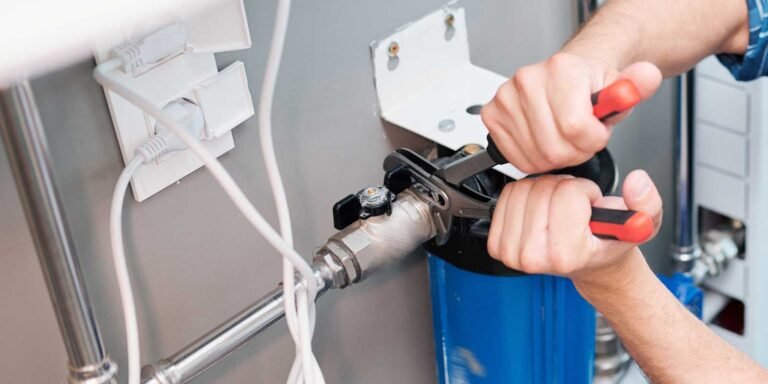
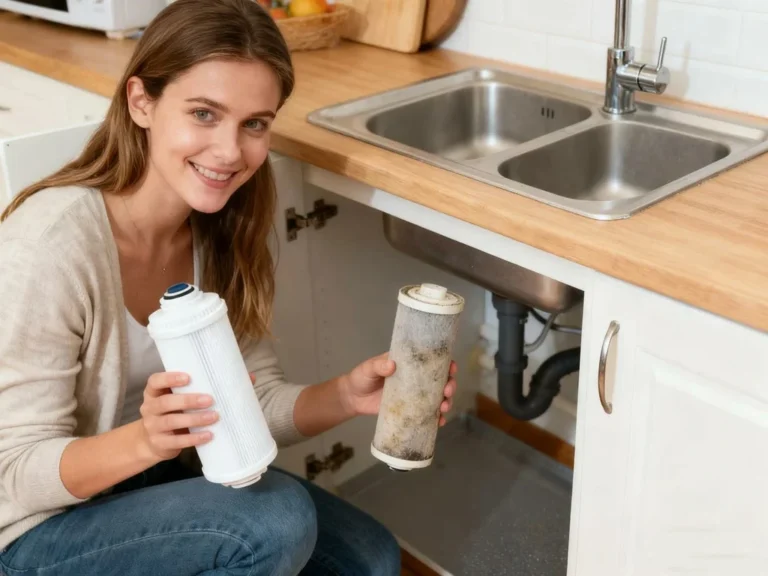
Filters need replacement. RO membranes have a service life. Storage tanks require inspection. Treatment equipment may need cleaning or adjustment.
A neglected filter isn’t doing anyone much good.
Follow the manufacturer’s maintenance recommendations and pay attention to changes in taste, odor, flow, or appearance. Those changes can be useful signals that something needs attention.
Keeping a simple record of filter changes can help, too. It’s an easy habit and saves you from guessing six months later.
Don’t Chase the Most Complicated System
Water treatment can become confusing because there are so many technologies available.
It’s tempting to assume the system with the most stages must produce the best results. That’s not necessarily true.
A good system is one that addresses the actual water-quality issue, fits the household’s usage, and can be maintained properly.
Testing first helps keep the decision grounded.
You don’t need to become an expert in membranes, filtration media, flow rates, and regeneration cycles. You just need enough information to understand what your water needs.
A Better Glass of Water Starts With Better Decisions
Good-tasting tap water doesn’t happen by accident. It comes from understanding the source, identifying the characteristics that affect taste, and choosing treatment accordingly.
Sometimes the solution is surprisingly simple. Other situations require several treatment steps or professional evaluation.
Either way, guessing isn’t the best strategy.
Start with testing. Understand what the results mean. Consider whether the issue is isolated to drinking water or affects the entire property. Then choose treatment that solves the actual problem.
The goal isn’t to create the most sophisticated water system in the neighborhood. It’s much simpler than that.
You want water that tastes good, fits your household’s needs, and can be maintained without becoming another chore. When you get that balance right, reaching for the tap becomes the easiest choice again.