A water treatment system can look pretty simple once it’s installed. A few tanks, some plumbing, a control panel, and you’re done. But behind that straightforward appearance are dozens of small engineering decisions that affect how reliably the system performs.
Most homeowners aren’t interested in those details when they’re standing in the utility room. They just want the water to taste better, scale to stay under control, and the system to work without becoming another thing to worry about.
Fair enough.
Still, understanding a few of the components and features can make it much easier to compare systems intelligently. The impressive-looking feature isn’t always the one that matters most. Sometimes, the seemingly boring part — a valve, programming control, or properly sized plumbing connection — has a bigger impact on everyday performance.
Good Water Treatment Starts With Good Flow
Water has to move through a treatment system at the right rate for the equipment to perform properly. Too much flow can reduce contact time with filtration media, while an undersized connection can restrict the home’s water supply.
This is why system design matters as much as the individual components.
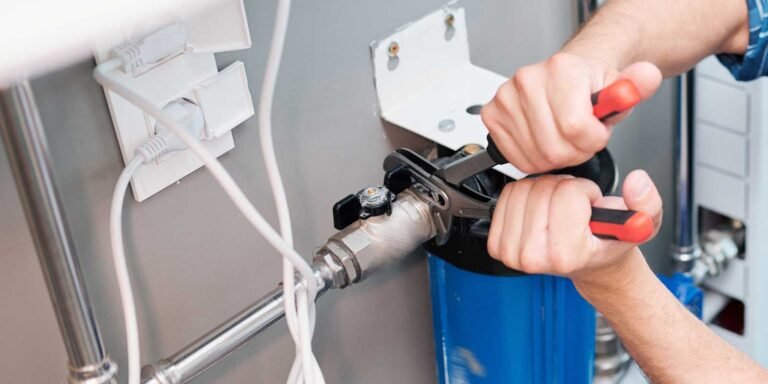
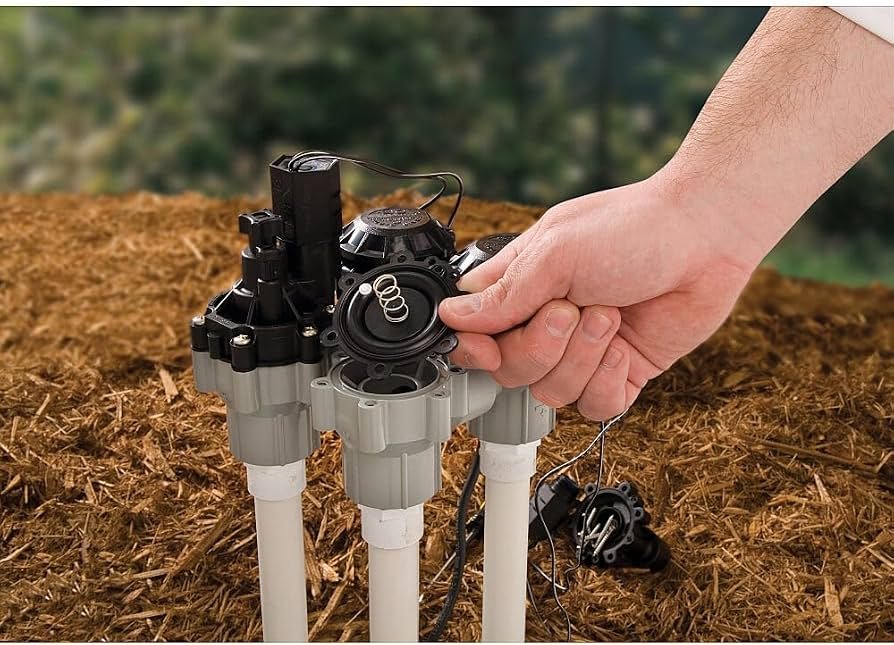
A properly selected professional grade 1” control valve can provide a robust connection point and help manage important treatment functions. The exact capabilities depend on the equipment, but a well-designed control valve can contribute to dependable operation and make certain maintenance tasks easier.
It isn’t exactly the kind of feature you’ll brag about to your neighbors. But when the system works smoothly day after day, those engineering details start to matter.
The Control Valve Is More Important Than It Looks
Think of the control valve as part traffic controller, part system manager.
Depending on the treatment equipment, the valve may control processes such as regeneration, backwashing or service flow. It helps determine when water moves through the treatment media and when the system performs maintenance cycles.
If that control isn’t reliable, even excellent filtration media may not deliver consistent results.
The valve also needs to match the application. Household water demand, plumbing size, treatment type and operating requirements should all be considered before selecting one.
This is one reason professional sizing is worthwhile. You don’t want a component chosen in isolation.
Digital Controls Can Make Life Easier
Water treatment systems used to rely heavily on mechanical controls and settings that homeowners rarely touched. Modern equipment can be considerably more user-friendly.
An intelligent programmable digital interface can make it easier to monitor and adjust system settings, depending on the model. Instead of trying to interpret complicated mechanical controls, homeowners may be able to see information clearly and program operating cycles according to their household schedule.
That’s particularly useful when water demand follows a predictable pattern.
For example, if the system performs a regeneration cycle, programming it during a period of low household water use can reduce the chance of interruptions when everyone is getting ready for work or school.
Small convenience? Yes. But small conveniences add up.
Efficiency Is About More Than the Energy Bill
When people hear the word “efficiency,” they often think about electricity. Water treatment efficiency can involve much more than that.
A system may use water during backwashing or regeneration. It may require salt or other consumables. It may also affect how often components need servicing.
A well-designed system aims to accomplish its treatment function without wasting unnecessary resources.
That is where high efficiency becomes more than a marketing phrase. Homeowners should look for specific information about water consumption, regeneration requirements, operating settings and expected maintenance.
The numbers matter more than the label.
If two systems appear similar, comparing their long-term resource use can reveal a meaningful difference over several years.
Sizing Should Come Before Shopping
One of the most common mistakes in water treatment is choosing equipment based solely on the size of the home.
Square footage doesn’t tell the whole story.
The number of people living in the house, peak water usage, hardness levels, water chemistry and plumbing flow all influence system requirements.
A family of six may place much more demand on a system than two people living in a larger house. Likewise, a home with unusually hard water may require a different treatment capacity than a similar property with relatively mild hardness.
Proper sizing helps the system operate within its intended range.
It’s less exciting than comparing product features, but it’s arguably more important.
Think About Maintenance Before Installation
A water treatment system will eventually need attention. Filters get replaced. Media may need servicing. Valves need inspection. Connections can wear over time.
Before installation, consider whether the equipment will be easy to access.
There’s nothing particularly clever about placing a control valve where a technician can barely reach it. Yet poor accessibility can turn a simple service appointment into a much bigger job.
Leave enough clearance around tanks and controls. Keep the area reasonably clean. Make sure shutoff and bypass valves can be reached.
Future maintenance should be part of the original design rather than an afterthought.
Automation Isn’t the Same as No Maintenance
Digital controls can make operation easier, but automation doesn’t make a system immortal.
Sensors can require attention. Settings can change. Filters still have service lives. Mechanical components still experience wear.
The good news is that automated equipment can often make routine operation more predictable.
Some systems can adjust cycles based on usage or programmed schedules, depending on their design. This can help avoid unnecessary regeneration or maintenance cycles and may improve resource use.
But homeowners should still understand what the system is doing.
If something seems different — water pressure drops, the taste changes, or the equipment begins cycling unexpectedly — don’t assume the electronics will sort it out.
Installation Quality Can Make or Break Performance
Even a well-designed system can underperform when installed incorrectly.
Plumbing connections need to be appropriately sized. Flow direction needs to be correct. Drain lines must be installed properly when required. Electrical connections and controls should follow the manufacturer’s requirements.
A professional installer should also consider the home’s existing plumbing rather than treating the installation as a completely separate project.
This matters because water treatment isn’t an isolated appliance. It’s connected directly to the way your home uses and distributes water.
A good installation should feel like it belongs there.
Don’t Be Distracted by Feature Overload
Modern treatment equipment can come with plenty of impressive-sounding features.
Smart controls. Advanced valves. Multiple operating modes. Monitoring capabilities.
Some are genuinely useful. Others may offer little value for a particular household.
When comparing systems, make a list of your actual priorities. Is your biggest concern hard water? Taste? Sediment? Appliance protection? Reducing resource use?
Once you know that, evaluate features based on whether they help solve those problems.
A feature isn’t valuable simply because it’s advanced.
Ask Better Questions Before You Buy
When speaking with a water treatment professional, don’t hesitate to ask for specifics.
What does the system remove or reduce? How much water does it use during maintenance cycles? What is the expected service life of the components? How often will it need attention?
Ask about flow rate, too.
And if a particular control valve or digital interface is being recommended, ask why. The answer should connect back to your water conditions and household requirements.
Good advice should be explainable in plain language.
The Best Systems Are Often the Least Dramatic
Nobody wants to spend their weekend thinking about valves and regeneration cycles. That’s understandable.
But a little knowledge can help you avoid choosing a system based purely on appearance or advertising.
Look for sensible engineering, appropriate sizing, accessible maintenance, dependable controls and reasonable resource use. Those characteristics may not sound exciting, but they are the things that contribute to reliable performance over time.
Ultimately, a good water treatment system should fit quietly into your home.
You shouldn’t have to wonder whether it’s keeping up. You shouldn’t need to constantly adjust it. And you definitely shouldn’t have to become a technician just to keep it operating.
The best equipment simply does what it was designed to do, day after day.
That’s the real value behind all those small components and technical details: not complexity for its own sake, but a better, more dependable experience every time you turn on the tap.