The kitchen faucet is probably one of the hardest-working fixtures in the house. You use it to fill a glass, rinse vegetables, make coffee, cook pasta, wash dishes, and refill the water bottle you forgot to fill before leaving for work.
Because of that, it makes sense that many homeowners want their drinking water to be as pleasant and dependable as possible.
Sometimes the solution is simple. A basic filter may improve taste and odor. In other homes, however, there may be a specific water-quality concern that calls for more targeted treatment. The challenge is figuring out which situation applies to you.
That starts with understanding your water instead of buying equipment based on a vague promise printed on a box.
Why Point-of-Use Filtration Is So Popular
Not every household wants to treat every gallon of water entering the property. If your main concern is drinking and cooking, treating water at the kitchen sink can be a practical approach.
A single faucet filter system focuses treatment on one point of use. Depending on the technology, it may reduce certain contaminants, improve taste and odor, or provide an additional treatment step before water is consumed.
This approach can also be convenient for smaller households, apartments, or people who don’t want a large treatment installation taking up space in a utility area.
The important thing is to check what the specific filter is designed to do. “Filtered” doesn’t automatically mean “removes everything.”
Start With the Reason, Not the Product
Before choosing a filter, think about why you want one.
Is the water unpleasant to taste? Does it have a noticeable odor? Are you concerned about a particular substance? Has a water test identified something you want to reduce?
Those questions matter because filtration technologies are designed differently.
Activated carbon, for example, is commonly used for certain taste and odor concerns. Other technologies are better suited to dissolved substances or specific contaminants.
If you know exactly what you’re trying to address, you can compare systems much more intelligently.
Otherwise, it’s easy to end up with an expensive filter that solves a problem you never actually had.
Some Water Concerns Deserve More Attention
Not every water-quality issue is simply about taste.
Certain health-related contaminants can be more important because long-term exposure may present health concerns. The exact risks depend on the substance, its concentration, exposure route, and individual circumstances.
This is why homeowners shouldn’t rely on appearance or taste alone when they have a serious concern. Water can look perfectly clear and still contain substances that aren’t detectable by the senses.
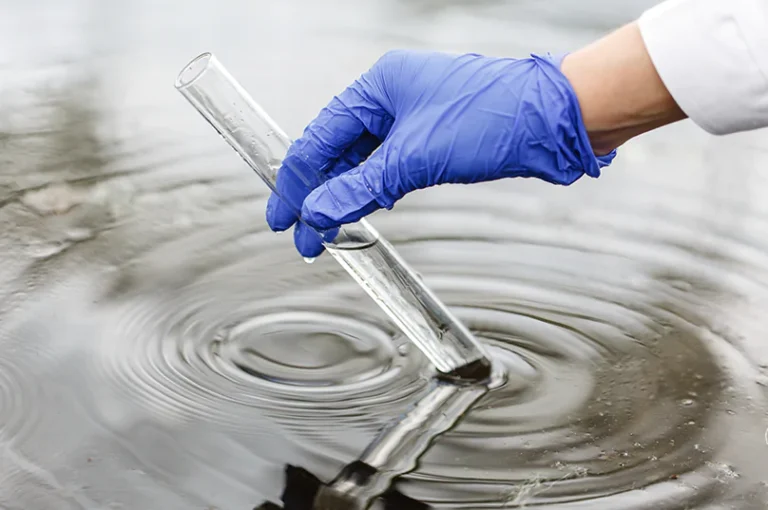
If you have a reason to suspect contamination, testing is the sensible place to begin.
A professional water-quality assessment can help identify what is present and determine whether additional treatment is appropriate.
Nitrates Can Be a Particular Concern for Some Water Sources
Nitrates naturally occur in the environment, but elevated levels can be associated with agricultural activity, fertilizer use, septic systems, and other sources.
For private wells, testing can be especially important because homeowners are generally responsible for understanding and monitoring their own water quality.
If testing identifies elevated nitrates, treatment should be selected specifically for nitrate reduction rather than assuming a standard carbon filter will handle the problem.
This distinction is important. Different contaminants require different treatment technologies, and a filter that works well for chlorine taste may not be designed to reduce nitrates effectively.
When health-related water concerns are involved, rely on appropriate testing and verified treatment claims rather than guesswork.
Private Wells Need Regular Attention
Well water can be perfectly good, but it isn’t automatically consistent.
Groundwater chemistry depends partly on local geology and environmental conditions. Seasonal changes, nearby land use, flooding, and problems with well construction or plumbing can also affect water quality.
Private well owners should have their water tested according to recommendations from appropriate local or public-health authorities, and additional testing may be warranted after events such as flooding or changes in taste, odor, or appearance.
A home filtration system can be helpful, but it doesn’t remove the responsibility to monitor the water.
Think of treatment as one part of the process, not the entire process.
Municipal Water Has Its Own Considerations
City water is treated before reaching your home, which provides an important layer of protection. Still, some households choose additional filtration because they don’t like the taste or want to reduce certain substances.
Disinfectants such as chlorine or chloramine can affect taste and odor. Mineral content can influence how water behaves in the home. Plumbing conditions can also play a role.
If you’re considering filtration for municipal water, check the local water-quality report first. It can provide useful background about the source and treatment process.
Then decide whether your concern is primarily taste, odor, hardness, or something more specific.
Don’t Assume Bigger Means Better
A common misconception is that a larger or more expensive filtration system must provide better water.
Not necessarily.
A system should be sized and selected around actual household needs. If you’re filtering only drinking and cooking water, a point-of-use system may be enough. If you want to address water throughout the property, a whole-home approach may be more appropriate.
Buying more technology than you need can increase installation costs, maintenance requirements, and replacement expenses.
Simple is often better when simple actually solves the problem.
Certification and Performance Claims Matter
When comparing filtration products, look beyond marketing language.
Check whether the system has been independently tested or certified for the contaminant reductions it claims to provide. Look for specific performance information rather than broad phrases such as “pure water” or “advanced purification.”
Also check the expected filter life and replacement requirements.
A system that requires inexpensive, readily available filters may be easier to live with than one whose replacement cartridges are difficult to find.
And remember: certification for one contaminant doesn’t mean certification for every contaminant.
Read the details.
Maintenance Is Part of Water Quality
Even a well-designed filtration system needs routine care.
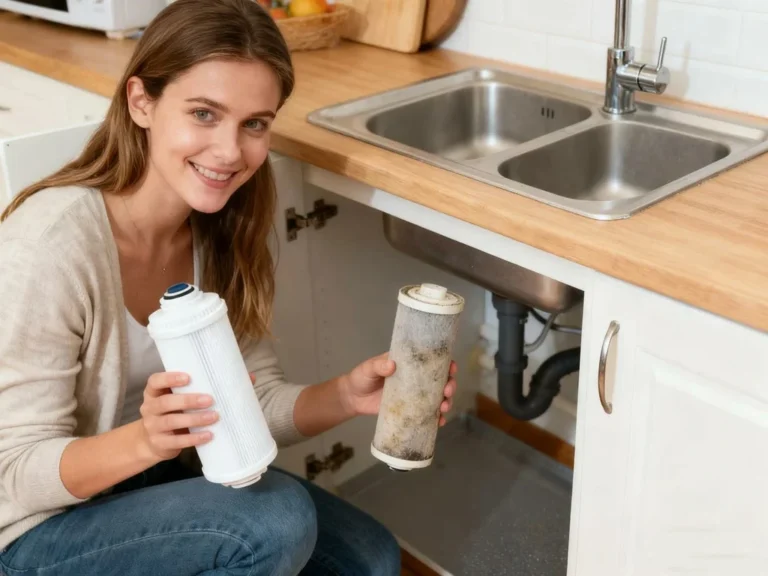
Filters become less effective as they approach the end of their useful life. Some systems also require membrane replacement, sanitization, or periodic inspection.
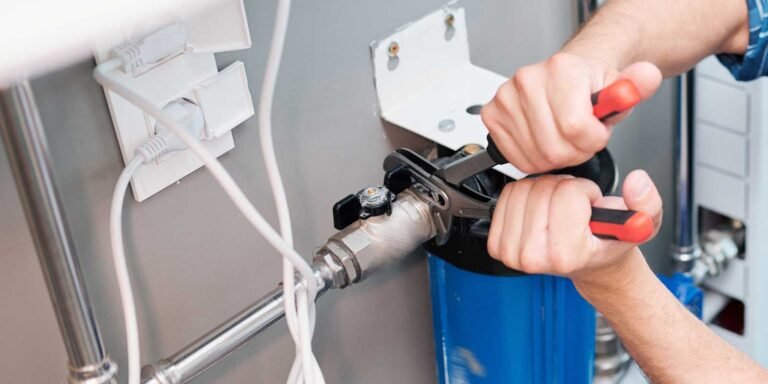
Don’t wait until the water tastes bad before checking the filter. Follow the manufacturer’s instructions and replace components on schedule.
Keep the installation date somewhere easy to find. A note on your phone is enough.
It’s a small habit, but it can prevent the system from quietly operating beyond its intended service life.
When Professional Advice Makes Sense
DIY filtration can work well for straightforward needs, particularly when the water-quality issue is already understood.
Professional help becomes more valuable when testing reveals a specific contaminant, when water conditions are complicated, or when you’re unsure which treatment technology is appropriate.
A qualified water-treatment professional can review test results, explain treatment options, and help determine whether a point-of-use or whole-home system makes more sense.
Don’t hesitate to ask questions. What does the system remove? How often do filters need changing? What happens if the water quality changes? What are the long-term costs?
Good advice should make those answers clearer, not more confusing.
Better Water Starts With Knowing What You’re Solving
Choosing a kitchen water filter doesn’t have to become a research marathon.
Start with your goal. If you’re mainly trying to improve taste, a relatively simple filtration method may do the job. If you’re concerned about a particular contaminant, test first and choose technology specifically designed for that concern.
For private wells, regular testing deserves special attention. For municipal water, the local quality report can provide a useful starting point.
Ultimately, the best filtration system isn’t the one with the longest feature list. It’s the one that addresses your actual water conditions, fits your household, and remains practical to maintain.
When you approach the decision that way, cleaner drinking water becomes less about chasing the latest gadget and more about making a sensible choice. And really, that’s what you want from a kitchen filter: something dependable enough to disappear into the background while you simply enjoy the glass in your hand.