Few things are more annoying than turning on a shower and getting a weak trickle when you’re expecting a proper stream. It’s even worse when someone flushes a toilet or starts a washing machine and the pressure suddenly drops again.
For homes that rely on private wells, inconsistent water pressure isn’t always just a minor inconvenience. It can point toward problems with the pump, pressure tank, plumbing configuration or the way the system was originally designed.
The good news is that a well-water system doesn’t have to be complicated to understand. When the major components are correctly selected, installed and maintained, they can work together quietly for years.
The trick is knowing what each component actually does.
The Basics of a Well Water System
A typical private-well setup needs to move groundwater from the well into the home and deliver it at usable pressure. That involves several components working together rather than one piece of equipment doing everything.
The well pump moves water. The pressure tank helps maintain pressure and reduces unnecessary pump cycling. Plumbing carries water throughout the property, while controls determine when the pump starts and stops.
When these pieces are properly matched, you usually don’t think about them. Turn on a faucet, and water comes out. That’s the goal.
But when one component is poorly sized or starts to fail, the entire system can feel unreliable.
Why Pump and Storage Equipment Matters
Water demand isn’t perfectly consistent throughout the day. You might take a shower in the morning, run the dishwasher later, and then use several faucets at once.
A properly designed combination of pump systems & storage tanks can help manage those changes in demand. Storage capacity provides a reserve of water, while the pump supplies the pressure needed to move water through the plumbing.
The right setup depends on the well’s capacity, household demand, pressure requirements and the physical characteristics of the property.
A larger tank isn’t automatically better, either. The system should be designed around actual needs rather than simply choosing the biggest available component.
Choosing the Right Pump
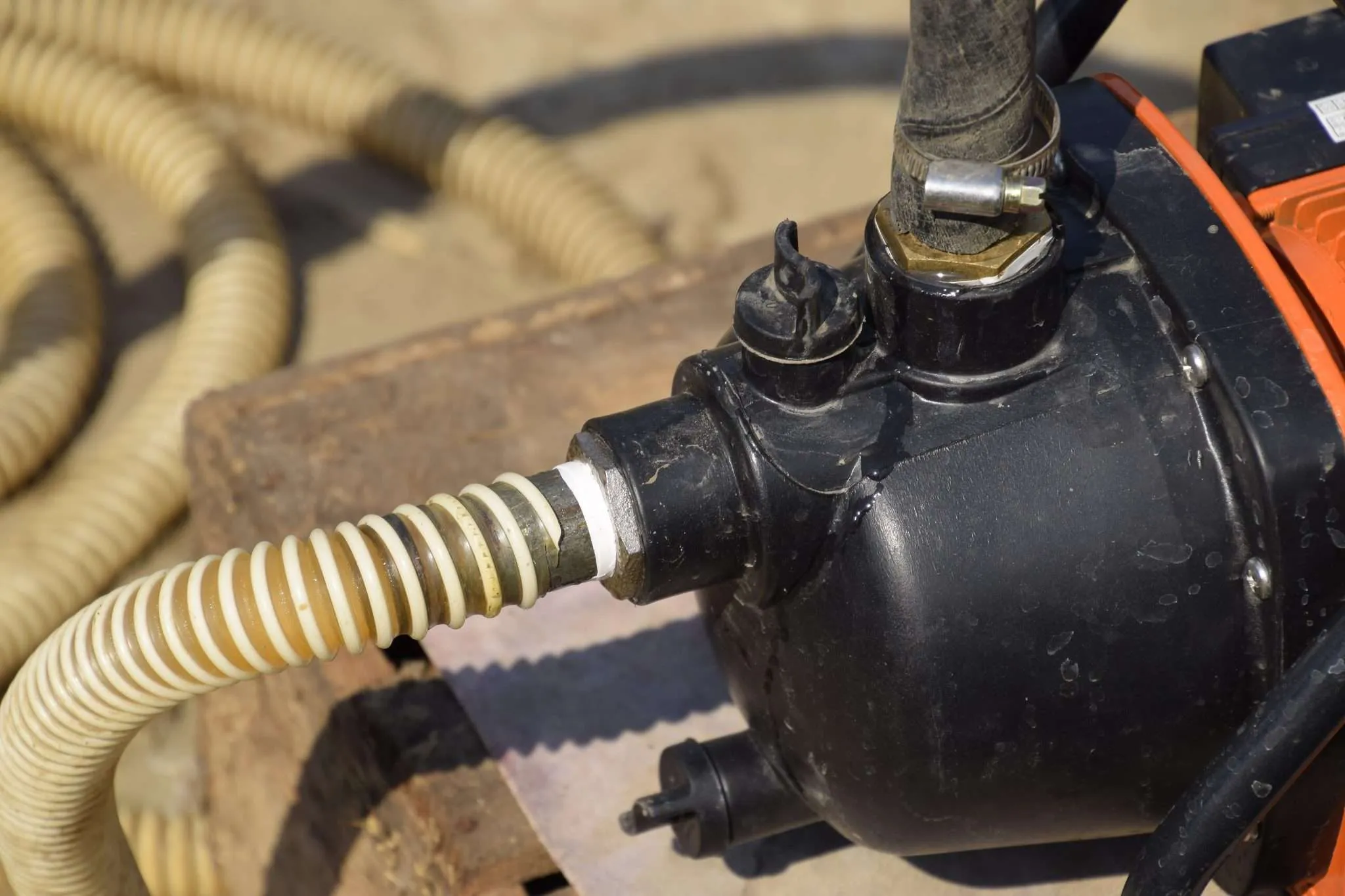
The pump is one of the most important pieces of a private-well system. It has to move enough water while overcoming the depth of the well and the resistance created by pipes, fittings and elevation changes.
A pump that’s too small may struggle to keep up with demand. One that’s unnecessarily large can cycle improperly, use more energy or place additional stress on the system.
Pump selection should therefore consider factors such as well depth, flow rate, pressure requirements and household water usage.
This is an area where professional assessment can be worthwhile. Guessing based on the pump that worked in a neighbor’s house doesn’t account for differences in wells or plumbing.
Installation Is More Than Putting in a Pump
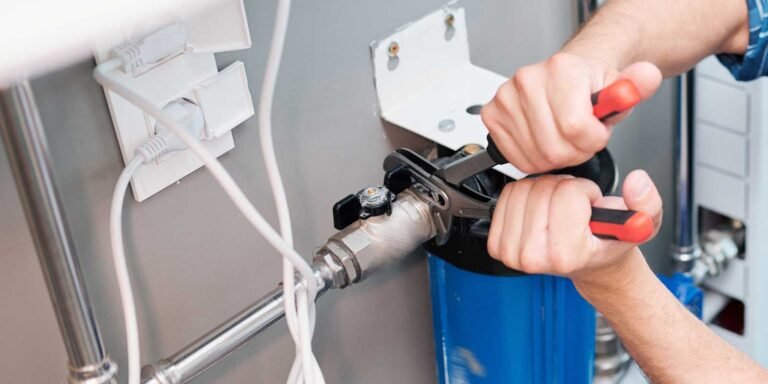
A quality water pump installation involves more than physically placing a pump and connecting a few pipes.
The installer needs to consider electrical requirements, pipe sizing, check valves, controls, pressure settings and how the pump interacts with the rest of the well system.
Proper installation can also help protect the equipment from unnecessary cycling and operating conditions that shorten its lifespan.
If you’re replacing an old pump, it’s useful to look at the whole system rather than automatically installing an identical replacement. Changes in household size, water use or plumbing may mean the original setup no longer makes sense.
The Role of a Pressure Tank
The pressure tank is easy to overlook because it doesn’t appear to be doing much. Yet it’s an important part of maintaining a stable water supply.
When water is drawn from the tank, pressure gradually falls. Once it reaches a predetermined level, the pump starts and restores the supply.
A properly functioning tank can reduce how frequently the pump turns on and off. That’s important because excessive cycling can place unnecessary wear on the pump and controls.
The tank also provides a reserve of pressurized water, allowing smaller water demands to be met without immediately starting the pump.
When Pressure Tank Installation Needs Attention
If the existing tank is damaged, improperly sized or no longer holding pressure correctly, pressure tank installation may be necessary.
A new tank should be selected based on the system’s pressure settings and water demand rather than simply matching the physical dimensions of the old one.
The tank’s air charge also matters. If it’s incorrect, the system may not behave as expected, leading to rapid cycling, pressure fluctuations or reduced usable storage.
These details aren’t particularly exciting, but they’re exactly the sort of small technical factors that determine whether a system feels reliable.
What Low Water Pressure Can Tell You
Low pressure can have several causes, and the solution isn’t always a new pump.
A clogged filter, partially closed valve, damaged pipe or failing pressure switch can all affect water flow. Mineral buildup may restrict older plumbing. The pressure tank may also have lost its proper air charge.
That’s why troubleshooting should come before replacement whenever possible.
If the pressure has gradually declined, that can point toward a different problem than pressure that suddenly disappeared. Paying attention to when and how the problem occurs can give a technician useful information.
Don’t Ignore Rapid Pump Cycling
Rapid cycling happens when the pump starts and stops more frequently than it should. You might notice it when running a faucet or hear the pump repeatedly clicking on and off.
Several issues can contribute to cycling, including pressure tank problems, incorrect settings, leaks or an improperly sized system.
Ignoring the problem isn’t a great idea. Frequent starts and stops can place additional strain on the pump motor and controls.
An inspection can determine whether the issue is mechanical, electrical or related to pressure settings.
Maintenance Keeps the System Predictable
Private-well equipment doesn’t require constant attention, but periodic maintenance is a smart habit.
Have the pump, pressure tank, controls and associated plumbing inspected when appropriate. Keep an eye out for changes in pressure, unusual noises, air in the faucets or unexplained increases in pump activity.
It’s also important to pay attention to the water itself. Changes in taste, color, odor or sediment may indicate a separate water-quality issue that needs testing.
A strong well system isn’t only about pressure. It should deliver water that is both reliable and appropriate for household use.
Plan for the Long Term
When replacing well equipment, think beyond the immediate repair. Consider future household water demand, equipment efficiency, maintenance availability and the expected lifespan of the components.
A system designed properly today should have some room to accommodate normal changes in usage.
And don’t overlook documentation. Knowing the pump model, pressure settings, tank size and installation details can make future service much easier.
Reliable Pressure Shouldn’t Be a Luxury
A dependable well system is one of those household conveniences you only notice when it stops working. Nobody wants to stand under a weak shower wondering whether the pump is about to quit.
The solution isn’t always a bigger pump or larger tank. It starts with understanding the entire system and making sure each component works with the others.
When pumps, tanks, controls and plumbing are properly selected and maintained, water pressure becomes pleasantly boring again.
And honestly, boring is good. When you open the faucet and get the water pressure you expect every single time, you know the system is doing its job.