A water treatment system is one of those home investments you tend to forget about when everything is working properly. You turn on the tap, take a shower, fill the coffee maker, and get on with your day. That’s actually a good thing. Treatment equipment should quietly do its job without demanding much attention.
But “quiet” doesn’t mean maintenance-free.
Like an air conditioner, water heater, or washing machine, treatment equipment needs occasional attention to keep performing properly. Filters become exhausted, components wear down, settings can drift, and mineral buildup can affect performance. Ignoring those little things for too long may turn a manageable maintenance task into a much more expensive repair.
The good news? Keeping your system in good shape is usually pretty straightforward.
Pay Attention to Changes in Your Water
Your water can tell you a lot.
If the water suddenly tastes different, develops an unusual smell, leaves more spots on glasses, or starts producing scale around faucets again, don’t automatically assume the problem is somewhere else. It may be a sign that your treatment equipment needs attention.
Changes in water pressure can also be worth noticing. A reduced flow from a filtered faucet could simply mean a filter is clogged. A softener that seems to have stopped reducing hardness might need salt, cleaning, adjustment, or servicing.
You don’t need to become a plumbing expert. Just get familiar with what your water normally looks, tastes, and feels like. When something changes, you’ll be more likely to catch it early.
Routine Maintenance Is Easier Than Emergency Repairs
Nobody wakes up excited to check a filter or inspect a treatment tank. Still, a few minutes of routine attention can save plenty of hassle.
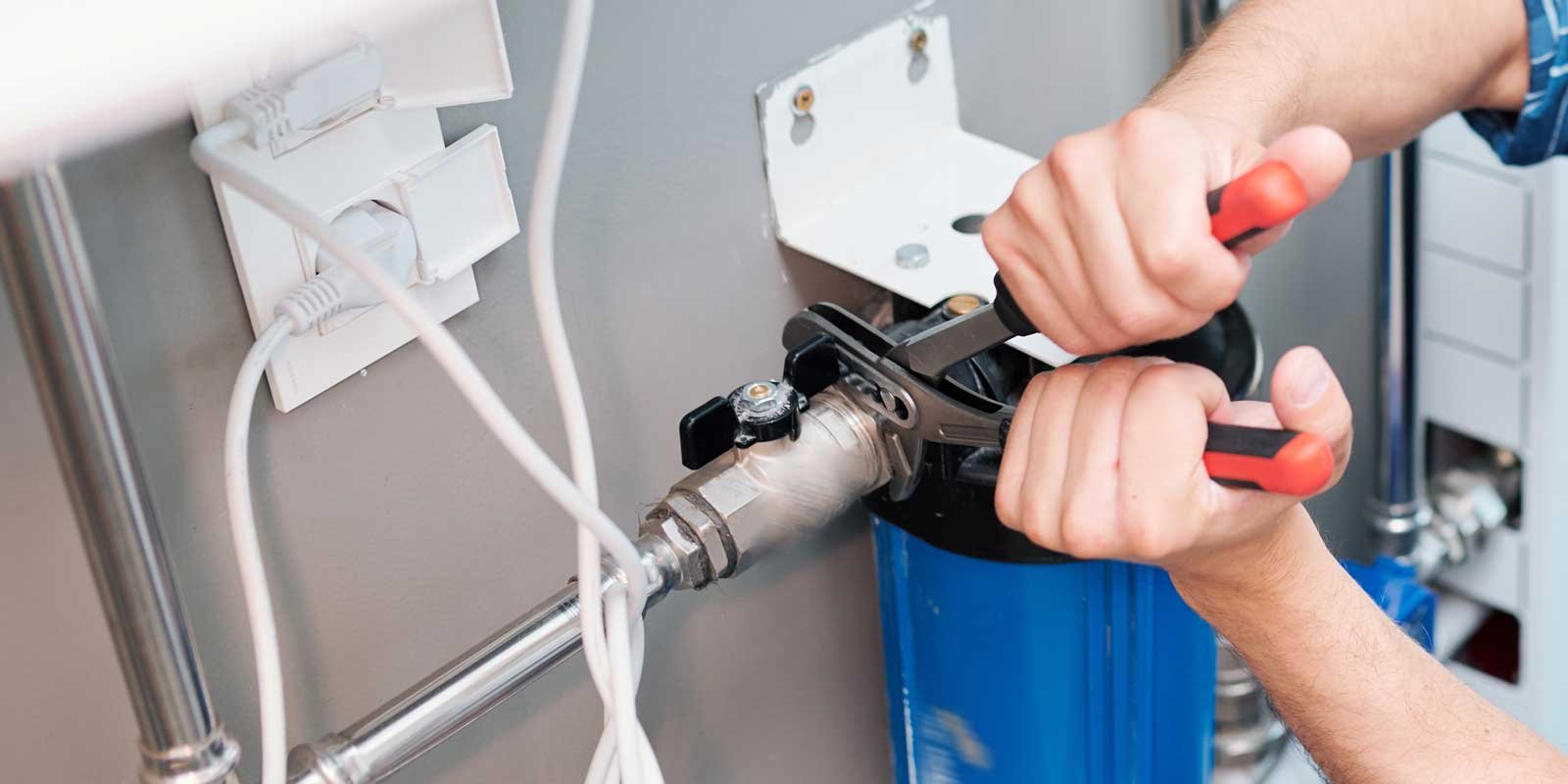
Regular system maintenance & tune-ups can help identify worn components, leaks, clogged filters, incorrect settings, or other issues before they become disruptive. The exact schedule depends on the equipment, water conditions, and manufacturer’s recommendations.
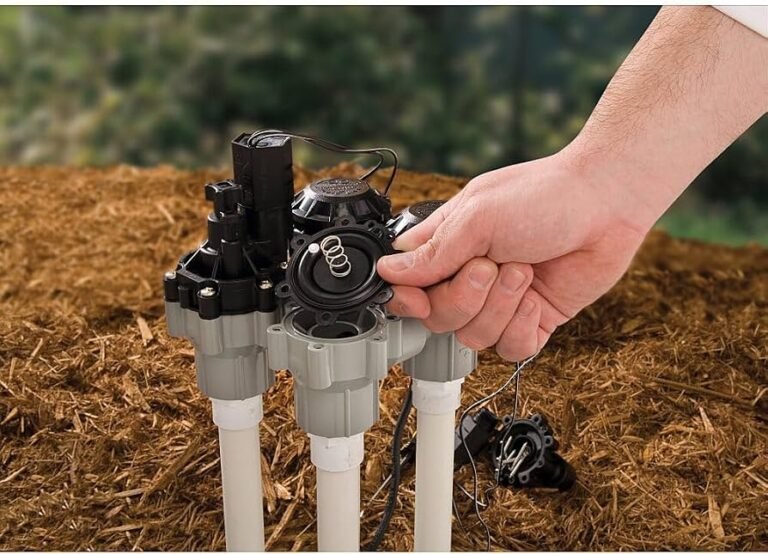
For some systems, filter replacement may be the main task. For others, there may be valves, resin tanks, pumps, controls, or other components that need periodic inspection.
Think of it like changing the oil in a car. You could wait until something goes wrong, but that’s rarely the sensible approach.
Filters Don’t Last Forever
One common mistake homeowners make is assuming that a filter will keep working indefinitely.
It won’t.
Every filter has a useful life, and that lifespan depends on water quality and household usage. A home with several people using large amounts of water may go through filters faster than a small household.
When a filter reaches capacity, its performance can decline. Water flow may slow, taste and odor reduction may become less effective, or contaminants that the filter was designed to reduce may no longer be removed as efficiently.
Rather than waiting for obvious problems, follow the manufacturer’s replacement guidance. If your water conditions are unusual, professional advice can help determine whether the recommended schedule needs adjustment.
Whole-Home Filtration Requires a Different Mindset
Some homeowners prefer to treat only their drinking water. Others want cleaner, treated water throughout the house.
The latter approach is where whole home water filtration systems can become particularly useful. These systems are designed to treat water entering the home rather than limiting filtration to a single faucet.
That can make sense when homeowners want to address water-quality concerns in showers, kitchens, laundry areas, and other points of use.
However, whole-home filtration doesn’t mean every system removes every possible contaminant. Different technologies are designed for different purposes, so the system should be selected according to actual water conditions.
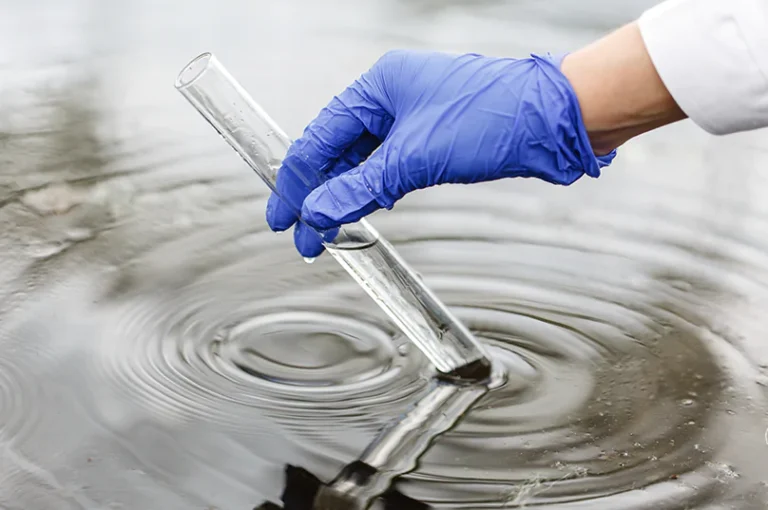
Testing first is still the sensible starting point.
Don’t Ignore Small Leaks
A small leak might not look serious. A few drops around a connection, a damp spot beneath equipment, or occasional moisture on the floor can be easy to dismiss.
It shouldn’t be.
Water treatment equipment is connected directly to your home’s plumbing. A loose fitting or worn seal can gradually create a larger problem.
Check around the system occasionally for moisture. If you notice water where it shouldn’t be, shut off the appropriate water supply if necessary and have the issue inspected.
Catching a leak early is much easier than dealing with damaged flooring, cabinetry, drywall, or other household materials.
When Repairs Are Necessary
Maintenance can prevent many problems, but it can’t prevent everything.
Eventually, parts wear out. Electronic controls can fail. Valves may stop working correctly. Pumps can develop issues. Tanks and connections can also require attention after years of use.
When that happens, system repairs may be more practical than replacing the entire unit.
A qualified technician can evaluate the equipment and determine whether the issue is a replaceable component, a settings problem, or a sign that the system has reached the end of its useful life.
This is one reason it helps to keep basic records. Knowing when the system was installed, what parts have been replaced, and when filters were changed gives a technician useful background information.
Know When Replacement Makes More Sense
Repairing equipment isn’t always the right answer.
If a system is very old, repeatedly breaking down, inefficient, or no longer capable of handling your household’s needs, replacement may make more sense financially.
Technology also changes. Newer systems may offer improved efficiency, smarter controls, better regeneration management, or easier maintenance.
But don’t replace equipment simply because something newer exists. If the current system works well and its operating costs are reasonable, keeping it properly maintained may be perfectly sensible.
The decision should come down to performance, condition, operating costs, and your current water-treatment needs.
Keep the Equipment Area Clean and Accessible
This sounds almost too simple, but it matters.
Don’t bury your treatment equipment behind boxes, cleaning supplies, or holiday decorations. Leave enough room for someone to inspect and service it.
Keeping the surrounding area clean also makes leaks easier to spot. If everything is covered in clutter, a small drip can go unnoticed for weeks.
A clear equipment area is better for homeowners and technicians alike.
Don’t Forget About Changing Household Needs
Your water treatment requirements aren’t necessarily fixed forever.
Maybe your family grows. Perhaps you add another bathroom, start working from home, or begin using more water. You might also move from municipal water to a private well or notice changes in the incoming supply.
When your circumstances change, it’s worth reassessing the system.
A treatment setup that was perfectly sized five years ago may not be ideal today. Sometimes all that’s needed is a settings adjustment. Other times, additional treatment or a different capacity may be appropriate.
A Little Attention Goes a Long Way
Water treatment equipment doesn’t need constant babysitting. It does, however, benefit from sensible care.
Watch for changes in water quality