Water can look exactly the same from one home to another while behaving completely differently once it comes out of the faucet. One household may struggle with chalky buildup and dry-feeling skin. Another may notice sediment, staining, or a strange smell. Somewhere else, the water tastes perfectly fine but still contains characteristics worth testing.
That’s why choosing a water treatment system shouldn’t start with a product brochure.
It should start with the water itself.
Understanding where your household water comes from, what is in it, and how you use it can make the search for the right treatment system much less confusing. You don’t necessarily need the biggest or most expensive setup. You need one that solves the problems you actually have.
The Water Source Sets the Stage
A home’s water source has a major influence on its quality. Municipal supplies are treated and monitored before reaching customers, while private sources can have very different characteristics depending on local geology and conditions.
Municipal water may contain disinfectants used during treatment, naturally occurring minerals, and other substances that affect taste or household plumbing. The water may meet applicable safety requirements while still having characteristics that homeowners would prefer to improve.
This is an important distinction. “Safe to drink” and “pleasant to drink” aren’t always the same thing.
A homeowner may want additional filtration simply because the water tastes strongly of chlorine or because certain minerals create annoying deposits. Treatment can be about comfort and convenience as much as anything else.
Rural Water Can Bring Different Challenges
Homes outside larger cities may receive water from private wells or other local supplies. Rural water can vary considerably from one property to the next, particularly when groundwater is involved.
Well depth, surrounding soil and rock, groundwater movement, and the condition of the well can all influence water characteristics. Iron, manganese, hardness minerals, sediment, and sulfur-related odors are among the concerns that may occur in some areas.
This is why copying a neighbor’s treatment setup isn’t always a great idea.
Even if two homes are only a short drive apart, their water may require completely different treatment. A water test can reveal those differences before you spend money on equipment.
Testing Is the Best Place to Begin
It’s tempting to shop first and test later. After all, water treatment advertisements make the equipment look pretty convincing.
But testing first is usually the more sensible route.
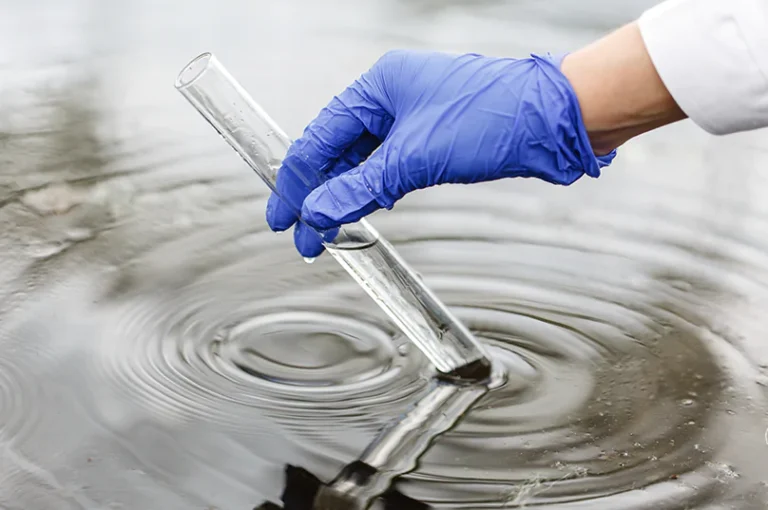
A quality water analysis can identify hardness, iron, manganese, pH, dissolved solids, and other characteristics. Depending on the source and circumstances, additional testing may be recommended for specific contaminants.
The results help determine what treatment is actually needed.
For example, a sediment filter may be useful when particles are present, while hardness usually requires a different technology. Taste and odor concerns may call for another approach altogether.
The basic rule is simple: don’t ask a filter to solve a problem it wasn’t designed to handle.
Hard Water Is a Common Household Nuisance
Hard water isn’t necessarily something you notice immediately. It tends to announce itself gradually.
A white ring develops around the faucet. Shower glass becomes covered with spots. Soap seems harder to rinse away. The dishwasher leaves mineral marks on glasses. Eventually, you’re standing in the bathroom with a bottle of cleaner wondering how the scale got that bad.
Hardness comes primarily from dissolved calcium and magnesium.
A properly selected softening system can reduce these minerals and help control scale throughout the home. In homes with significant hardness, treatment can also make cleaning easier and help protect certain water-using appliances from mineral buildup.
But again, testing matters. Not every mineral-related problem is simply a hardness problem.
Filtration and Softening Are Different Jobs
This is one of the most useful distinctions to understand when researching water treatment.
Filtration generally refers to processes designed to remove or reduce particles or particular substances. Softening specifically targets hardness minerals.
That means water softeners and filters can sometimes work together, with each component addressing a different concern.
For example, a household might use sediment filtration to protect downstream equipment while using a softener to reduce hardness. Another home might need carbon filtration for taste and odor while using separate treatment for minerals.
The goal isn’t to collect equipment. It’s to give each water-quality issue an appropriate solution.
Drinking Water May Need Additional Treatment
Whole-house treatment isn’t always necessary for drinking-water concerns.
If the household water is generally acceptable for bathing and cleaning but you want additional treatment for water you consume, a point-of-use system can be practical.
Under-sink filtration and reverse osmosis systems are common examples. These systems concentrate treatment at a kitchen faucet, meaning you’re not necessarily treating water used for toilets, outdoor irrigation, or other purposes.
This can make sense from both a practical and financial perspective.
On the other hand, if your water-quality concerns affect every faucet in the house, a whole-house approach may be more appropriate.
Think About How Your Household Uses Water
Water treatment needs aren’t identical for every family.
A couple living in a small home may use considerably less water than a household with several children. Morning showers, laundry, dishwashing, cooking, and other daily activities all contribute to demand.
When choosing equipment, look beyond the treatment technology and consider flow rate and capacity.
A system that performs well under light demand may struggle if several fixtures are running simultaneously. Proper sizing helps prevent those frustrations.
It’s not the most exciting part of shopping for water treatment, but it matters.
Maintenance Should Be Easy Enough to Actually Do
Even the best system needs maintenance.
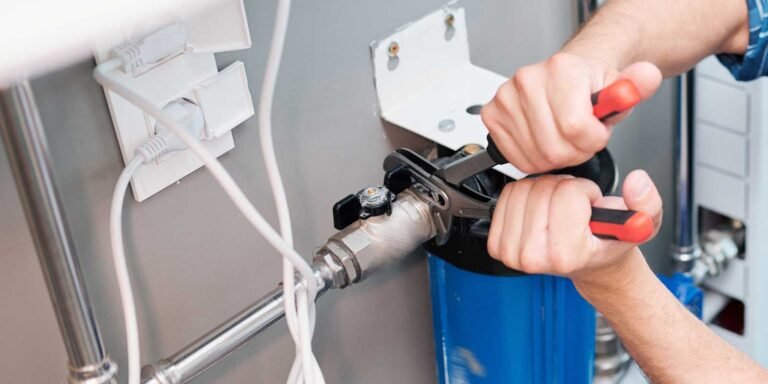
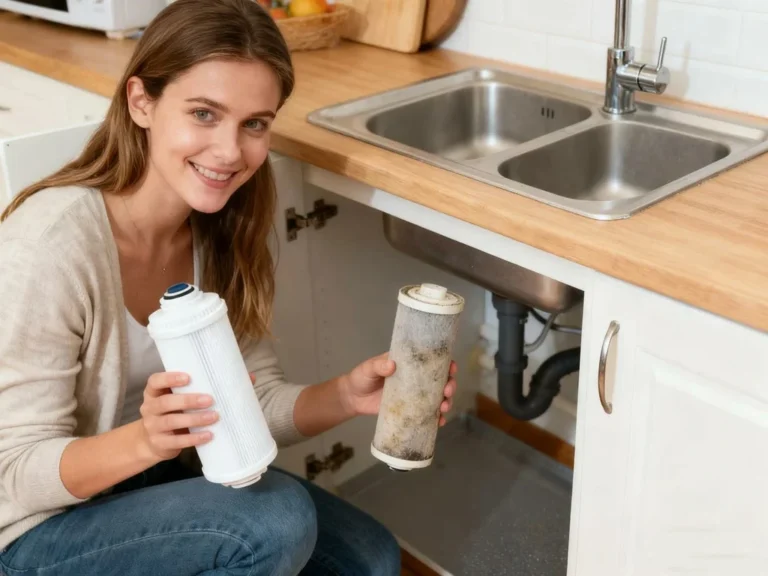
Filters need replacement. Some systems require salt. Other treatment media may need servicing or replacement. Tanks, valves, connections, and other components should also be inspected as recommended.
If maintenance is complicated, people tend to postpone it. That’s just human nature.
Choose equipment that fits your willingness and ability to maintain it. Make sure replacement parts are available and that you understand the expected service schedule before installation.
A treatment system that sits untouched for years isn’t going to perform as well as one that’s properly cared for.
Don’t Let Marketing Make the Decision
Words like “advanced,” “premium,” and “maximum protection” can make any water treatment system sound irresistible.
But marketing doesn’t replace water analysis.
Ask specific questions. What does the system reduce? Under what conditions? How much water can it treat? What maintenance does it require? What are the ongoing costs?
A reputable provider should explain the answers without making the conversation feel like a sales contest.
You should understand why a system is being recommended and what it is expected to accomplish.
Think About the Long-Term Picture
The initial equipment price is only part of the cost.
Consider installation, replacement filters, maintenance, electricity if required, salt or other consumables, and potential service calls. A system that costs slightly more upfront might be a better value if it is easier to maintain and has readily available replacement components.
Likewise, a complicated system isn’t automatically a better investment.
Buy for your water conditions and household needs, not for the longest feature list.
Better Treatment Begins With Better Understanding
Water treatment doesn’t have to be mysterious. Once you understand your water source and identify the actual problems, most of the decision becomes much clearer.
Start with testing. Consider whether the concern affects drinking water, the entire plumbing system, or both. Then choose technology designed for those specific conditions.
Whether your home receives water from a municipal supply, a rural system, or a private well, the same principle applies: know your water before you treat it.
That approach can help you avoid unnecessary equipment, reduce long-term costs, and get better results from whatever system you choose.
In the end, good water treatment isn’t about having the fanciest setup in the neighborhood. It’s about turning on the faucet and knowing the water coming out is being treated in a way that makes sense for your home.
Simple, practical, and dependable. That’s a pretty good standard for something you use every single day.