There’s something oddly satisfying about filling a glass straight from the kitchen faucet. No plastic bottle to open, no trip to the refrigerator, no second-guessing whether the water tastes right. But when that familiar glass starts tasting different, the simple act of getting a drink can suddenly become a small source of doubt.
Maybe the water has a chlorine-like taste. Perhaps there’s a faint metallic note. Or maybe nothing seems wrong at all, but you still want an additional layer of filtration for the water your family drinks and cooks with.
That’s where point-of-use filtration can make sense. Instead of treating every gallon that enters the house, a kitchen system focuses on the water you actually consume. It can be a practical solution, especially when your primary concern is drinking water rather than the entire household supply.
Why Kitchen Filtration Is Worth Considering
Most homes use far more water for showers, laundry, toilets, and cleaning than they do for drinking. Treating the entire supply isn’t always necessary if your main goal is better water at the kitchen faucet.
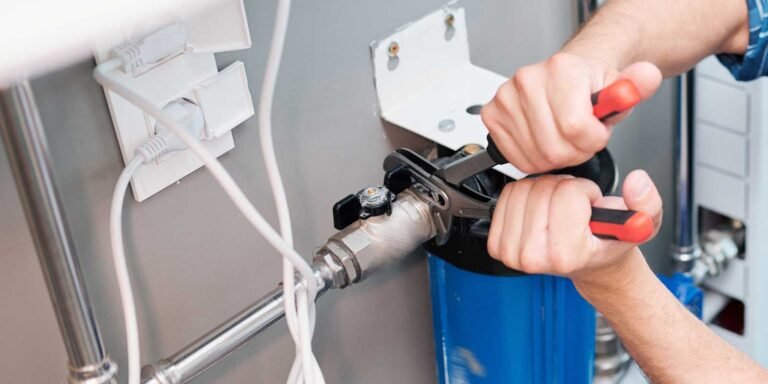
An under-sink filtration system sits inside the cabinet beneath the faucet and treats water as it’s delivered for drinking or cooking. Because the equipment is tucked away, it doesn’t take up valuable counter space.
For many households, that balance is appealing. You get treated water where it matters without turning the kitchen into a collection of visible equipment.
Start by Understanding Your Water
Before choosing a filter, it’s worth understanding what’s actually in the water.
Municipal water supplies are treated and monitored, but characteristics can still vary between communities. Private wells have their own set of considerations, including naturally occurring minerals, sediment, metals, and other substances.
Taste and odor can offer clues, but they’re not enough to identify every potential concern. Some contaminants cannot be detected by sight, smell, or taste.
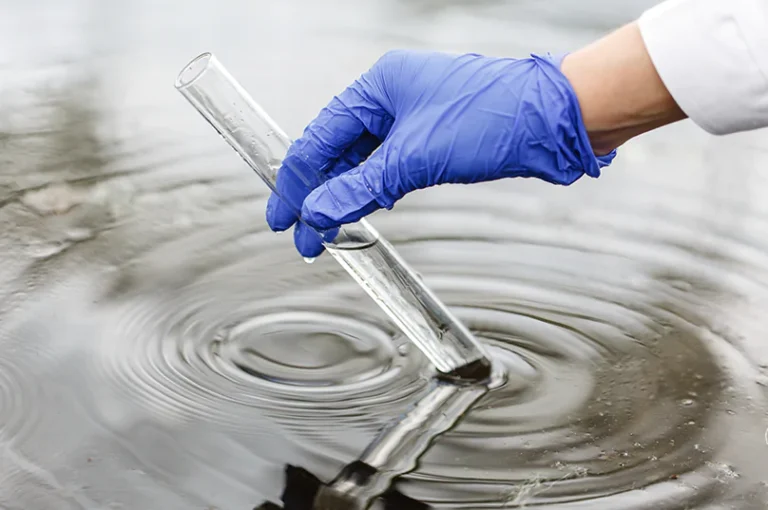
A water test can therefore be a useful starting point, particularly if you’re concerned about a specific substance. Once you know what you’re trying to reduce, choosing an appropriate treatment method becomes much easier.
Not Every Filter Does the Same Job
This is probably the most important thing to understand before buying a filtration system.
Filters are designed for specific purposes. Activated carbon, for example, is commonly used to reduce certain chlorine-related tastes and odors. Sediment filters target suspended particles. Reverse osmosis systems can reduce many dissolved substances through membrane filtration.
A filter that improves taste isn’t necessarily designed to reduce every contaminant in the water.
So when comparing products, don’t focus only on phrases such as “advanced filtration” or “multi-stage purification.” Look at what the system is specifically designed and certified to reduce.
That small bit of research can save you from an expensive disappointment.
Understanding Dissolved Solids
Another term homeowners may encounter is total dissolved solids, often shortened to TDS.
Dissolved solids are substances present in water in dissolved form. They can include minerals and salts, among other substances. A TDS measurement can provide useful information about the overall amount of dissolved material, but it doesn’t identify exactly what those substances are.
That’s an important distinction.
A high TDS reading doesn’t automatically mean water is unsafe, and a low reading doesn’t guarantee that every possible concern has been addressed. TDS is one piece of information, not a complete water-quality assessment.
If you’re considering reverse osmosis, TDS can still be useful for understanding the water entering and leaving the system.
Carbon Filtration Has a Simple Strength
Activated carbon has been used in water filtration for a long time, and there’s a good reason for its popularity.
It can improve taste and odor by reducing certain chemicals and organic compounds. For homeowners who mainly dislike the flavor or smell of treated municipal water, a carbon filter may provide a noticeable improvement.
The important word is “may.” Performance depends on the filter media, contact time, flow rate, and the substances present.
A carbon filter shouldn’t be treated as a universal solution, especially when testing has identified a specific contaminant that requires a different technology.
When Reverse Osmosis May Be Appropriate
Reverse osmosis takes filtration a step further by using pressure to move water through a semipermeable membrane.
The process can reduce many dissolved substances, making it useful when homeowners want more extensive treatment for drinking and cooking water.
However, reverse osmosis systems typically require prefiltration and regular maintenance. They may also produce wastewater during operation, although system efficiency varies considerably by design.
If you’re considering one, look beyond the price tag. Ask about membrane life, filter replacement, water efficiency, required pressure, and installation requirements.
Capacity Matters More Than You Might Think
A filter doesn’t last forever, and its lifespan isn’t determined by time alone.
Household water consumption plays a major role. A family that fills several bottles every day and cooks frequently will use more treated water than someone living alone.
Water quality also matters. Higher levels of sediment or certain substances can shorten filter life.
That’s why manufacturers often provide estimated capacities rather than promising that every filter will last exactly the same number of months.
Treat those estimates as a guide, not a guarantee.
Maintenance Keeps Water Flowing
One of the easiest mistakes is forgetting about filter replacement.
As filtration media becomes loaded, water flow can decline. Depending on the system, performance may also change as the filter approaches the end of its useful life.
Set a reminder on your phone or calendar. It’s a tiny habit that can prevent a surprisingly annoying problem later.
Also pay attention to changes in taste, odor, and pressure. If something suddenly feels different, investigate instead of assuming the system is still working perfectly.
Don’t Let the Kitchen Cabinet Become a Puzzle
Under-sink systems are convenient, but space can be tight.
Measure the available cabinet area before installation and consider where replacement filters will go. Leave enough room to remove housings or cartridges without dismantling the plumbing.
This sounds like a minor detail until you’re crouched beneath the sink with a flashlight, trying to reach a filter that was installed two inches too close to the cabinet wall.
Good planning makes maintenance much easier.
Point-of-Use Filtration Can Be a Smart Middle Ground
Not every household needs whole-home purification.
If your primary goal is better drinking and cooking water, a kitchen filtration system can offer targeted treatment without the cost and complexity of treating the entire property.
On the other hand, if you’re dealing with hard water, iron staining, sediment, or other problems throughout the house, a point-of-use system won’t address those issues at showers, appliances, or bathroom faucets.
The treatment area should match the problem.
Make the Decision Based on Evidence
It’s easy to get caught up in product features. More stages, bigger cartridges, fancy indicators, and impressive claims can make one system look much better than another.
But water treatment isn’t a technology competition.
Start with your water. Identify your concern. Determine which treatment methods are appropriate. Then compare systems based on performance, capacity, maintenance, certification, installation, and long-term cost.
A simple system that solves the right problem is far more valuable than an expensive system that doesn’t.
Cleaner Water Starts With the Right Approach
The kitchen faucet may be small, but the water coming through it matters. It’s what you drink, cook with, put into your coffee maker, and serve to your family.
Point-of-use filtration can be a practical way to improve that water without treating the entire home. But the best results come from making an informed choice.
Test when necessary. Understand what different filters actually remove. Pay attention to capacity and maintenance, and don’t overlook the realities of installation.
Most importantly, don’t buy based on fear or flashy promises.
Choose treatment because you understand your water and know what you want the system to accomplish. When those two things line up, getting cleaner, better-tasting water from the kitchen tap becomes a much simpler decision.