Water quality is one of those things businesses often overlook until it becomes a problem. A restaurant may notice scale building up around faucets. A hotel might start dealing with dull-looking fixtures or inconsistent water pressure. In a café, the coffee suddenly tastes different, and nobody can quite figure out why. These issues can seem small at first, but over time they can affect equipment, operating costs, customer experience, and even day-to-day productivity.
The good news is that commercial water treatment doesn’t have to be complicated. The right setup starts with understanding what is actually in the water and what your business needs it to do.
Start With the Water, Not the Equipment
It’s tempting to begin by comparing systems, capacities, brands, and price tags. That’s usually backwards.
Before choosing treatment equipment, it helps to understand the source water. Municipal water can contain minerals, chlorine, sediment, and other substances that vary by location and season. Well water may bring additional challenges such as iron, hardness, or unpleasant odors.
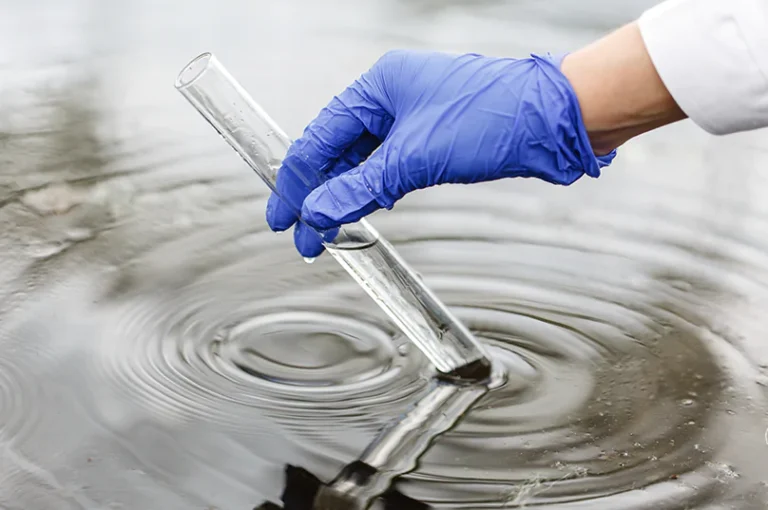
Testing gives you a clearer picture. Once you know what you’re dealing with, you can select treatment based on an actual problem instead of buying equipment simply because it sounds impressive.
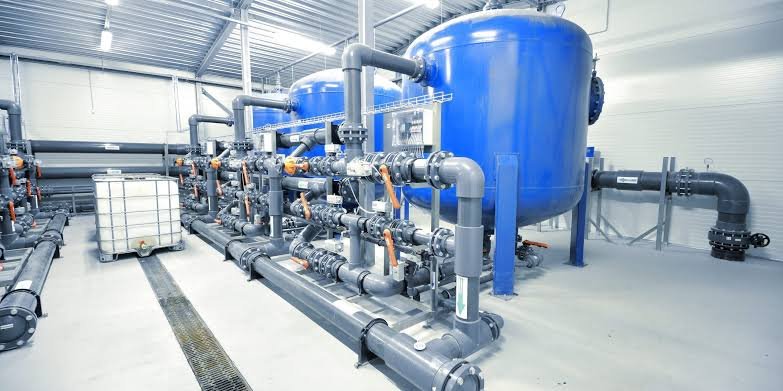
For facilities with heavy water use, commercial water softeners can be particularly useful when hardness is the main concern. Hard water contains calcium and magnesium that can form scale inside pipes, water heaters, boilers, dishwashers, and other equipment. Removing or reducing those minerals can help protect expensive systems and reduce the frequency of cleaning and maintenance.
Think About How Your Business Uses Water
Not every commercial building needs the same kind of treatment.
A small office might mainly care about drinking water and basic taste. A restaurant has a much wider range of concerns. Water may be used for cooking, making beverages, washing dishes, producing ice, and cleaning. A hotel has showers, laundry equipment, kitchens, guest drinking stations, and mechanical systems to consider.
That’s why a one-size-fits-all approach rarely makes sense.
Instead, map out where water enters the facility and where it goes. Which equipment uses the most? Which applications are most sensitive to minerals or sediment? Are there areas where water quality directly affects the product you sell?
This simple exercise can reveal where treatment matters most.
Filtration Helps With More Than Appearance
Water filtration is often associated with removing visible particles, but the right filter can do much more. Depending on the technology used, filtration can reduce sediment, chlorine, certain contaminants, unpleasant tastes, and odors.
For businesses serving food and beverages, that can make a noticeable difference. Water is an ingredient in more products than people realize. Coffee, tea, soups, fountain drinks, sauces, and ice all depend on water quality.
Well-selected commercial water filters can also help protect downstream equipment by reducing particles before they reach sensitive components. That doesn’t mean every filter removes every contaminant, though. Filtration technology needs to match the specific water issue.
A sediment filter, carbon filter, softener, and reverse osmosis system all serve different purposes. Knowing that difference is important.
Don’t Forget About Ice
Ice is sometimes treated as an afterthought, even though customers consume it directly.
Restaurants, hotels, hospitals, cafés, convenience stores, and bars can go through an enormous amount of ice. If untreated water contains excessive minerals, chlorine, or sediment, the quality of that ice can suffer. You may notice cloudy cubes, odd flavors, faster equipment buildup, or more frequent cleaning requirements.
That’s where ice machine filtration deserves special attention. A properly selected filtration system can help provide cleaner-tasting ice while supporting the performance of the machine itself.
Of course, filtration doesn’t eliminate the need for regular sanitation. Ice machines still require cleaning according to manufacturer recommendations and appropriate food-safety practices. Filtration and maintenance work together; neither one replaces the other.
Consider Flow Rate and Peak Demand
A treatment system that works beautifully in a small office may struggle badly in a busy commercial kitchen.
Flow rate matters. So does peak demand.
Think about what happens during your busiest period. Several sinks may be running. A dishwasher is filling. Employees are using water stations. An ice machine is operating. Restrooms are busy. If the treatment system can’t keep up, pressure drops and performance suffers.
Sizing should therefore be based on real usage patterns, not just average daily consumption.
It’s worth discussing peak flow, available installation space, inlet pressure, water temperature, and the facility’s operating schedule with a qualified water-treatment professional. A little planning here can prevent a surprisingly expensive mistake later.
Maintenance Is Part of the Investment
Even the best water treatment equipment needs attention.
Filters need replacement. Brine tanks and softeners may need servicing. Connections should be inspected. Some systems require periodic sanitation or performance checks. If maintenance is ignored, the equipment may gradually become less effective without anyone noticing.
Commercial operators should have a clear maintenance schedule and know which components need attention and how often.
Keep records, too. It sounds mundane, but a simple log can help identify recurring issues and show when filters or other components were last serviced. If water quality changes unexpectedly, those records can be surprisingly helpful.
Look at the Long-Term Cost
The cheapest system isn’t always the most affordable choice.
Initial equipment cost is only one part of the equation. Consider filter replacement, salt or consumables, electricity, water waste, labor, service visits, and potential equipment repairs.
There’s also the cost of doing nothing.
Scale inside a water heater or commercial dishwasher can reduce efficiency. Poor-quality water can affect beverage consistency. Frequent equipment cleaning takes staff time. Unexpected breakdowns can interrupt operations when the business is already busy.
A good treatment system should be evaluated as a long-term operating investment, not simply another purchase.
Professional Installation Can Prevent Problems
Installation details matter more than they may appear.
Incorrect sizing, poor plumbing connections, inadequate drainage, unsuitable pressure conditions, or insufficient clearance can all create problems. Commercial systems also need to fit into the physical realities of the building. Sometimes the best equipment on paper simply isn’t practical for the available space.
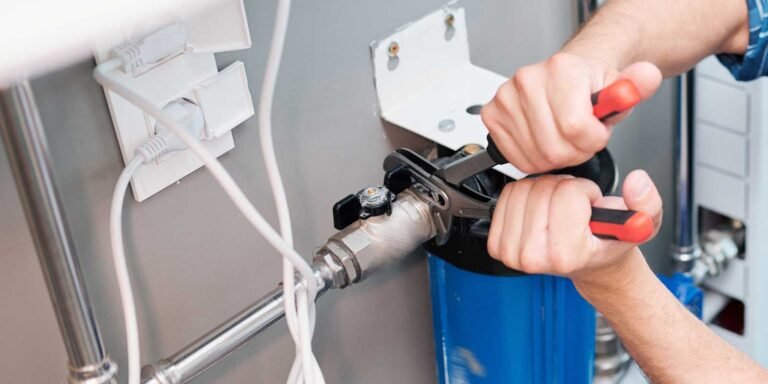
Professional installation helps ensure the system is configured for the facility and its intended use. It also gives the business an opportunity to ask questions about operation, maintenance, and future servicing.
That guidance can be valuable, especially for companies that don’t have an in-house water-treatment specialist.
Make Water Quality Part of Your Maintenance Strategy
Water treatment shouldn’t be something you think about only after equipment starts failing.
A better approach is preventive. Test the water periodically, monitor treatment equipment, replace consumables on schedule, and pay attention to small changes in taste, pressure, appearance, or equipment performance. Those early warning signs can tell you something is changing before it turns into a major headache.
Most importantly, choose treatment based on the actual needs of the facility. A busy restaurant, manufacturing plant, hotel, medical facility, and office building may all use a lot of water, but their treatment goals can be completely different.
Good water treatment is rarely about installing the biggest system available. It’s about finding the right balance between water quality, equipment protection, operating demands, maintenance, and cost.
When those pieces line up, the result is something every commercial business wants: water that simply works, day after day, without constantly demanding attention.