Water should be one of the simplest parts of daily life. Fill a glass, turn on the tap, take a shower. Yet small changes in water quality can make these ordinary routines feel less pleasant. A strange taste, an unfamiliar smell, or tiny particles floating in a glass may leave homeowners wondering whether their water needs treatment.
One of the most common approaches to improving household water is carbon filtration. It has been used for years in residential systems because it can address several common concerns without making the process overly complicated. Still, understanding what carbon can and cannot do is important before choosing a filter.
Why Tap Water Can Have an Unpleasant Taste
Municipal water is often disinfected to help control harmful microorganisms as it travels through the distribution system. Chlorine is commonly used for this purpose. While it plays an important role in water treatment, some people notice its taste or smell, especially when drinking water directly from the tap.
The intensity can vary depending on the water source, treatment practices, plumbing, and even the temperature of the water. A glass of chilled water may taste different from water that has been sitting in a warm kitchen. In some homes, older plumbing can also influence the overall experience.
When homeowners complain about chlorine taste and odor, they are often looking for a way to make drinking water more enjoyable. Carbon filtration is one option that may help reduce these sensory concerns, depending on the filter’s design and condition.
How Activated Carbon Works
Activated carbon is a porous material with a large surface area. During filtration, certain substances interact with the carbon and become trapped or adsorbed onto its surface. This process is different from simply straining particles out of water.
Carbon filters are commonly used to reduce chlorine and improve taste and odor. Some specialized carbon products may also help reduce certain organic chemicals and other substances, but performance depends on the media, contact time, flow rate, and contaminant involved.
Not all carbon filters are identical. Their effectiveness depends on how they are manufactured, how much carbon they contain, and whether the system has been tested for the specific reduction claims being made. A low-cost filter and a professionally designed treatment unit may perform very differently.
The Importance of Sediment Pre-Filtration
Before water reaches a carbon filter, it may contain particles such as sand, silt, rust, or other suspended material. These particles can interfere with filtration and shorten the life of the carbon cartridge.
A sediment pre-filter is often used to capture larger particles before water reaches the carbon stage. This can help protect the carbon media and improve the overall performance of a multi-stage system. The right sediment filter depends on particle size, water pressure, and the amount of material present.
Sediment filtration and carbon filtration serve different purposes. A sediment filter is designed primarily to capture physical particles, while carbon is commonly used for taste, odor, and certain chemical-reduction applications. Neither should automatically be treated as a complete solution for every water-quality issue.
Why Coconut-Shell Carbon Is Commonly Used
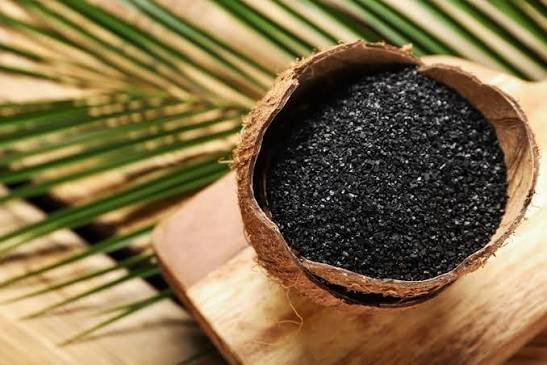
Carbon can be produced from several raw materials, including wood, coal, and coconut shells. Each type can have different characteristics depending on how it is processed and activated.
Coconut-shell carbon is widely used in water filtration because it can provide a useful pore structure and a high surface area. It is especially common in activated carbon products designed for drinking-water applications and taste-and-odor improvement.
However, the phrase “coconut-shell carbon” alone doesn’t guarantee superior performance. The quality of the activation process, carbon quantity, filter design, and certification all matter. A well-designed system should be evaluated based on its tested performance rather than the raw material alone.
Choosing Between a Faucet Filter and a Whole-Home System
The right carbon filtration setup depends on where the water concern occurs. If the main goal is improving drinking water in the kitchen, a faucet-mounted filter, countertop unit, or under-sink system may be sufficient.
A whole-home carbon filter, on the other hand, treats water entering the property. This can be useful when chlorine taste or odor is noticeable at multiple faucets, or when homeowners want filtered water for showers and other household uses.
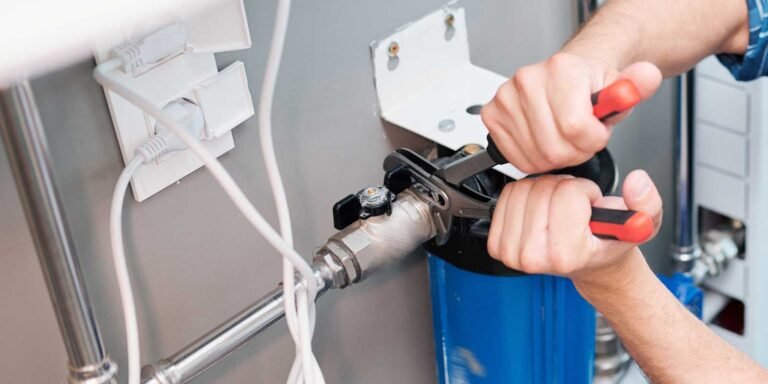
Whole-home systems require careful sizing. If water moves through the carbon media too quickly, there may not be enough contact time for effective treatment. Flow rate, household demand, filter capacity, and replacement schedules should all be considered before installation.
What Carbon Filtration Does Not Remove
Carbon filtration is useful, but it has limits. Standard activated carbon filters are not designed to remove every contaminant. They may not adequately address hardness minerals, dissolved salts, nitrates, or microbiological contamination unless the system includes additional treatment technologies specifically designed for those concerns.
For example, a carbon filter may improve the taste of water while leaving hard-water scale unchanged. If a home has iron staining, sulfur odors, or bacterial concerns, a different or additional treatment approach may be necessary.
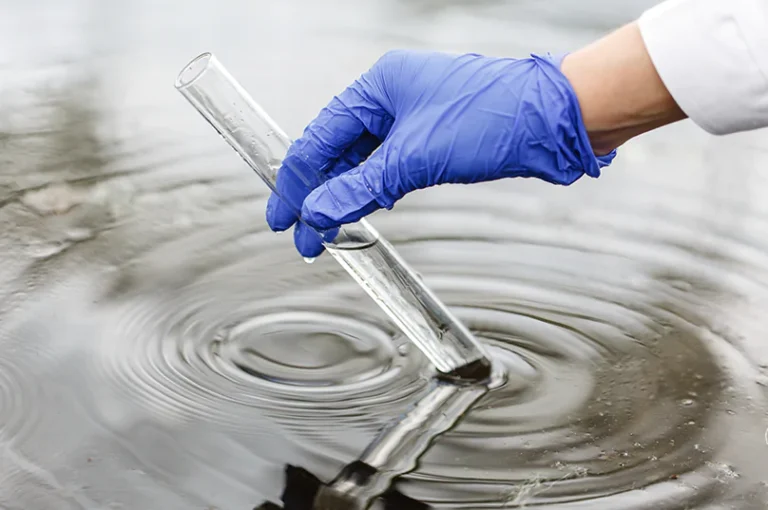
This is why water testing can be valuable, particularly for private well owners. Testing helps identify whether the concern is primarily aesthetic or whether it involves a substance requiring a more specialized solution.
Maintenance Makes a Real Difference
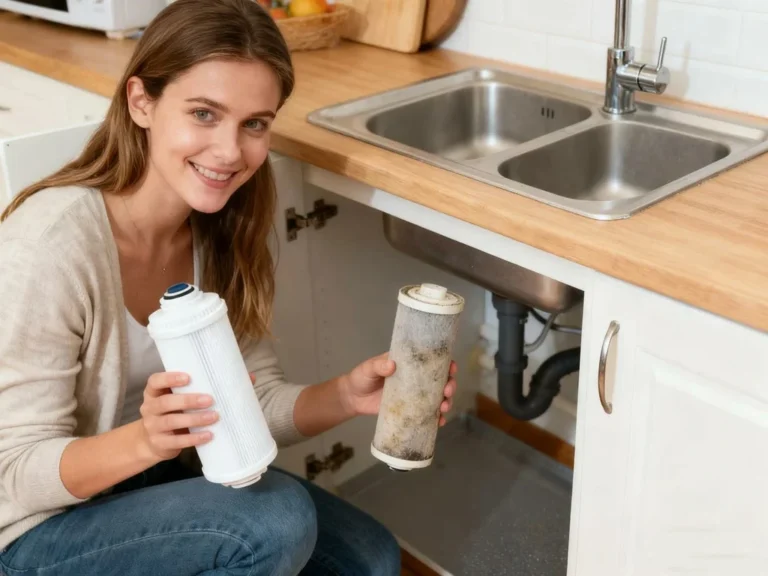
Even a quality carbon filter needs regular maintenance. Over time, the media becomes less effective as it captures substances from the water. If a cartridge is used beyond its recommended capacity, taste and odor may return, and filtration performance may decline.
Replacement schedules vary based on water quality, daily usage, and the manufacturer’s recommendations. Some systems include indicators or monitoring features, while others require homeowners to track usage themselves.
It’s also important to install replacement cartridges correctly and follow the system’s instructions. A filter that is poorly fitted or neglected may not perform as expected.
Making a Thoughtful Water Filtration Choice
Carbon filtration can be a practical way to improve the taste and smell of household water, especially when chlorine is the main concern. Sediment pre-filtration can help protect the system, while quality carbon media can support more consistent performance.
The best approach is to identify the actual water issue, understand what a filter is designed to reduce, and choose equipment that fits the household’s needs. With realistic expectations and regular maintenance, carbon filtration can make everyday water more pleasant without turning treatment into an unnecessarily complicated project.