There is something comforting about turning on a kitchen faucet and filling a glass without giving it much thought. It’s one of those everyday conveniences that becomes almost invisible. But when water starts tasting odd, a kettle develops scale faster than usual, or you’re simply curious about what’s coming through the pipes, that convenience suddenly deserves a closer look.
Choosing a drinking-water treatment system can feel more complicated than it should. There are carbon filters, reverse osmosis units, pitchers, under-sink systems, whole-home equipment, and plenty of impressive claims on product labels. The smartest choice isn’t necessarily the most expensive one. It starts with understanding your water and deciding what you actually want to improve.
A little research upfront can save a lot of frustration later.
Start by Understanding Your Water
The first question isn’t “Which filter should I buy?”
It’s “What’s in my water?”
Municipal water supplies are treated and monitored, but water can still change as it travels through distribution networks and household plumbing. Private wells have their own considerations, including naturally occurring minerals, sediment, and possible changes in groundwater conditions.
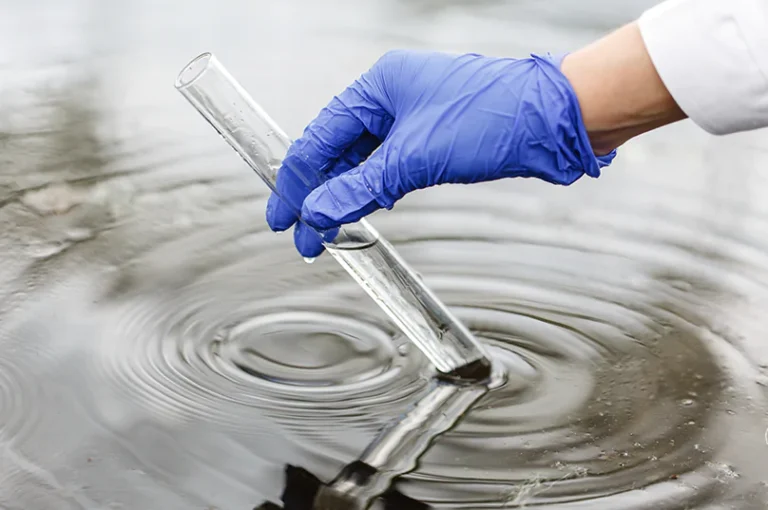
A water test can provide useful information about characteristics such as hardness, pH, iron, manganese, total dissolved solids, and other substances. More specific testing may be appropriate if there’s a known local concern or a particular contaminant you’re worried about.
Testing doesn’t have to feel like overkill. Think of it as getting a diagnosis before choosing a treatment. You wouldn’t normally repair a car without figuring out what’s making the strange noise. Water deserves a similar approach.
Why Reverse Osmosis Gets So Much Attention
Among household purification methods, reverse osmosis is one of the most widely discussed.
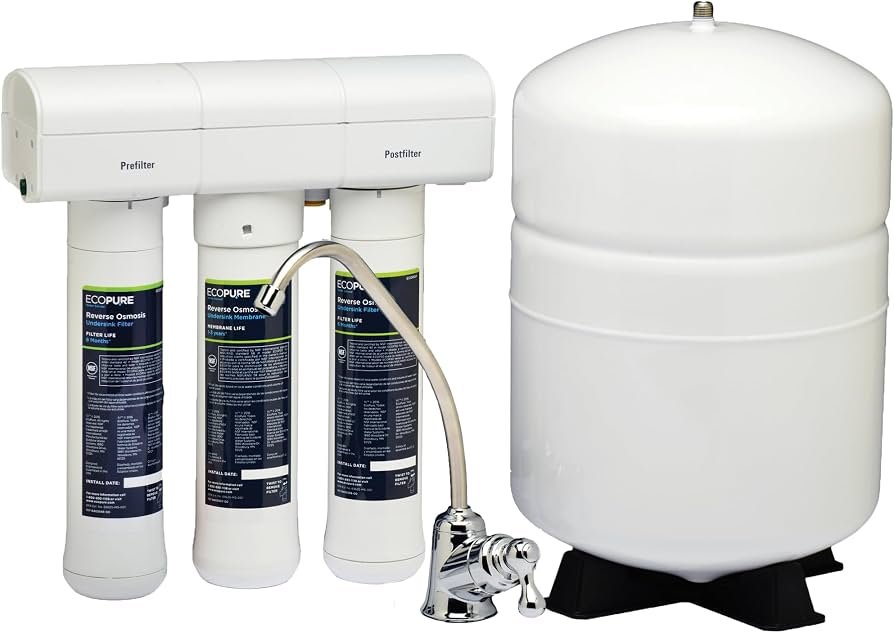
Reverse osmosis drinking water systems use pressure to move water through a semipermeable membrane. The membrane can reduce many dissolved substances, while additional filter stages are often included to capture sediment and certain chemicals and to improve taste.
For households with specific water-quality concerns, RO can be a powerful option. It’s commonly installed under a kitchen sink and connected to a dedicated drinking-water faucet.
Still, it isn’t magic—and it isn’t automatically necessary.
RO systems require filter and membrane replacement. They also produce some wastewater during the purification process, although efficiency varies among systems. Storage tanks may be part of the design, and installation requires enough cabinet space and appropriate plumbing.
The right question isn’t whether reverse osmosis is good. It’s whether it makes sense for your particular water.
Chlorine Can Affect More Than Taste
Municipal water is often disinfected to control harmful microorganisms, which is an important part of public water treatment. However, the disinfectant can also influence the taste and smell of water at the tap.
Some people are particularly sensitive to it. They may notice a swimming-pool-like smell or a slightly different taste when drinking straight from the faucet.
Chlorine can also interact with organic matter in water, producing disinfection byproducts. Public water systems monitor these substances, but homeowners who want additional treatment may consider filtration designed to reduce chlorine and certain related compounds.
Activated carbon is commonly used for this purpose. The performance depends on the type and amount of carbon, flow rate, contact time, and filter condition.
So if chlorine taste is your main complaint, a straightforward carbon filter may be enough. There may be no reason to jump immediately to a more complex system.
Lead Deserves Serious Attention
Lead is different because you cannot reliably identify its presence by looking at, smelling, or tasting the water.
Older plumbing materials, certain fixtures, and service-line components can be potential sources of lead. The risk depends on the construction and plumbing history of a property, local conditions, and other factors.
Lead exposure is particularly concerning because it can affect health, with children being especially vulnerable. If you live in an older home or have reason to suspect lead-containing plumbing, testing is a sensible step.
When treatment is needed, look for filtration products specifically evaluated for lead reduction. Certification and performance information matter here. A generic “water purifier” claim doesn’t automatically mean a product has been demonstrated to reduce lead effectively.
Also remember that treatment at the faucet doesn’t fix the source. If plumbing is contributing lead, addressing the underlying problem may be an important part of the solution.
Don’t Confuse Softening With Purification
Hard water causes plenty of household complaints, but hardness isn’t the same thing as contamination.
Calcium and magnesium are the minerals primarily responsible for hardness. They can produce scale around faucets and inside appliances, make soap behave differently, and create deposits in hot-water equipment.
A water softener can help reduce hardness, but its purpose is different from a drinking-water purification system.
This distinction is important because homeowners sometimes expect one device to solve every water problem. In reality, treatment technologies have specific jobs.
A softener may protect plumbing from scale. A carbon filter may improve taste and reduce chlorine. Reverse osmosis may reduce many dissolved substances. One home may need one of these technologies, while another may reasonably use several.
Pay Attention to Filter Maintenance
Even the best filter has a limit.
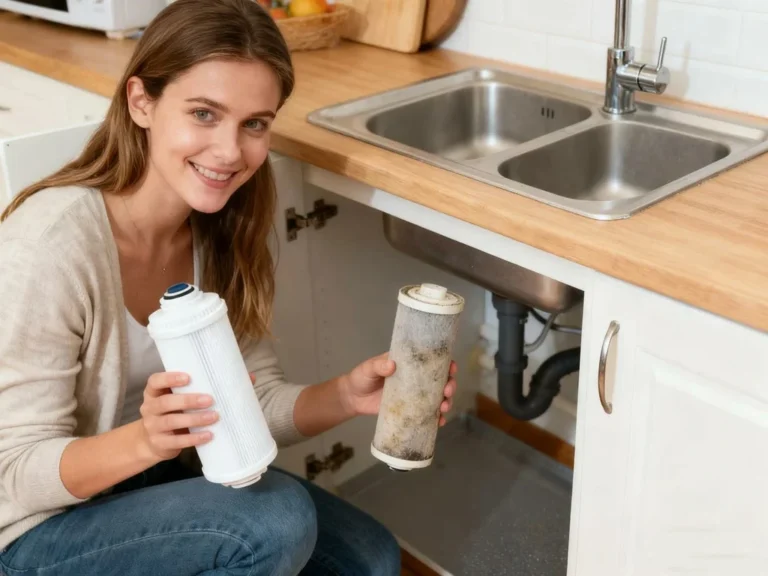
As contaminants and particles accumulate, filter performance can decline. Manufacturers provide replacement recommendations based on time, capacity, or both. Those recommendations shouldn’t be treated as optional fine print.
A filter that is overdue for replacement may not provide the performance you expect. That’s especially important when the system is being used to reduce a specific contaminant.
Keep a simple record of installation and replacement dates. If the system has multiple stages, label the cartridges so you know which one needs attention and when.
It sounds basic, but basic works.
Look Beyond the Price on the Box
The purchase price tells only part of the story.
Consider installation, replacement cartridges, membranes, electricity, maintenance, and water consumption. Some systems are inexpensive initially but require frequent filter changes. Others cost more upfront but have longer service intervals.
Think about your household’s water use, too. A system that works well for a couple may need more frequent maintenance in a busy family home.
If you’re comparing products, ask practical questions. How much water can the filter treat? What contaminants has it been tested to reduce? What happens when the filter reaches capacity? Are replacement parts easy to find?
Those answers are usually more useful than a long list of marketing phrases.
Don’t Forget the Plumbing Behind the Filter
A filtration system isn’t a substitute for good plumbing.
If only one faucet has an unusual taste or discoloration, the fixture or nearby plumbing could be involved. If the entire house is affected, the issue may originate farther upstream.
Older homes can be especially worth investigating. Pipes, fittings, fixtures, and water heaters can all influence the water that eventually reaches the glass.
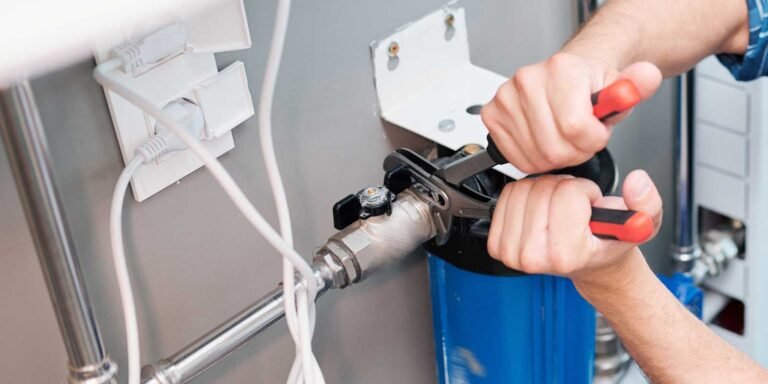
In other words, don’t assume the water-treatment equipment is always the culprit. Sometimes the problem is hiding elsewhere.
The Best System Is the One You Can Maintain
A sophisticated treatment system isn’t useful if it becomes a forgotten box underneath the sink.
Choose something that fits your routine. Make sure replacement filters are accessible. Understand the maintenance schedule before installation. If professional service is required, know who will handle it.
Convenience matters more than people expect.
A system that’s easy to use and maintain is far more likely to provide consistent performance over the years.
Better Water Starts With a Clear Reason
There is no single filtration system that’s perfect for every household.
If taste is the problem, carbon filtration may be enough. If a specific contaminant is present, choose technology designed and tested for it. If hardness is causing scale, consider treatment aimed at hardness rather than drinking-water purification.
The smartest approach is calm and practical: test the water, understand the results, compare technologies, and maintain whatever system you install.
You don’t need to turn your kitchen into a laboratory. You just need to know what’s coming out of the faucet and make an informed decision about what, if anything, should change.
That’s a much better starting point than buying the first filter with the biggest promises on the package.