Water filtration can look deceptively simple from the outside. Water enters one side of a system, passes through some kind of media, and comes out cleaner on the other side. But inside that tank or filter housing, there can be a lot more going on than most homeowners realize.
Different filtration media are designed to deal with different water-quality concerns. Some target hardness. Others reduce chlorine, organic compounds, odors, or specific contaminants. Choosing the right material isn’t just a matter of picking the most expensive option. It means understanding the water, the treatment goal, and how the system will be used over time.
That’s where good water treatment planning starts to become interesting.
Why Filtration Media Matters
Filtration media is essentially the working material inside a treatment system. It may physically trap particles, adsorb certain compounds, exchange ions, or support another treatment process.
The correct media can make a noticeable difference in performance. The wrong one, even if it’s marketed as a premium product, may not address the problem you’re actually experiencing.
Water chemistry is rarely identical from one property to another. A home with hard municipal water may need something completely different from a property dealing with iron, sediment, or naturally occurring contaminants.
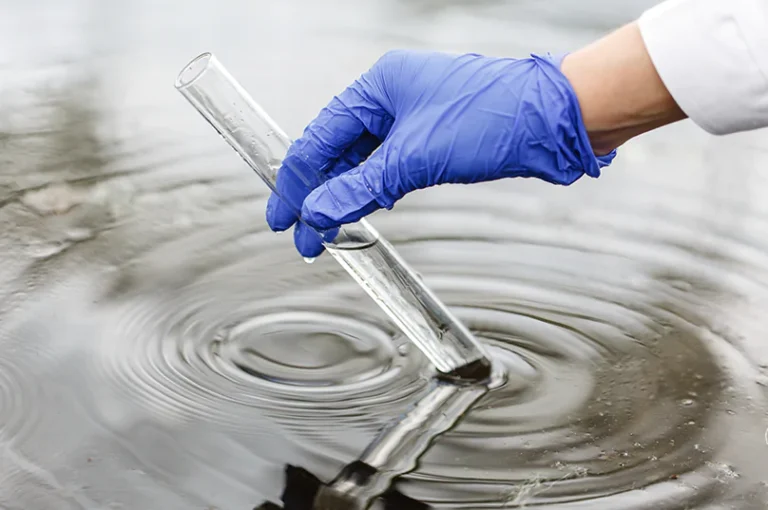
Testing should therefore come before equipment selection whenever possible.
Ion Exchange Has a Specific Job
Ion exchange is a well-established water treatment process. It works by exchanging certain ions in the water with ions held on a resin.
One example is blackcat® ion exchange resin, which is used in applications where ion-exchange treatment is appropriate. Resins can be designed for different treatment purposes, so it’s important to understand their specifications rather than assuming all resin products work in the same way.
In water softening, ion exchange is commonly used to reduce calcium and magnesium responsible for hardness. The resin eventually becomes loaded with the ions it has captured and needs regeneration to restore its capacity.
That regeneration step is an important part of system operation. Settings, water hardness, household demand, and resin capacity all influence how frequently regeneration should occur.
Activated Carbon and Everyday Water Quality
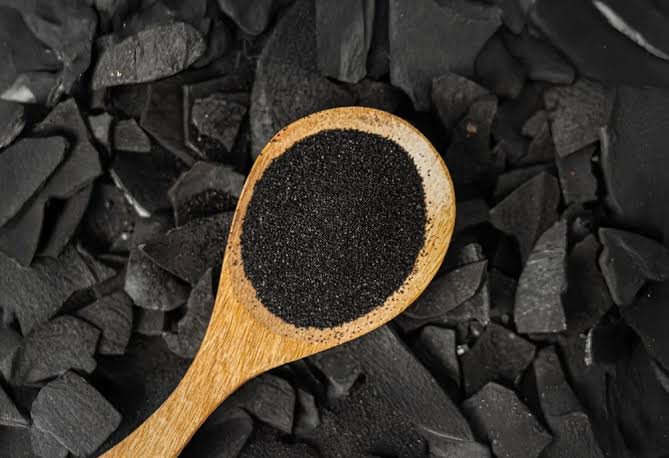
Activated carbon is another widely used filtration medium. Unlike ion exchange, carbon filtration is primarily associated with adsorption, where certain compounds attach to the surface of the carbon.
Carbon is commonly used to improve taste and odor, particularly where chlorine or certain organic compounds affect the character of drinking water.
A high-quality carbon bed can offer substantial internal surface area for adsorption. high capacity coconut shell activated carbon is one example of carbon media valued for its adsorption characteristics and potential use in water treatment applications.
But again, “high capacity” doesn’t mean it will remove everything. Carbon has limitations, and its effectiveness depends on the contaminant, concentration, contact time, water chemistry, and system design.
That’s why technical specifications matter more than a product name alone.
Bone Char Has a Different Role
Some filtration materials are highly specialized. Bone char carbon is one example, and it has a long history of use in particular water-treatment applications.
bone char carbon is produced by heating animal bones under controlled conditions, creating a carbonaceous material with mineral components. One of its notable uses has been the reduction of certain contaminants, including fluoride, depending on the system design and operating conditions.
It’s not a universal replacement for activated carbon or reverse osmosis. Its usefulness depends on the specific water chemistry and treatment objective.
This is a good reminder that filtration media shouldn’t be judged simply by whether a material sounds advanced or unusual. The real question is whether it has demonstrated value for the contaminant you’re trying to address.
Contact Time Makes a Difference
Even good filtration media needs enough contact with water to work effectively.
If water moves through a carbon bed too quickly, there may not be enough contact time for adsorption to occur as intended. This is one reason system sizing matters.
Flow rate, media volume, bed depth, and contaminant concentration all influence treatment performance. A system designed around laboratory conditions may not perform identically if it’s installed incorrectly or pushed beyond its intended flow rate.
For homeowners, this means bigger isn’t always better. The equipment should be sized according to actual water demand.
For commercial facilities, proper sizing becomes even more important because peak flow can be much higher than average consumption.
Water Testing Should Guide the Decision
It’s difficult to choose appropriate media without knowing what you’re trying to remove.
A water analysis may reveal hardness, iron, manganese, chlorine, dissolved solids, pH, or other characteristics. Additional testing may be necessary when there is concern about specific contaminants.
Once the water profile is understood, treatment professionals can evaluate which media or combination of technologies is appropriate.
Sometimes the answer is surprisingly simple. A basic carbon filter may solve a taste-and-odor problem. Another property may need softening followed by additional filtration. A more complex water condition could require multiple treatment stages.
The point is to build the system around the water, not the other way around.
Combining Different Media Can Be Useful
Many modern systems use more than one treatment stage. This isn’t necessarily because manufacturers want to make systems complicated. Different media can perform complementary jobs.
For example, sediment filtration can protect downstream media from particles. Carbon can improve taste and reduce certain compounds. Ion exchange can address hardness. A specialized medium can then target a particular contaminant.
The sequence matters, too. Pretreatment can protect more sensitive components and extend their useful life.
But every additional stage adds another component to maintain. A system should therefore be as complex as necessary, but no more complex than necessary.
That’s a useful rule for almost any home improvement project.
Maintenance Determines Long-Term Performance
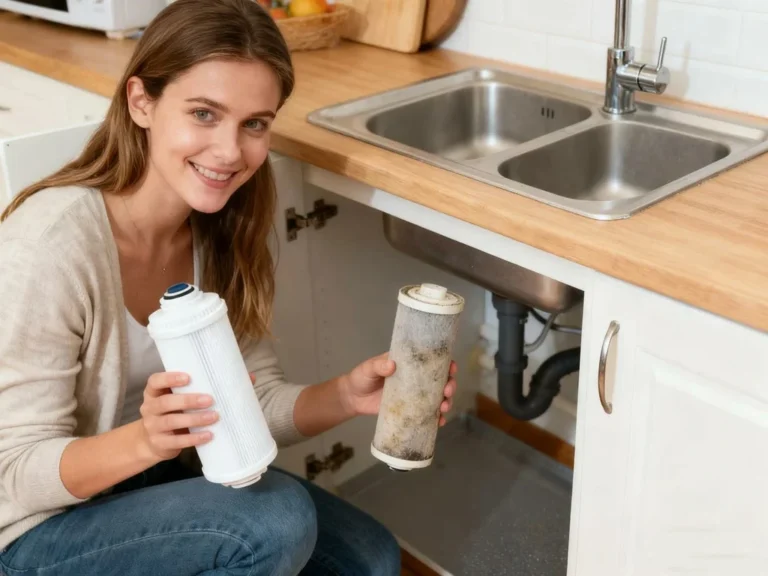
Filtration media doesn’t last forever. Capacity eventually decreases, and some media require replacement while others can be regenerated or backwashed.
Carbon, for example, eventually becomes exhausted. Once its adsorption capacity is used up, continuing to send water through the bed won’t magically restore performance.
Ion-exchange resin can often be regenerated, but regeneration must be properly managed. Incorrect settings can result in poor treatment or unnecessary water and salt consumption.
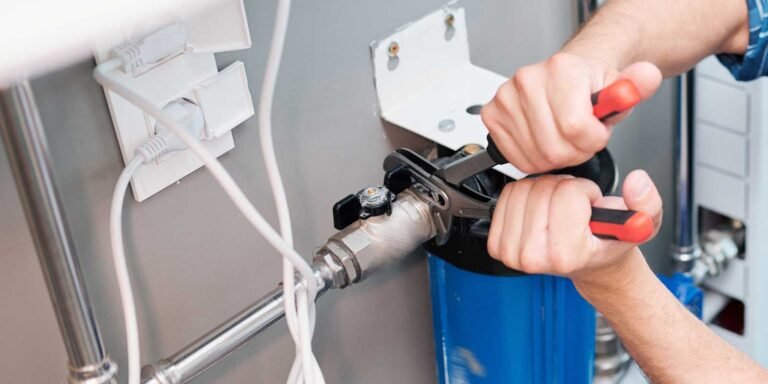
Regular inspections, proper backwashing where applicable, and timely media replacement help keep the system working as intended.
Don’t Choose Based Only on Price
Low-cost media can look attractive when comparing treatment systems. But price alone doesn’t reveal how much usable capacity the material provides or how often it will need attention.
Look at capacity, expected service life, operating conditions, replacement costs, and compatibility with the equipment.
For commercial applications, also consider downtime. A treatment system that needs frequent intervention may create operational headaches that cost much more than the original equipment savings.
A slightly higher-quality component can sometimes offer better value when evaluated over several years.
The Right Media Is About Fit
There is no single filtration medium that’s best for every situation. Ion exchange, activated carbon, bone char, sediment filtration, reverse osmosis, and other technologies each have their own strengths and limitations.
The smartest approach is fairly straightforward: test the water, identify the treatment goal, select media suited to that goal, size the equipment properly, and maintain it according to its requirements.
That process may sound less exciting than buying the latest “advanced” filter, but it is much more likely to deliver dependable results.
Good water treatment is rarely about one magical material. It’s about matching the right technology to the right problem.
When that match is made correctly, filtration becomes something you don’t have to think about very often. The system works quietly, maintenance stays predictable, and the water coming from the tap simply feels like it should — clean, consistent, and dependable.