A water treatment system is one of those home investments you notice most when it stops working properly. When everything is running smoothly, water tastes fresh, showers feel comfortable, and mineral stains stay under control. But when the system begins making unusual noises, water quality changes, or appliances start collecting scale again, the problem becomes difficult to ignore.
Like any important household equipment, a water treatment system needs attention beyond the day it is installed. Regular inspections, timely service, and the right supplies can help maintain its performance for years. The goal isn’t to spend money on unnecessary work. It’s to prevent small problems from turning into expensive disruptions.
Understanding What Your System Actually Does
Before discussing maintenance, it helps to understand the purpose of the equipment in your home. Water treatment systems are not all designed for the same job.
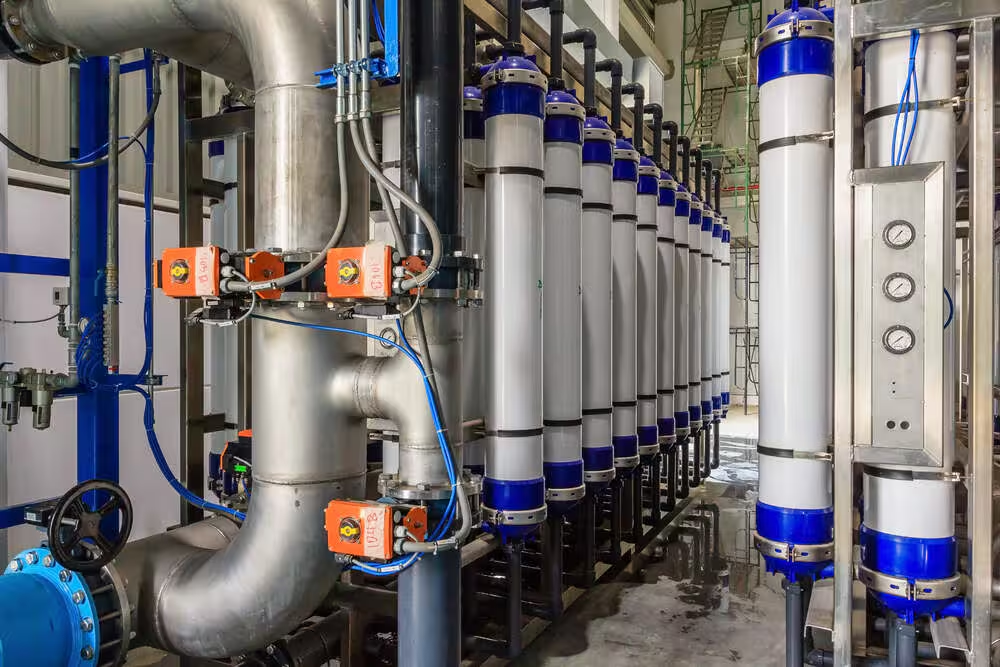
A water softener reduces hardness minerals such as calcium and magnesium. These minerals can create scale inside pipes, water heaters, washing machines, and dishwashers. A whole-house filtration system may reduce sediment, chlorine, odors, or other impurities, depending on the filter media.
Reverse osmosis systems are usually installed at a specific drinking-water faucet. They use a membrane to reduce many dissolved substances and are often selected for drinking and cooking. Ultraviolet systems, meanwhile, may be used for certain well-water applications to inactivate microorganisms.
Knowing the role of each component makes it easier to recognize when something is wrong. If hard-water spots return, the softener may need attention. If water develops an odor, the issue could involve the filter, source water, plumbing, or another component entirely.
Early Signs That Shouldn’t Be Ignored
Water treatment problems rarely appear without warning. In many cases, the system gives small clues before a complete failure occurs.
One common sign is a noticeable return of scale on faucets, shower doors, and dishes. If softened water suddenly feels different or soap no longer lathers as expected, the softener may not be operating correctly. Low salt, a clogged injector, resin issues, or a malfunctioning control valve could be responsible.
Changes in water taste or odor may also indicate that a filter needs replacement. A filter that has reached its capacity can lose effectiveness, allowing unwanted substances to pass through. Cloudy water, unusual color, or reduced pressure may point to sediment buildup or another plumbing concern.
Strange sounds, leaks around fittings, or frequent regeneration cycles deserve attention as well. Ignoring these warning signs can lead to more serious repairs later. A quick inspection is often easier and less expensive than dealing with a system that has stopped working completely.
Why Regular System Check-Ups Matter
Many homeowners remember their water treatment system only when they notice a problem. That’s understandable—life gets busy. Still, waiting for poor water quality or equipment failure is not the best maintenance strategy.
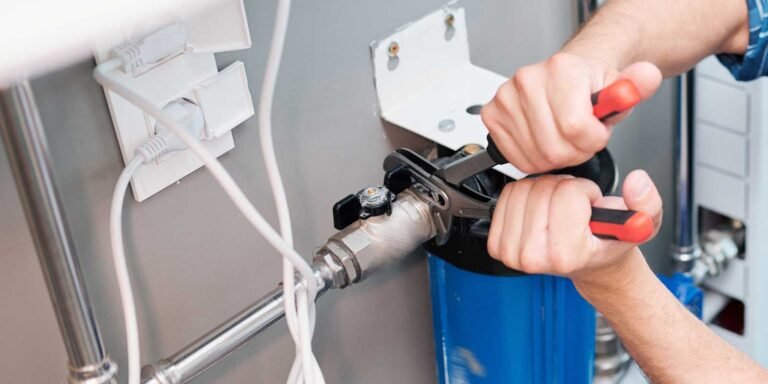
A professional system check-up can identify issues that may not be obvious from the outside. During an inspection, a technician may review water pressure, inspect valves and connections, examine filter housings, check regeneration settings, and look for signs of wear or leaks.
For a water softener, the technician may also check the brine tank, salt level, resin performance, and control settings. For filtration equipment, the condition of cartridges, media tanks, seals, and pressure gauges may be evaluated. Reverse osmosis systems may need membrane checks, filter changes, tank-pressure testing, or sanitization.
The frequency of professional service depends on the type of equipment, water conditions, household size, and usage. A home with well water or heavy mineral content may need more frequent attention than a property with relatively mild water conditions.
Keeping Salt Levels Under Control
Water softeners depend on salt or potassium chloride to regenerate their resin and continue reducing hardness minerals. If the brine tank runs empty, the softener may continue cycling, but it will no longer function as intended.
Homeowners should check the salt level regularly and avoid waiting until the tank is completely empty. The exact amount needed varies by system, so it’s wise to follow the manufacturer’s recommendations rather than filling the tank without limits.
Salt can sometimes form a hardened layer known as a salt bridge. This creates the appearance of a full tank even though the softener cannot draw the brine properly. A salt bridge may need to be carefully broken up using an appropriate method. Avoid using sharp objects that could damage the tank.
For homeowners who have difficulty lifting heavy bags or keeping up with supply needs, scheduled salt delivery can be a convenient option. It helps ensure the softener has what it needs without last-minute trips to the store. Reliable delivery services may also make it easier to maintain a consistent routine.
Replacing Filters at the Right Time
Filtration systems are only effective when their filters or media are in good condition. Every filter has a useful service life, and that lifespan depends on the quality of incoming water and the amount used.
Sediment filters may clog more quickly in homes with well water or disturbed plumbing lines. Carbon filters can eventually become saturated with chlorine, odors, and other substances they were designed to reduce. Waiting too long to replace them can lower water pressure and reduce treatment performance.
Instead of relying only on a calendar, pay attention to the manufacturer’s recommendations and any changes in water taste, odor, flow, or appearance. Some systems include pressure gauges that help indicate when a filter is becoming restricted.
When replacing a cartridge, make sure the replacement is compatible with the system. A poorly fitted filter or damaged seal can create leaks and allow untreated water to bypass the filtration stage.
Protecting the System During Vacancies and Weather Changes
Seasonal changes and long periods away from home can affect water treatment equipment. If you plan to leave the property for an extended period, ask a professional whether the system should be placed in bypass mode or adjusted temporarily.
In areas where temperatures can fall unexpectedly, exposed plumbing and treatment components should be protected from freezing. Frozen water can damage housings, pipes, valves, and tanks. Even a small crack may lead to significant water damage once the system is pressurized again.
After returning from a long absence, inspect the equipment for leaks, unusual odors, or changes in water quality. If the system was shut down, follow the manufacturer’s restart instructions carefully.
Choosing Professional Support Wisely
Not every water treatment issue requires a technician, but some problems are best handled by someone with the right tools and experience. Incorrect adjustments can damage equipment or create new water-quality concerns.
When choosing a service provider, look for clear explanations, transparent pricing, proper licensing where required, and experience with your specific system. Ask whether the company offers maintenance plans, emergency support, replacement parts, and written service recommendations.
A trustworthy technician should explain what needs to be done and why. They shouldn’t pressure you into replacing equipment that can reasonably be repaired or maintained.
A Little Attention Goes a Long Way
A water treatment system does important work quietly, often without receiving much attention. Yet a small amount of routine care can make a major difference in its reliability and operating life.
Check salt levels, replace filters on schedule, watch for changes in water quality, and arrange professional inspections when needed. These simple habits can protect plumbing, improve appliance performance, and help prevent sudden breakdowns.
The best maintenance routine is one that fits naturally into your household schedule. With consistent care and timely service, your water treatment system can continue delivering dependable results season after season—without becoming another source of stress.