Most people don’t think much about household water until it starts creating little problems. A glass of tap water tastes different. The shower door seems to collect white spots overnight. Soap refuses to lather properly, or the kettle develops a layer of mineral buildup that wasn’t there a few weeks ago.
None of those things necessarily means something is seriously wrong. But they can be signs that your home’s water has characteristics worth understanding.
The challenge is figuring out what to do next. Water treatment comes with plenty of choices, and the terminology can get confusing quickly. Filters, softeners, conditioners, purification systems—it’s easy to feel as though you need a chemistry degree just to compare them.
You really don’t. Start with the problem, understand the water, and choose equipment around what your household actually needs.
Look at the Everyday Clues
Your home often gives you useful hints before you ever order a water test.
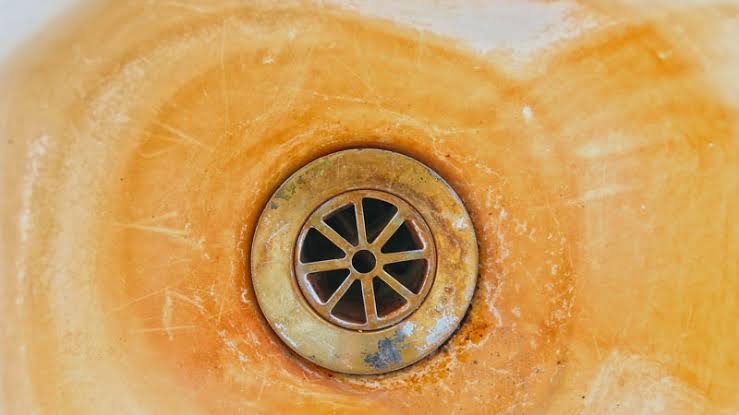
Mineral deposits around faucets and showerheads can be associated with hard water. Grit collecting in aerators may suggest sediment. An unusual smell could have several possible causes, from the water source to plumbing inside the home.
Pay attention to patterns, too. If only one faucet tastes strange, the fixture itself could be part of the problem. If every tap has the same issue, the cause may be farther upstream.
It sounds simple, but these observations can save homeowners from treating the wrong problem.
Hard Water Can Wear on a Household
Hard water is mostly associated with calcium and magnesium. These minerals occur naturally in many water supplies, but they can become annoying when they accumulate around the house.
You may see cloudy spots on glassware, scale around fixtures, or buildup inside water-using appliances. Soap and shampoo can also behave differently, leaving people wondering why cleaning suddenly feels harder than it should.
For homes where hardness is a persistent concern, water softeners can help reduce calcium and magnesium through an ion-exchange process.
The important thing is sizing. A system needs to keep up with household demand without being unnecessarily large. A water professional can use water hardness, household size, and usage patterns to help determine an appropriate capacity.
Drinking Water Has Different Priorities
The water used for showers and laundry doesn’t necessarily need to be treated in exactly the same way as the water you drink.
Some homeowners want to improve taste and odor at the kitchen faucet. Others may have specific concerns identified through testing. In those situations, drinking water systems can provide targeted treatment where it matters most.
Depending on the water quality and treatment goal, options may include carbon filtration, reverse osmosis, or other technologies.
Don’t choose based solely on a system’s feature list. Find out what the equipment is actually designed to reduce and whether that matches your water.
Specialized Problems Need Specialized Thinking
Not every water issue is solved by a standard cartridge filter.
Some properties have elevated iron, unusual odors, excessive sediment, or other water characteristics that require more targeted treatment. In these cases, specialty filtration systems may be considered.
The important word is “specialty,” not “expensive.” Specialized equipment should have a clear purpose. If a system is being recommended, ask what problem it addresses and how its performance will be measured.
A good explanation shouldn’t sound like a sales pitch. You should be able to understand why each component belongs in the setup.
Testing Gives You Something Solid to Work With
Water that looks clear isn’t necessarily free from every possible concern, and water that looks cloudy isn’t automatically unsafe.
Testing helps separate assumptions from facts.
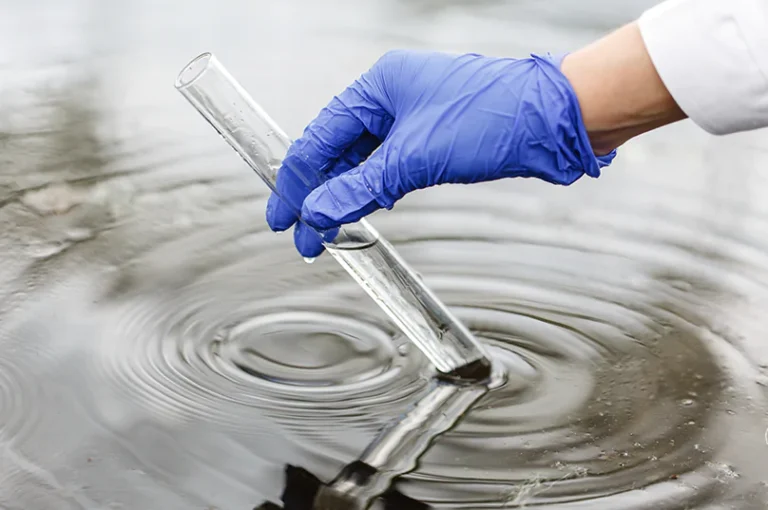
Depending on the situation, water analysis can examine hardness, pH, iron, sediment, and other characteristics. Private well owners may have additional reasons to test regularly, since they are responsible for monitoring their own water supply.
You don’t necessarily need a massive list of laboratory tests. The appropriate analysis depends on the source and the concerns you’re trying to investigate.
The point is to gather useful information before spending money.
Don’t Forget the Plumbing
Sometimes the water gets blamed for an issue caused by the house itself.
Old plumbing can affect taste and appearance. A dirty faucet aerator can collect particles. Corrosion may introduce discoloration or metallic flavors. A water heater can also create issues that don’t exist in cold water.
If the problem appears at only one fixture, start there.
This doesn’t mean you should ignore water treatment. It means you should avoid buying a whole-house system to solve a problem that lives inside one faucet.
A little troubleshooting goes a long way.
Think About Flow Rate Before Installation
Water treatment equipment needs to work with your plumbing, not against it.
If the system is too small, you may notice pressure problems when several fixtures are operating at once. A family might have someone showering while another person runs the washing machine and someone else fills a sink.
That is when proper sizing becomes very real.
Consider the number of people in the home, bathrooms, appliances, and typical peak water use. The right capacity isn’t necessarily the largest available. It’s the capacity that comfortably handles your normal demand.
Installation Should Leave Room for the Future
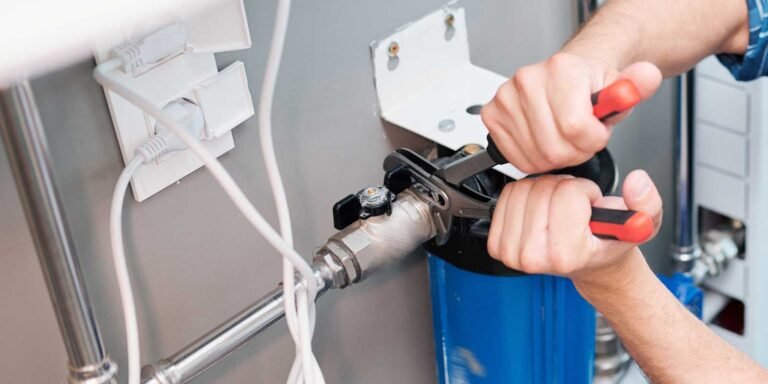
A treatment system should be installed somewhere accessible enough for routine service.
Filters need to be replaced. Tanks may need inspection. Valves and connections occasionally require attention. If the equipment is squeezed into an impossible corner, even simple maintenance becomes frustrating.
A good installation also considers drainage, bypass arrangements, pressure, pipe connections, and equipment clearance.
Think beyond the first day. You aren’t just deciding where equipment looks neat; you’re deciding how easy it will be to own five years from now.
Maintenance Is Part of the Purchase
Water treatment systems aren’t completely maintenance-free.
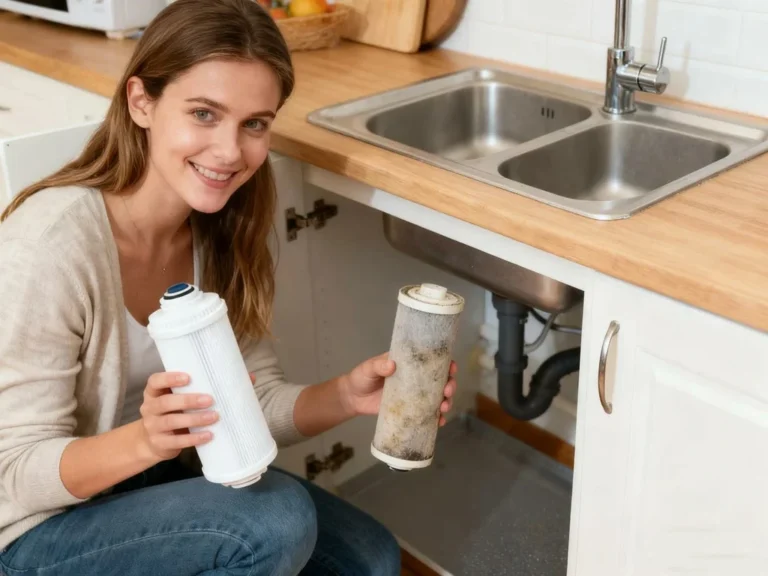
Filters eventually reach the end of their useful life. Some systems need sanitation, cleaning, regeneration, or component inspection. Waiting until performance collapses isn’t the best maintenance strategy.
Keep track of replacement dates. Pay attention to changes in pressure, taste, odor, and water appearance.
And when something seems unusual, don’t automatically assume the entire system needs replacing. A clogged filter, incorrect setting, or worn component may be all that’s wrong.
Think About Long-Term Costs
It’s easy to focus on the installation price because that’s the number sitting in front of you.
But long-term ownership includes replacement filters, consumables, electricity, service visits, and repairs. A cheaper system can become expensive if it requires frequent attention.
Before purchasing, ask what routine maintenance looks like and what common replacement parts cost.
You don’t need to predict every expense for the next decade. Just understanding the normal maintenance cycle can make comparison much easier.
The Best System Is the One That Fits Your Life
Water treatment shouldn’t become a second job.
The right system should address real concerns without creating unnecessary complexity. It should be appropriately sized, professionally installed when needed, and maintained according to its requirements.
Most importantly, the equipment should have a reason for being there.
Start with the water. Pay attention to the symptoms. Test when appropriate. Then choose treatment based on evidence rather than a flashy product description.
When that process is done properly, the result is refreshingly ordinary. The faucet works, the shower is easier to clean, appliances get the treatment they need, and the water tastes the way you expect.
Sometimes the best home improvement is the one you barely notice once it’s doing its job.