Good water is easy to overlook. When the tap works, the glass fills, and nobody notices a strange smell, it becomes part of the background noise of daily life. But once water quality changes, even slightly, you start noticing all sorts of little things.
Coffee tastes different. Ice cubes look cloudy. A glass left on the kitchen counter develops a faint smell. Maybe the water has a mineral taste that wasn’t there before.
These details may seem minor, but drinking water is used constantly. It goes into food, beverages, ice, tea, coffee, and plenty of other everyday things. Improving the water at the point where it’s most often consumed can therefore make a bigger difference than many homeowners expect.
Better Water Starts in the Kitchen
The kitchen is probably the busiest water station in the house. It’s where people fill bottles, wash vegetables, prepare meals, brew coffee, and make everything from soup to lemonade.
That’s why cleaner water for cooking and beverages can have such a noticeable impact. Water is an ingredient, even when we don’t think of it that way.
If the incoming water has a strong chlorine taste, excessive mineral content, or other characteristics you don’t enjoy, those qualities can show up in whatever you’re preparing. Coffee is particularly unforgiving. A subtle change in water chemistry can alter its flavor more than people realize.
The same goes for tea, ice, sauces, and even something as simple as a glass of cold water.
Taste and Odor Are Often What Homeowners Notice First
Water doesn’t need to be visibly dirty to be unpleasant.
Chlorine is commonly used to disinfect municipal water supplies, and some people are more sensitive to its taste or smell than others. Minerals can also affect flavor. In private wells, naturally occurring substances may create metallic, earthy, or sulfur-like odors.
A sudden change deserves attention, especially if the water has always tasted normal. Rather than immediately buying a filter, it’s worth considering whether anything has changed in the supply, plumbing, or treatment conditions.
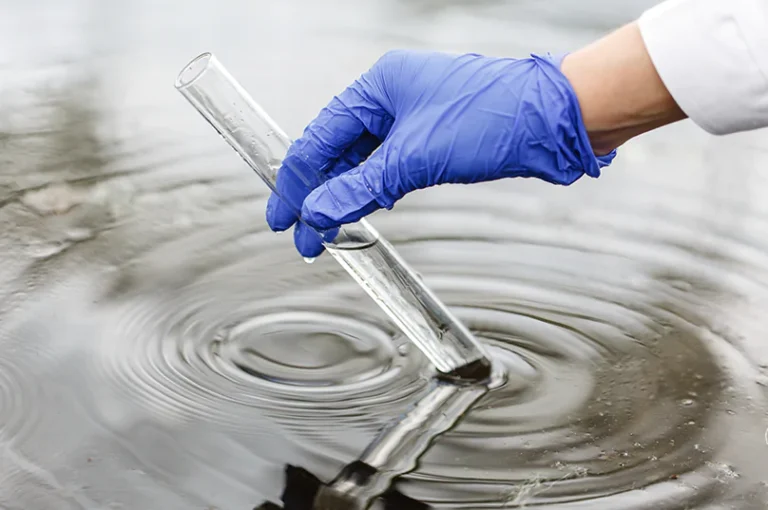
If the issue is persistent, water testing can help identify what’s behind it.
Ice Can Reveal What You Don’t Notice in a Glass
Have you ever looked at an ice cube and wondered why it isn’t clear?
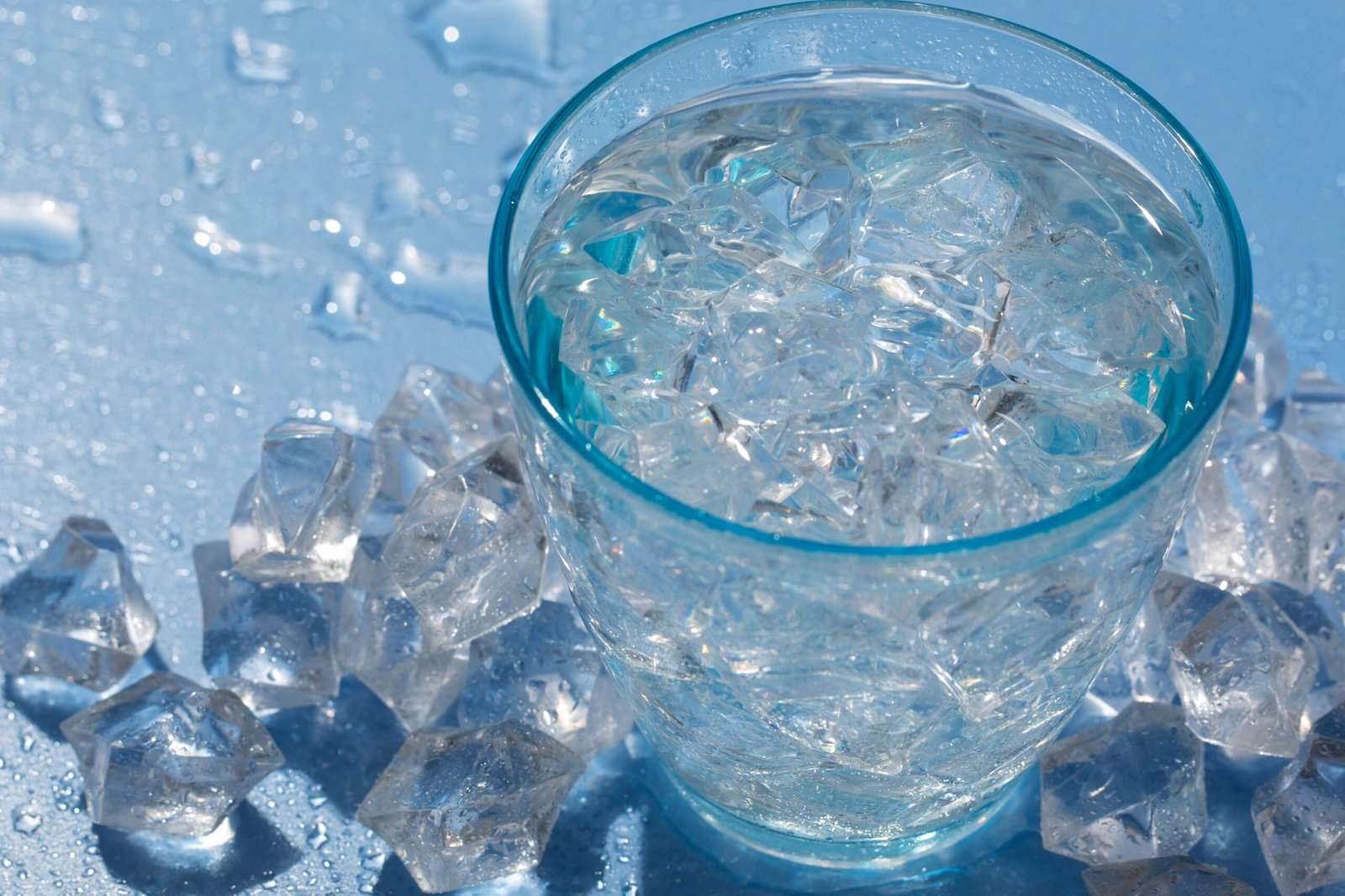
Cloudy ice doesn’t necessarily mean your water is unsafe. Tiny air bubbles, dissolved minerals, freezing conditions, and the design of the ice-making process can all affect appearance.
Still, crystal-clear ice cubes have an undeniable appeal. They’re one of those small details that can make a drink look cleaner and more polished, especially when you’re serving guests.
The quality of the water used to make ice can also affect taste. If your tap water has a noticeable odor or flavor, freezing it doesn’t magically remove the issue.
That’s easy to forget. We often think of ice as separate from drinking water, but it’s really just drinking water in another form.
Filtering at the Point of Use Can Make Sense
Some homeowners don’t need to treat every drop of water entering their property.
If the main concern is drinking and cooking, a point-of-use filter at the kitchen sink can be a practical option. These systems focus treatment where the water is actually consumed, which can reduce the amount of equipment required compared with whole-home treatment.
Depending on the system, filtration may target chlorine, sediment, certain contaminants, or other water-quality concerns.
The important thing is to match the filter to the problem. A carbon filter may be useful for taste and odor, while other concerns require different technologies.
There isn’t one cartridge that does everything perfectly.
Reverse Osmosis Can Offer More Extensive Treatment
For households looking for broader reduction of dissolved substances in drinking water, reverse osmosis is another option.
A reverse osmosis system uses pressure to move water through a semipermeable membrane. Many residential systems combine the membrane with additional filtration stages before and after it.
This can produce highly treated water for drinking and cooking, but there are trade-offs. Filters and membranes need maintenance, and many systems produce wastewater as part of the process.
Water pressure and system capacity also matter. A properly selected and maintained system can perform well, but it shouldn’t be chosen simply because “reverse osmosis” sounds more advanced.
The question should always be: what does your water need?
Don’t Forget About Your Coffee Maker
Coffee lovers know this one.
Water makes up most of a cup of coffee, so its characteristics naturally influence the final result. Hard water, chlorine, or certain minerals can affect flavor and may also contribute to deposits inside the machine.
Regular cleaning of the coffee maker is important regardless of water quality. But if scale returns quickly, it may be worth investigating the water itself.
Using appropriately treated water can help reduce mineral buildup, depending on the treatment method and the appliance.
And yes, sometimes the reason your coffee suddenly tastes “off” really is the water. Not the beans. Not your coffee maker. The water.
Appliances Appreciate Good Water, Too
Water quality doesn’t only matter when you’re drinking it.
Dishwashers, coffee machines, ice makers, refrigerators, and water heaters all interact with the household water supply. Hardness and sediment can contribute to deposits or clogging in certain equipment.
That doesn’t mean a filtration system will eliminate every appliance problem. Appliances still need cleaning and maintenance.
But reducing certain water-quality issues can make household equipment easier to live with over time.
Testing Is Still the Smart First Step
It can be tempting to buy a filter based on a symptom, but testing is usually a better starting point.
Water analysis can help identify hardness, iron, manganese, pH, chlorine, and other characteristics. If there is a concern about a particular contaminant, specialized testing may be appropriate.
Once you know what’s actually present, you can choose treatment based on evidence rather than guesswork.
This is especially important for private wells, where water conditions can vary and regular testing can provide useful information about changes over time.
Maintenance Keeps the Water Fresh
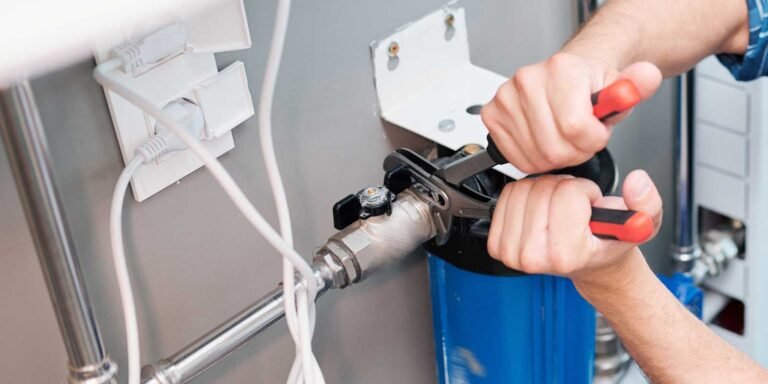
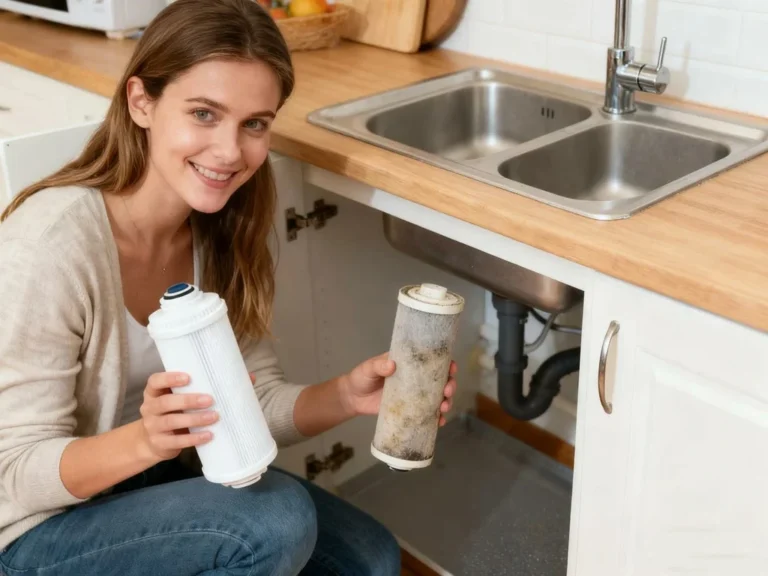
A filter isn’t a permanent solution. Every cartridge has a capacity, and every treatment system has some form of maintenance requirement.
Replacing filters on schedule is essential. If you wait until water tastes noticeably worse, the filter may already have exceeded its useful life.
Keep track of replacement dates. If your system has an indicator, pay attention to it. If professional servicing is recommended, don’t put it off indefinitely.
Good maintenance isn’t glamorous, but it protects the investment you’ve already made.
Quality Isn’t Just About “Pure” Water
Water treatment advertisements often use words like pure, clean, fresh, and healthy. Those terms can sound appealing, but they’re not enough to choose a system.
What matters is whether the equipment addresses a specific, measurable concern.
If taste is the problem, look at systems designed for taste and odor improvement. If hardness is causing scale, consider appropriate hardness treatment. If you’re concerned about a specific contaminant, select technology that is actually designed and tested for it.
In other words, let the water make the decision.
Fresh Water Makes Everyday Routines Better
fresh filtered water may sound like a small luxury, but it can become one of those household improvements you appreciate every day.
You notice it when you fill your bottle before leaving home. You notice it in coffee, tea, cooking, and ice. You may even notice it when guests casually comment that the water tastes good.
The key is not to overcomplicate the process. Understand your water, identify what you want to improve, and choose treatment that fits those goals.
There’s no need to chase the most expensive system or install equipment simply because someone else has it. A thoughtful solution can be much simpler.
Ultimately, good water treatment is about making something ordinary a little better. No fuss, no dramatic transformation—just water that tastes right, works well in the kitchen, and feels like one less thing you need to worry about. And honestly, those are often the improvements that matter most.