Water is often judged by how it looks in a glass. If it is clear, odorless, and cold, most people assume everything is fine. But water quality is more complicated than appearance. One common example is hard water, which can look perfectly normal while leaving behind deposits, affecting cleaning, and slowly creating trouble for plumbing and household appliances.
Hard water is found in many homes, especially in areas where groundwater passes through mineral-rich rock. It is not usually considered dangerous to drink, but it can change the way water behaves around the house. From stubborn marks on bathroom fixtures to dull laundry and reduced appliance efficiency, the effects can become difficult to ignore.
Understanding what hard water contains and how it affects everyday life is the first step toward deciding whether treatment is worth considering.
What Makes Water Hard?
Hardness is mainly caused by dissolved calcium and magnesium picked up as water moves through soil, limestone, chalk, and other geological formations. These minerals enter groundwater naturally and may eventually reach private wells or municipal water systems.
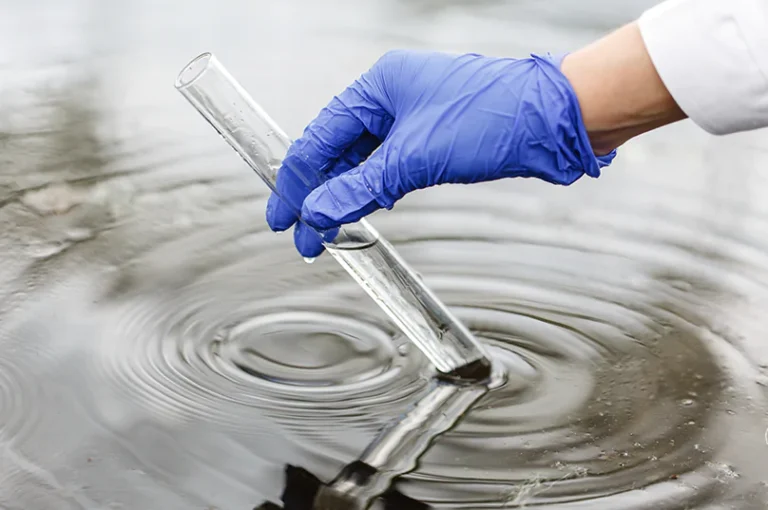
The level of hardness differs from one location to another. Some homes have only mildly hard water, while others deal with significant mineral content. A water test is the most reliable way to determine the actual hardness level rather than guessing based on visible symptoms.
Hard water is not necessarily dirty water. It may contain no sediment or unpleasant odor, and it can still be completely clear. The problem is that dissolved minerals can react with soap, collect on surfaces, and form deposits when water evaporates or is heated.
The Bathroom Is Often the First Place You Notice It
Bathrooms tend to reveal hard-water problems quickly. Showerheads may develop crusty deposits, faucets can become surrounded by white residue, and glass shower doors may lose their clean, polished appearance.
These marks are often mistaken for ordinary dirt. In reality, they may be mineral deposits left behind after water droplets dry. The longer they remain, the more difficult they can be to remove. A quick wipe may work when the buildup is fresh, but older deposits often require stronger cleaning products and plenty of scrubbing.
Hard water can also affect the way bathing feels. Some people notice that their skin feels dry or tight after a shower. Hair may feel less smooth, especially when shampoo does not rinse away easily. These effects vary from person to person, but they can make an otherwise ordinary shower feel less comfortable.
How Hard Water Affects Cleaning
One of the most frustrating effects of hard water is its interaction with soap and detergent. Hardness minerals can reduce the ability of soap to lather effectively. Instead of producing a rich, easy-to-rinse foam, soap may leave behind a cloudy residue.
This residue is commonly known as soap scum. It can collect on bathtubs, sinks, shower walls, and glass doors. Soap scum is not only unattractive; it can also trap dirt and create a surface that feels sticky or rough.
Laundry may suffer as well. Detergent may not work as efficiently in hard water, which can leave clothes feeling stiff or looking dull. Towels may lose their softness, and repeated washing can make fabrics feel less comfortable. Some households compensate by using extra detergent, but that may increase costs without fully solving the problem.
A water softener can help in homes where hardness is high enough to interfere with cleaning. By reducing calcium and magnesium, softened water allows soap and detergent to work more effectively.
The Hidden Problem Inside Pipes and Appliances
The effects of hard water are not limited to visible surfaces. Mineral deposits can also form inside plumbing and equipment, particularly where water is heated or allowed to sit for long periods.
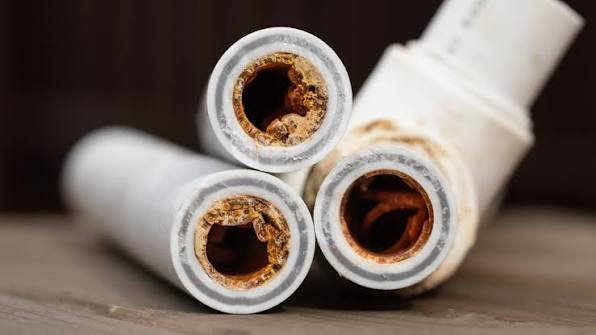
Over time, scale buildup in pipes and appliances can restrict water flow and reduce the efficiency of water-using equipment. Water heaters are especially vulnerable because heat encourages dissolved minerals to separate from the water and settle on internal surfaces.
A layer of scale on a heating element can make it harder for the element to transfer heat efficiently. This may increase energy use and place additional stress on the appliance. Dishwashers, washing machines, coffee makers, humidifiers, and ice makers can also be affected, depending on their design and water exposure.
In severe cases, deposits may narrow the inside of pipes or interfere with valves and fixtures. The damage is not always sudden. Often, it develops gradually, which makes it easy to overlook until water pressure drops or an appliance begins performing poorly.
Why Hard Water Can Increase Household Expenses
Hard water may seem like a minor inconvenience, but its effects can create ongoing costs. Homeowners may spend more on cleaning products, descaling solutions, detergents, and replacement fixtures. Appliances affected by mineral deposits may also require more frequent maintenance.
There can be indirect costs, too. If a water heater becomes less efficient, energy bills may rise. If a faucet aerator or showerhead becomes clogged, water flow may become inconsistent. These are not always dramatic expenses individually, but they can add up over months and years.
Treating hard water does involve an upfront investment, so not every home needs a softener. The decision should depend on the hardness level, the severity of the problems, household water usage, and the condition of existing appliances.
Testing Water Before Choosing Treatment
A water test should come before purchasing treatment equipment. Testing can determine whether hardness is actually the main issue and whether other concerns, such as iron, manganese, sediment, or unusual pH, are also present.
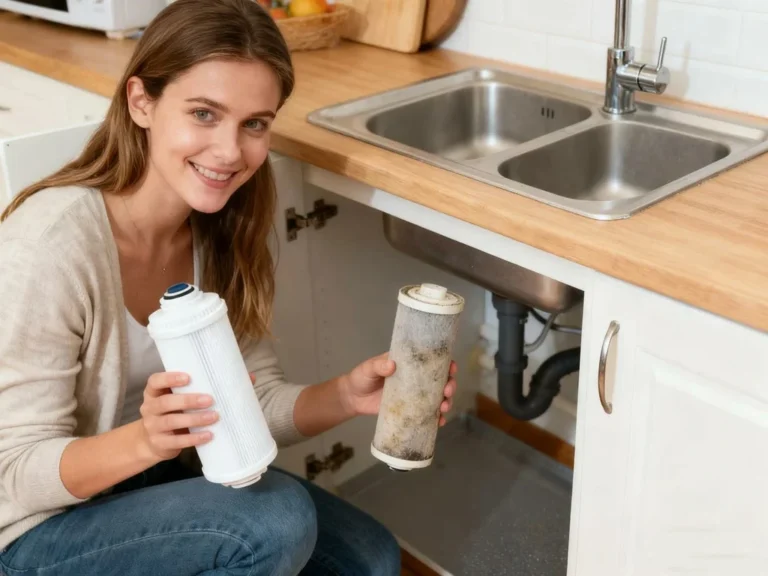
This matters because different water problems require different solutions. A carbon filter may improve taste and odor, but it does not remove hardness minerals in the same way a conventional softener does. Likewise, a drinking-water filter may improve water at one faucet without protecting the rest of the plumbing.
For homeowners using private wells, regular testing is especially important. Well-water conditions can change over time, and hardness may be only one part of the overall water-quality picture.
How Water Softeners Help
Traditional water softeners use a process called ion exchange to reduce calcium and magnesium. Water passes through a resin tank, where hardness minerals are exchanged for sodium or potassium ions. The treated water then moves through the home with a lower tendency to form scale.
Modern systems may include demand-based regeneration, which allows the unit to regenerate according to actual water use. This can help reduce unnecessary salt and water consumption compared with older timer-based models.
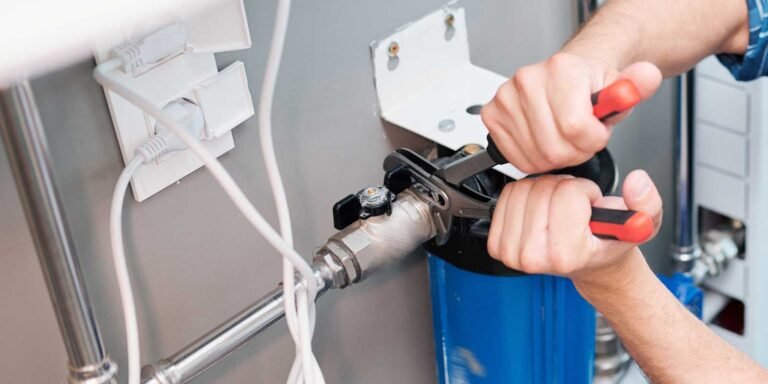
However, softeners require maintenance. Salt or potassium chloride must be replenished, and the system should be checked periodically. Proper sizing is also important. A system that is too small may regenerate frequently, while an oversized unit may cost more than needed.
Is Hard Water Always a Serious Concern?
Hard water is generally not considered a major health hazard, and many people drink it without experiencing health problems. In fact, calcium and magnesium are naturally occurring minerals that the body needs in appropriate amounts.
The concern is usually related to household performance rather than immediate safety. Hard water can make cleaning more difficult, leave deposits on fixtures, and reduce the efficiency of appliances. For some families, these issues are enough to justify treatment. For others, occasional cleaning and maintenance may be all that is necessary.
The right choice depends on practical needs rather than fear-based claims.
A Clearer Path Toward Better Water Management
Hard water is easy to overlook because it rarely announces itself dramatically. Instead, it appears through small signs: a cloudy shower door, rough laundry, a faucet that never seems to stay clean, or an appliance that needs frequent descaling.
Once you understand the role of dissolved minerals, these problems become easier to identify. Testing the water can confirm whether hardness is present and help determine whether treatment makes financial sense.
Whether you choose a water softener, adjust your cleaning routine, or simply monitor the condition of your plumbing, the goal is the same: to manage water in a way that protects your home and makes everyday life a little easier. Sometimes, solving a small water problem early is the best way to prevent a much larger one later.