Most homeowners don’t wake up thinking about water quality. There are bills to pay, meals to make, laundry waiting in a basket and a dozen small jobs competing for attention. Water is supposed to work quietly in the background.
But every now and then, it gives you a reason to notice it.
A shower door becomes cloudy. The faucet has a stubborn ring around its base. You pour a glass of water and detect a faint smell that wasn’t there before. Maybe there are tiny particles sitting at the bottom of a pitcher. These things can be easy to dismiss, especially when they’ve appeared gradually.
Still, your home’s water can tell you quite a bit if you pay attention. Sometimes those little changes are simply signs of mineral-rich water. Other times, they may point to sediment, plumbing issues or a need for more specific testing.
The sensible response isn’t panic. It’s curiosity.
Taste Can Change Without Warning
One of the first things people notice is taste. Water may suddenly seem slightly metallic, earthy or chlorine-like. Sometimes the change is subtle enough that you’re not even sure whether you’re imagining it.
Water can pick up characteristics from its source and from the plumbing it travels through. Municipal treatment methods, private wells, minerals and household pipes can all influence the final taste at the faucet.
If you’re looking for enhanced taste & odor, filtration can sometimes make a noticeable difference, particularly when activated carbon or another appropriate media is used. But the filter needs to be selected according to the actual concern.
A filter shouldn’t be chosen just because the packaging says “advanced.”
Sediment Is More Than an Eyesore
Finding particles in drinking water can be unsettling, even when the amount is tiny.
Sediment can come from several sources. Private wells may contain naturally occurring particles, while plumbing disturbances or changes in the water supply can introduce sediment into the line. Older pipes can also contribute to visible debris.
A sediment filter can help capture suspended particles, but it isn’t designed to solve every water-quality problem.
If you’re noticing recurring sediment and impurities, it’s worth determining where they’re coming from before installing equipment. A glass of water can provide a clue, but proper testing can provide a much clearer answer.
Hard Water Leaves Its Own Signature
Some water-quality problems are incredibly recognizable once you’ve seen them enough times.
White spots on shower glass. Chalky deposits around faucets. A showerhead with tiny openings that seem increasingly blocked. Dishes that never look quite spotless.
These are common signs associated with hard water, which contains elevated levels of minerals such as calcium and magnesium.
Hard water isn’t automatically unsafe to drink. Its biggest household effects tend to involve cleaning, plumbing and appliances. Over time, mineral deposits can accumulate on surfaces and inside equipment that repeatedly handles water.
That can turn a simple cleaning job into a recurring chore.
Your Plumbing Deals With the Water Every Day
Think about your home’s plumbing system for a moment.
Every shower, laundry cycle, dishwasher load and glass of water sends water through pipes, valves and fixtures. If the water contains high levels of minerals or sediment, those components are exposed repeatedly.
This is one reason safeguarding plumbing should be part of the broader water-treatment conversation. Managing hardness and filtering specific particles can potentially reduce the material that accumulates in parts of the system.
Of course, treatment isn’t a guarantee against plumbing problems. Pipes age, fittings fail and corrosion can happen for many reasons. But understanding your water is still a useful piece of preventive maintenance.
Water Heaters Deserve Special Attention
Water heaters can be particularly affected by mineral-rich water because they heat water repeatedly.
As minerals and sediment settle inside a tank, deposits can accumulate around heating surfaces. Some homeowners eventually notice popping, cracking or rumbling noises from the unit.
That doesn’t automatically mean the heater is about to fail. Still, unusual noises shouldn’t be ignored indefinitely.
Regular flushing and manufacturer-recommended maintenance can help. If hard water is a major concern, addressing the incoming water may also be worth discussing with a qualified professional.
Don’t Assume a Filter Solves Everything
This is one of the easiest mistakes to make.
A filter is not simply a universal “make water better” device. Different filtration technologies are designed around different targets.
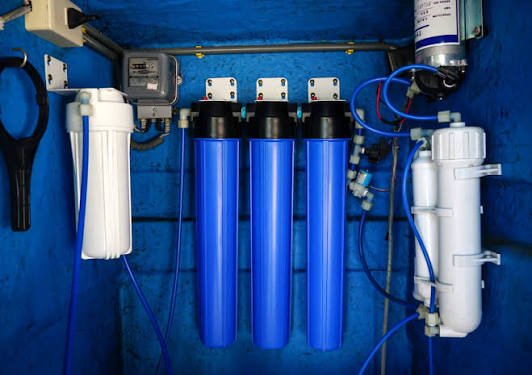
Sediment filters capture particles. Carbon filters are often used for chlorine, taste and odor. Specialized systems may be designed for particular dissolved substances.
Water softeners are different again. They are primarily used to reduce hardness minerals rather than functioning as general-purpose filters.
Knowing these differences can save you money. It also prevents disappointment when a system doesn’t address a problem it was never designed to treat.
Testing Gives You Something Better Than Guesswork
A water test may not be the most exciting household project, but it’s one of the most useful.
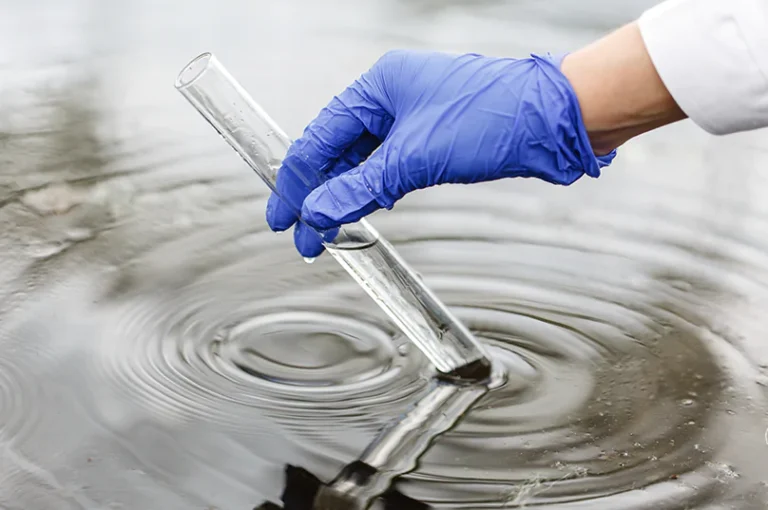
Testing can help identify hardness, pH, sediment and other characteristics depending on the type of analysis performed. If you’re concerned about a particular contaminant, targeted testing may be appropriate.
Private well owners should be especially attentive because groundwater conditions can change. Seasonal changes, nearby land activity and other factors can influence well water.
Even municipal water users may benefit from testing when there’s a persistent change in taste, odor or appearance.
The goal isn’t to test for everything imaginable. It’s to get enough information to make a sensible decision.
Whole-Home or Point-of-Use?
Once you’ve identified the problem, another question appears: where should treatment happen?
A whole-home system treats water for multiple fixtures, which can make sense when the concern affects the entire household supply.
Point-of-use treatment, such as a kitchen filtration system, may be more practical when the primary concern is drinking and cooking water.
Neither approach is automatically superior. It depends on what you’re trying to accomplish.
If the shower, laundry and plumbing are all affected by hardness, treating only the kitchen faucet won’t address the broader issue. If your only concern is drinking-water taste, installing a large whole-home system might be unnecessary.
Think about the problem first.
Maintenance Is Part of the Deal
Water treatment equipment needs attention just like any other home system.
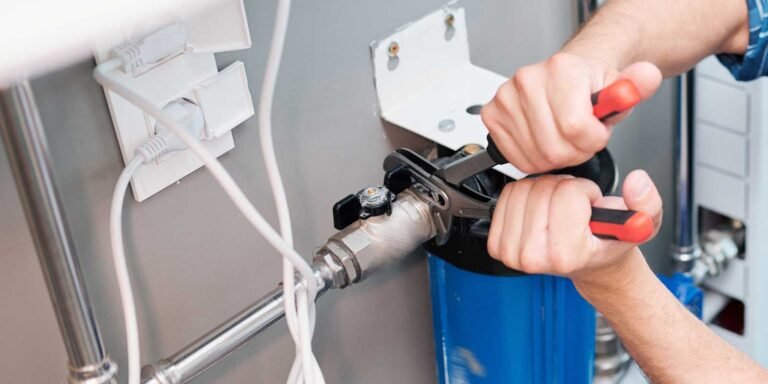
Filters eventually become saturated. Softening equipment needs routine care. Housings, valves and connections should be inspected when appropriate.
Before installation, ask how often maintenance is required and what it costs. Find out whether replacement filters are readily available and whether professional service is offered.
A system that’s easy to maintain is more likely to perform well over the years.
Don’t Chase Perfection
There’s a natural temptation to think that the more treatment you add, the better your water will become.
Not necessarily.
Water contains naturally occurring minerals, and not every mineral needs to be removed. Treatment should focus on genuine concerns rather than creating an unnecessarily complicated setup.
If hardness is the problem, address hardness. If sediment is present, investigate filtration. If taste and odor are the concern, choose a technology designed for those characteristics.
Simple can be surprisingly effective.
Pay Attention to the Quiet Signs
Good water quality isn’t something you should have to think about every time you turn on the faucet.
When treatment is appropriate and properly selected, the benefits can be fairly ordinary: fewer deposits, cleaner fixtures, better-tasting water, easier maintenance and less stress about what’s moving through the plumbing.
The process starts with noticing the signs. Then comes testing, understanding the results and choosing equipment that actually fits the situation.
You don’t need to become a water-treatment expert overnight. You just need enough information to make a thoughtful choice.
Sometimes the best solution is a filter. Sometimes it’s a softener. Sometimes it’s a combination of treatments. And occasionally, testing shows that no major change is necessary.
That’s the nice thing about taking an evidence-based approach. You aren’t guessing anymore. You’re simply giving your home’s water the attention it deserves—and making everyday life a little easier in the process.