The kitchen is probably the one place in your home where water gets used more than you realize. You drink it, boil it, wash vegetables with it, make coffee, fill pots, rinse dishes, and use it in recipes without giving the water itself much thought.
That changes when something seems off.
Maybe there’s a faint taste in your morning coffee. Perhaps your drinking glass develops spots, or you find yourself buying bottled water because the tap water just isn’t appealing. These aren’t necessarily dramatic problems, but they can become annoying when they show up every single day.
Improving kitchen water doesn’t always require an elaborate solution. The smartest approach is usually to understand what you’re dealing with first, then choose treatment that fits the actual need.
Start by Paying Attention to Your Water
Before buying a filter or treatment system, take a few days to notice what your water is doing.
Does it have an unusual taste or odor? Do you see sediment? Are there mineral spots around the faucet? Does the water look cloudy after sitting in a glass?
Your observations won’t replace proper testing, but they can help you identify patterns.
For example, a noticeable chlorine taste may point toward a different treatment need than excessive hardness. A metallic taste could have several possible causes. Cloudiness might be related to particles, air, or another water-quality issue.
The point is simple: don’t guess when you can investigate.
Taste Matters More Than People Admit
Most of us know we should drink enough water, but actually wanting to drink it is another matter.
When tap water tastes unpleasant, people often find workarounds. They chill it heavily, add flavoring, buy bottled water, or simply reach for another beverage.
For households trying to make tap water more appealing, better-tasting water for drinking and cooking can be a surprisingly meaningful improvement.
Good-tasting water doesn’t need to be fancy. It just needs to be clean, fresh, and pleasant enough that you don’t hesitate before filling your glass.
And when that same water is used for tea, coffee, rice, soup, or pasta, the difference can become noticeable in small ways.
The Kitchen Sink Is a Useful Place to Focus
Whole-home treatment makes sense when water-quality concerns affect the entire property. But if your main concern is what you drink and cook with, treating water at the kitchen sink can be a practical option.
Point-of-use systems are designed to provide treated water exactly where it’s needed.
Depending on the system, this might involve carbon filtration, reverse osmosis, or another treatment method. The right technology depends on the characteristics of the source water and the contaminants or taste issues you’re trying to address.
A well-designed system can provide improved water quality at the kitchen sink without requiring every faucet in the house to receive the same level of treatment.
That’s especially useful when the kitchen is the main place where treated water is actually needed.
Testing Can Prevent the Wrong Purchase
It’s tempting to choose a filter based on reviews, advertisements, or what worked for a friend.
But water conditions can vary dramatically between homes, even within the same neighborhood.
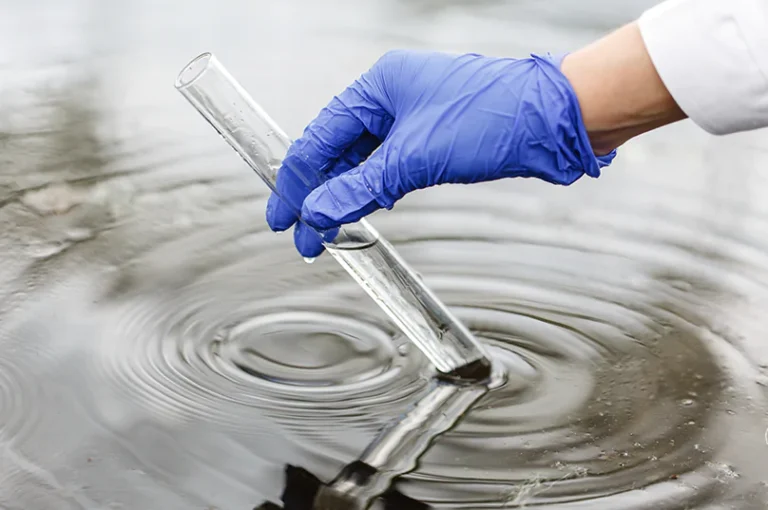
A water test gives you useful information about characteristics such as hardness, pH, dissolved minerals, and certain contaminants. Municipal water customers may be able to review their supplier’s published water-quality reports, while private well owners generally have more responsibility for testing their own supply.
Testing doesn’t have to turn into a complicated science project.
The main goal is to understand whether you have a taste issue, a hardness problem, a specific contaminant concern, or a combination of factors.
Once you know that, selecting treatment becomes much easier.
Not Every Filter Does the Same Job
This is one of the most important things to understand before purchasing a water-treatment product.
A basic carbon filter may improve certain tastes and odors. A water softener addresses hardness. Reverse osmosis can reduce a broad range of dissolved substances, depending on the membrane and system design.
These technologies aren’t interchangeable.
If you’re primarily dealing with hard water, installing a drinking-water filter may not solve scale buildup throughout the house. Likewise, a softener isn’t intended to replace a drinking-water filtration system when a specific contaminant needs to be addressed.
Think about the problem first, then match the technology to it.
Convenience Makes a Difference
A treatment system can be technically excellent and still be frustrating if it’s inconvenient to use.
Consider how much water your household consumes. If everyone fills a bottle before leaving for work or school, a system with adequate production and storage capacity becomes important.
Under-sink systems are popular partly because they keep treatment equipment out of sight while providing treated water through a dedicated faucet.
Tankless systems may save space, while tank-based systems can provide stored treated water for quick access. Neither is automatically better. Your household’s habits should guide the choice.
Maintenance Is Part of Water Quality
A filter only works properly when it’s maintained.
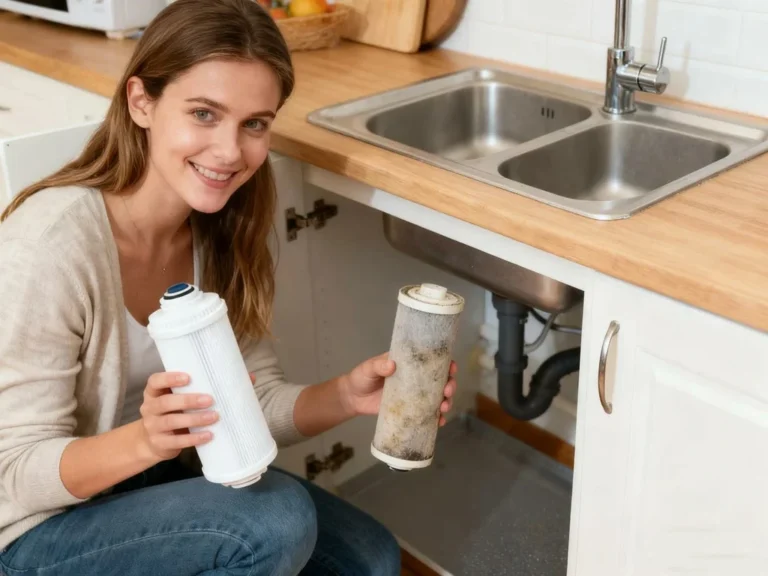
That sounds obvious, yet it’s easy to forget. A cartridge can sit under the sink for months because everything looks normal from the outside.
Manufacturers generally provide replacement schedules based on time, usage, or both. Following those recommendations helps keep the system performing as intended.
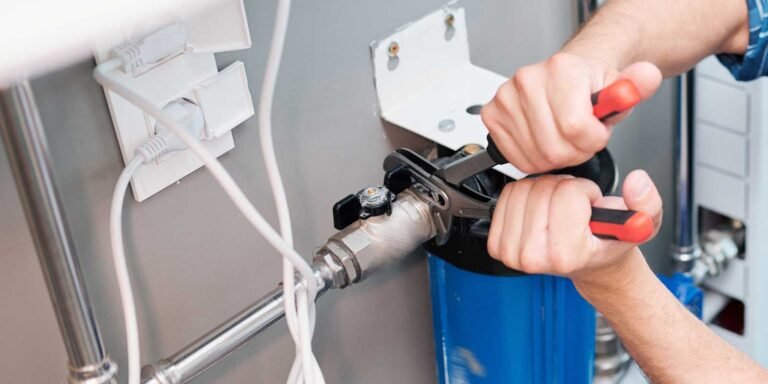
It’s also worth checking connections occasionally for leaks and making sure the equipment remains accessible.
A little maintenance is much easier than discovering a neglected filter after it has been forgotten for a year.
Think About the Bigger Picture
Improving kitchen water isn’t necessarily about creating laboratory-perfect water.
For most households, it’s about solving practical frustrations.
Maybe you want coffee that tastes better. Maybe you’re tired of buying bottled water. Perhaps you simply want to know more about what’s coming out of the faucet.
That last point matters. Understanding your water can give you more confidence in everyday water use, particularly when you’re making meals, filling children’s bottles, preparing drinks, or simply trying to maintain a healthier household routine.
Confidence doesn’t come from buying the most expensive system. It comes from knowing what your water needs and choosing treatment accordingly.
A Small Upgrade Can Become an Everyday Convenience
Water quality is easy to overlook because it’s always there.
You turn the faucet on without thinking. You fill the kettle. You rinse vegetables. You cook dinner. Life moves on.
But when water tastes better, smells fresher, or simply feels more reliable, those ordinary moments can become a little easier.
Start with testing and observation rather than assumptions. Understand the difference between filtration, softening, and other treatment methods. Choose a system that matches your household’s actual water use, and keep up with maintenance once it’s installed.
You don’t need to overcomplicate it.
The goal is straightforward: make the water you rely on every day work better for the way you actually live. Sometimes a small improvement at the kitchen sink is enough to make a surprisingly noticeable difference.