At first, it might be something small: a few white spots on your glasses, a chalky ring around the faucet, or soap that never seems to rinse quite clean. Then the showerhead starts collecting mineral deposits, the kettle develops scale, and you’re suddenly spending far too much time cleaning things that should be easy to clean.
For many homeowners, a water softener can help reduce these everyday frustrations. But choosing one isn’t as simple as picking the first system that appears in a search result. There are different technologies, different capacities, and different ways these systems operate.
Two options you’ll often encounter are electric and non-electric models. Neither is automatically better. The sensible choice depends on your water, household size, plumbing setup, maintenance preferences, and how much automation you want.
First, Understand What a Softener Actually Does
Water hardness is mainly associated with calcium and magnesium dissolved in the water. These minerals are naturally picked up as water moves through soil and rock.
Hard water isn’t generally considered a health problem at typical levels, but it can create plenty of household annoyances. Mineral deposits can form on fixtures, soap can leave residue, and appliances that heat water may experience scale accumulation.
A conventional softener uses an ion-exchange process to reduce hardness minerals. In a typical salt-based system, calcium and magnesium are exchanged for sodium or, in some setups, potassium.
Understanding this basic function is useful because a water softener isn’t a universal purifier. It isn’t designed to remove every contaminant, and if your water has additional problems, you may need other treatment equipment.
When an Electric Model Makes Sense
For homeowners who appreciate automation, electric water softeners can be an attractive choice.
These systems typically use electronic controls to manage regeneration schedules and other operating functions. Depending on the model, settings may be adjusted according to household water consumption, time, or other programmed parameters.
That automation can be convenient. You don’t necessarily have to think about when the system should regenerate because the control system handles much of the scheduling.
Electric systems do, however, require access to power. That means the installation location needs a suitable electrical connection, and homeowners should consider what happens during a power outage.
For most households, an outage isn’t a major concern because many systems can resume normal operation afterward. Still, it’s a detail worth understanding before installation rather than after.
The Appeal of Simpler Mechanical Designs
Not everyone wants another electronic device connected to their home.
Non-electric water softeners typically rely on mechanical controls or water-powered operation rather than requiring a conventional electrical connection. For some homeowners, the appeal is straightforward: fewer electrical components and a simpler operating concept.
These systems can be particularly interesting for properties where access to electrical power near the installation location is inconvenient.
But “non-electric” doesn’t mean maintenance-free. The system still needs to be correctly sized, serviced, and supplied with whatever consumables its design requires.
It’s also important to compare actual operating characteristics rather than assuming that no electricity automatically means lower total cost. Water usage, regeneration behavior, installation, and maintenance all contribute to long-term expenses.
Don’t Choose Based on Technology Alone
It’s easy to get caught up in the electric-versus-non-electric debate.
But the more important question is whether the system is appropriate for your water.
A softener needs to be sized according to hardness level and household water demand. A system that’s too small may regenerate frequently or struggle to keep up. One that’s much larger than necessary may cost more without providing meaningful benefits.
Household size matters too. A two-person home with moderate water use has very different requirements from a busy household with several bathrooms.
Peak flow is another consideration. The system needs to provide treated water while still allowing the household to use multiple fixtures comfortably.
Testing Should Come Before Equipment
Before deciding on a softener, find out what’s actually in the water.
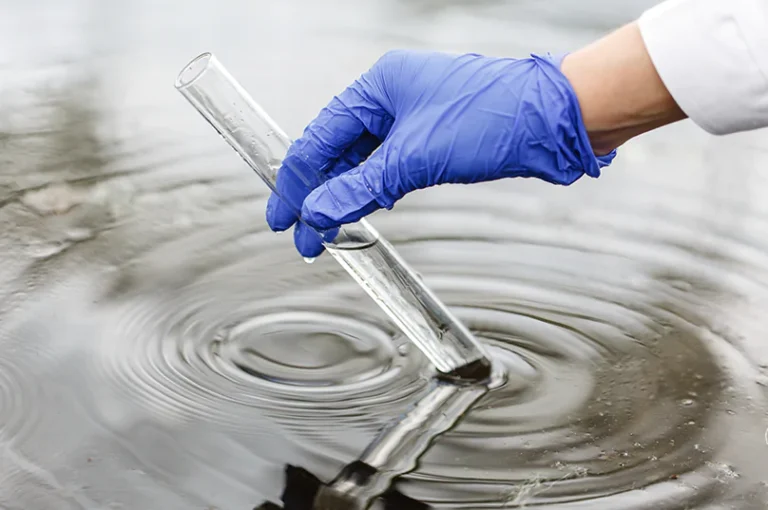
Professional water testing & analysis can provide useful information about hardness and other water characteristics that may influence the treatment plan. Depending on the water source and testing objectives, analysis might include iron, manganese, pH, sediment, bacteria, dissolved solids, or other parameters.
This is particularly important for private wells. Groundwater can vary from property to property, and changes in environmental conditions or well equipment can affect water quality.
Testing can also reveal that hardness isn’t the only concern. If iron or sediment is present, for example, a softener may need to work alongside other treatment equipment.
That’s much better than buying a system based on a guess.
Think About Regeneration and Water Use
Traditional salt-based softeners periodically regenerate to restore their ability to exchange hardness minerals.
During regeneration, the system uses water and salt or another regenerant. How often that happens depends on the system design, water hardness, household consumption, and settings.
This is an area where efficiency matters.
A properly configured system can help avoid unnecessary regeneration. An incorrectly sized or poorly configured system may use more resources than necessary.
When comparing equipment, don’t just ask how much the unit costs. Ask how it operates, how often it regenerates, and what ongoing supplies or maintenance it requires.
Installation Is More Important Than It Looks
A water softener has to work with the existing plumbing, drainage, and water supply.
The installation location needs enough space for the equipment and routine maintenance. Regeneration-based systems generally require an appropriate drain connection, and the plumbing configuration needs to allow the system to be bypassed when necessary.
Water pressure should also be considered. The system shouldn’t create an unnecessary restriction that becomes noticeable during normal household use.
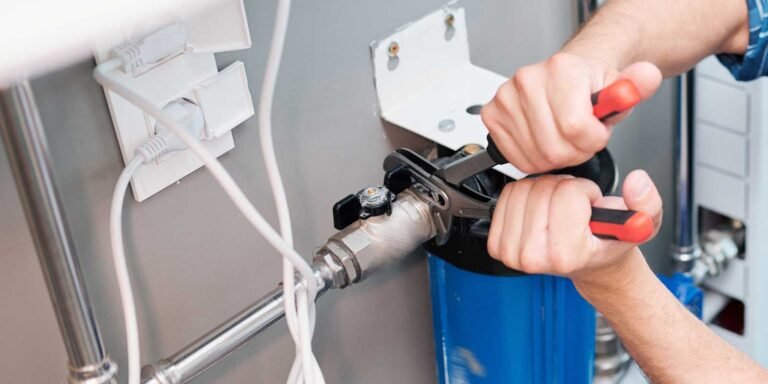
For larger or more complicated installations, professional installation can help ensure the system is configured correctly from the beginning.
Maintenance Is Part of Ownership
The easiest time to forget about maintenance is when everything is working perfectly.
Then, months later, the water starts feeling different and you realize the system hasn’t been checked since installation.
Salt-based systems need appropriate salt management. Filters in associated treatment systems require replacement. Components should be inspected, and settings may need adjustment as household circumstances change.
Keep a basic service record. It doesn’t need to be complicated. A note on your phone with installation dates, filter changes, and service appointments is enough.
Regular attention can help keep the system operating efficiently and catch small issues before they become expensive repairs.
Look at the Long-Term Cost
The purchase price is only one part of the equation.
Consider installation, electricity if applicable, salt or regenerant use, water consumption, replacement parts, servicing, and expected equipment life.
An inexpensive system may not remain inexpensive if it requires frequent maintenance or uses more resources than expected.
Likewise, paying extra for advanced features doesn’t make sense if you won’t use them.
Choose the features that solve a real problem.
A Good Choice Should Feel Boring
That’s actually a compliment.
Once a water softener is properly selected, sized, installed, and maintained, it should quietly do its job. You shouldn’t need to think about it every morning while taking a shower.
The decision between electric and non-electric equipment comes down to more than preference. Consider your water quality, household demand, installation conditions, operating costs, and willingness to manage the system.
Most importantly, test the water before making the purchase.
A little homework at the beginning can prevent a lot of frustration later. And when the right system is finally in place, the reward is pleasantly ordinary: fewer mineral deposits, easier cleaning, better-performing fixtures, and water that simply feels better to live with.