Good water is easy to overlook. Most mornings, you turn on the tap without thinking about it. You fill the coffee maker, take a shower, rinse the breakfast dishes and get on with the day. Water only becomes interesting when something feels different—a strange smell, mineral spots on the sink, an odd taste, or perhaps a concern after receiving a water-quality report.
That moment often sends homeowners searching for answers, and that’s where things can get confusing. There are softeners, filters, reverse osmosis systems, conditioners, disinfection equipment and plenty of products with impressive-sounding names. How do you know what actually belongs in your home?
The simplest answer is also the most sensible one: start with the water, then choose the technology.
Know What You’re Trying to Fix
Before installing anything, identify the problem.
If the water leaves white scale around your faucets, hardness may be involved. A metallic taste or orange staining could point toward iron. Cloudiness may be caused by sediment or simply trapped air. An unpleasant odor can have several possible causes.
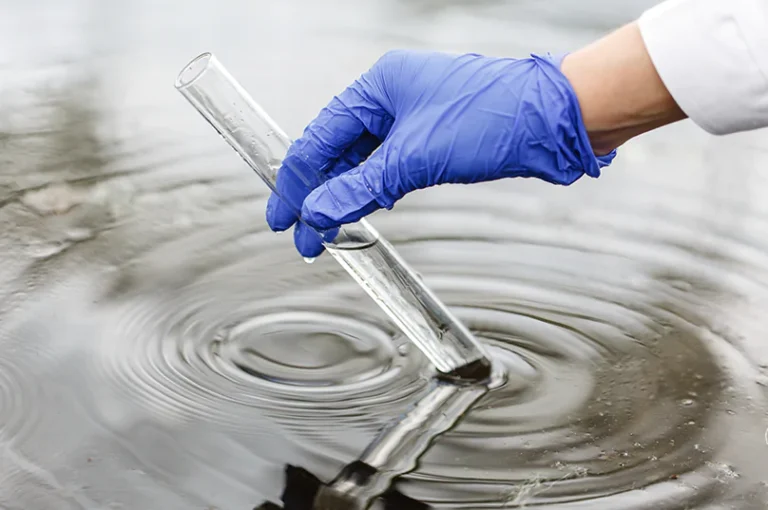
Testing is useful because some water-quality issues can’t be detected by taste or appearance. Depending on your water source, testing may examine hardness, pH, minerals, microorganisms and specific contaminants.
It isn’t necessary to treat every possible thing that could theoretically be in water. Focus on what testing and your household experience actually tell you.
When Disinfection Is Part of the Plan
Filtration and disinfection do different jobs. A sediment filter can capture particles, but it isn’t designed to provide the same function as a system intended to control microorganisms.
For certain water sources and treatment goals, uv / ozone disinfection may be considered. Ultraviolet systems use UV energy to inactivate microorganisms as water passes through the treatment chamber. Ozone takes a different approach, using oxidation.
Neither should be treated as a magic button. System design matters. Water clarity, flow rate, maintenance and incoming water quality can all influence performance. A professional assessment is particularly useful when disinfection is being considered for private well water or another source with microbiological concerns.
Hard Water Is More of a Household Problem
Hard water is generally associated with calcium and magnesium. These minerals aren’t necessarily something homeowners need to fear, but they can create a long list of irritating chores.
There’s the scale on the shower door. The chalky ring around the faucet. The feeling that soap isn’t rinsing properly. Then there are the less visible deposits that can accumulate inside water heaters and appliances.
Traditional softeners can reduce hardness minerals, while other technologies are designed to manage scale without removing hardness in the same way.
The best choice depends on what you’re trying to accomplish. If the goal is actually removing hardness, make sure the system you’re considering is designed to do that.
Why Some Homeowners Prefer Salt-Free Options
Not everyone wants to store bags of salt or manage a traditional softener’s regeneration cycle. For some households, that makes alternative approaches attractive.
salt-free systems generally focus on conditioning the water to reduce the tendency of minerals to form scale rather than removing calcium and magnesium through conventional ion exchange.
That’s an important distinction. A salt-free conditioner isn’t simply a traditional softener without salt. It works differently, so homeowners should have realistic expectations about what it can and cannot accomplish.
If your main concern is protecting fixtures and reducing scale, this type of system may be worth exploring. If you specifically want hardness minerals removed from the water, another technology may be more appropriate.
Drinking Water Is a Separate Conversation
The water used for showers and laundry doesn’t necessarily need to receive the same treatment as the water you drink.
Some homeowners are happy with their whole-house water but want additional filtration in the kitchen. Others have specific concerns about dissolved substances and prefer a more advanced drinking-water system.
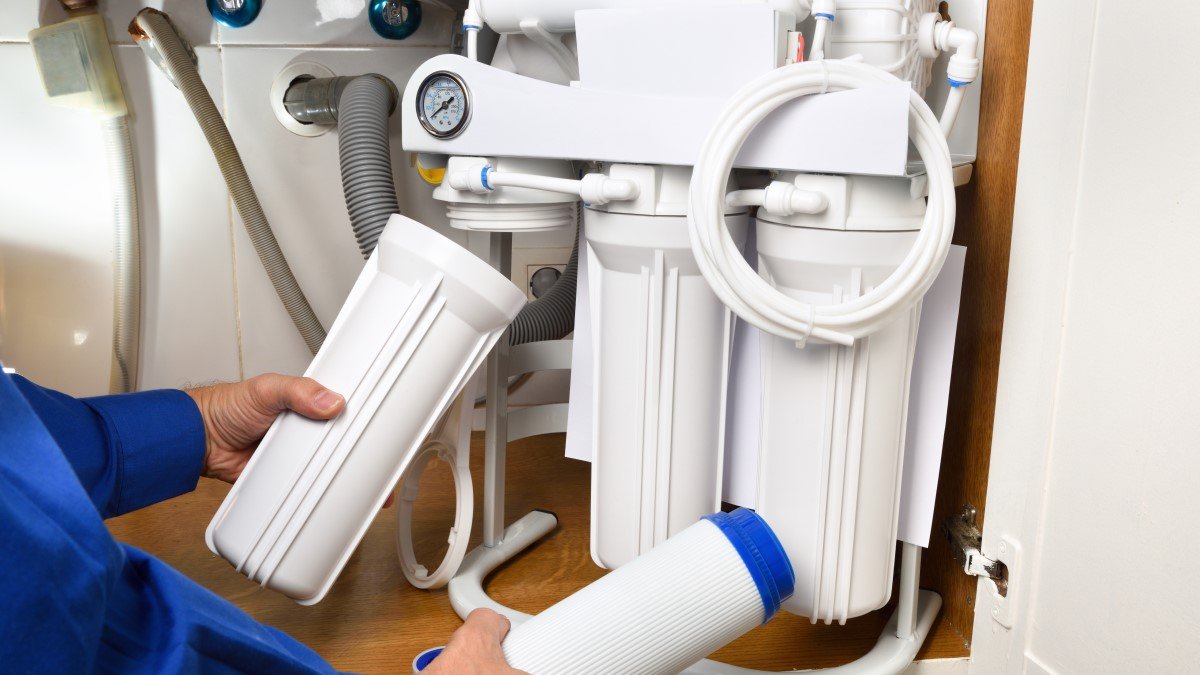
Point-of-use filtration can be a practical solution because it concentrates treatment where it’s most important. An under-sink system, for example, can provide treated water for drinking and cooking without treating every gallon used for toilets or outdoor taps.
That can make sense from both a practical and financial perspective.
What About Alkaline Water?
Alkaline water has become increasingly familiar in kitchens, gyms and wellness conversations. Some people enjoy its taste, while others are interested in water with a higher pH.
Systems producing alkaline / ionized water can raise water pH through mineral addition or electrolysis, depending on the equipment.
It’s worth keeping health claims in perspective, though. Alkaline water isn’t a cure for disease, and the body’s systems regulate blood pH very tightly. Claims that a particular drinking water can dramatically “detox” the body should be approached with caution.
If you enjoy the taste and understand what the system is doing, that’s a different matter. Personal preference is a perfectly reasonable reason to choose a drinking-water treatment system.
Don’t Ignore Taste and Odor
Water doesn’t have to be unsafe to be unpleasant.
Chlorine is commonly associated with the taste or smell of treated municipal water. Sulfur compounds can create a rotten-egg odor, while iron can produce metallic notes and staining.
The first step is figuring out where the smell originates. Does it occur at every faucet? Only with hot water? Does it disappear after the water runs for a while?
Those details can help narrow down the cause.
Carbon filtration can improve certain taste and odor concerns, but the appropriate treatment depends on what’s actually responsible for the problem.
Think About Flow Rate Before Installation
A treatment system has to keep up with the home.
A family of five taking morning showers while a dishwasher and washing machine are running creates very different demand from a single-person household.
System sizing should take peak flow into account. An undersized system may create pressure problems or struggle to meet demand. An unnecessarily large system, meanwhile, can increase purchase and operating costs without providing a meaningful benefit.
Installation space matters too. Some equipment needs drainage, electricity or enough clearance for routine maintenance.
These details aren’t particularly exciting, but they’re the things that determine whether a system works comfortably in everyday life.
Maintenance Is Easy to Forget
Water treatment equipment tends to live in places nobody visits very often. That makes maintenance surprisingly easy to forget.
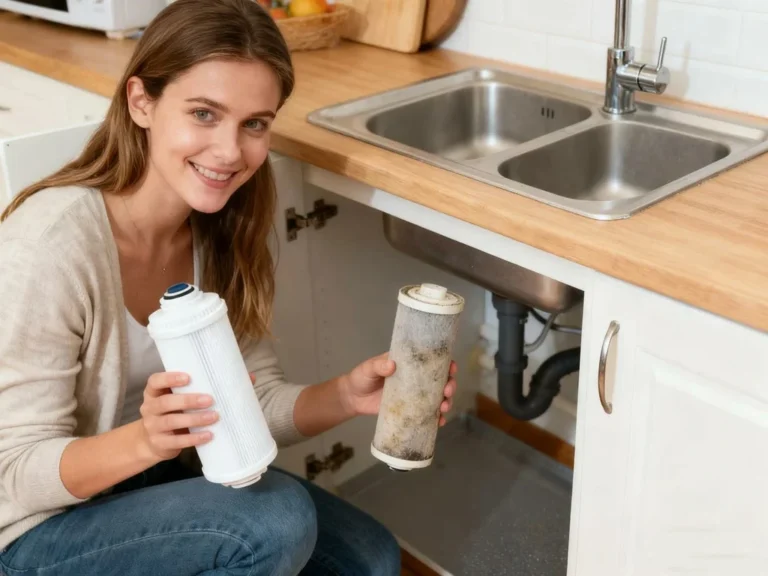
Filters need replacement. UV components have service requirements. Conditioning equipment may need inspection. Other systems require periodic cleaning or replacement media.
Before buying, ask what the maintenance schedule looks like and what replacement parts cost.
A system that performs brilliantly for six months and then gets neglected isn’t a successful long-term solution.
Don’t Let the Most Expensive System Win
There is a common assumption that more treatment must mean better water. Not necessarily.
If your only concern is chlorine taste, you may not need a complicated multi-stage system. If testing reveals a specific contaminant, however, specialized treatment may be justified.
The right system is the one that addresses the actual problem while fitting your budget, water usage and maintenance habits.
Ask what a system removes, what it doesn’t remove, how it should be maintained and whether its performance claims are supported by credible testing or certification.
A Sensible Water Plan Doesn’t Need to Be Complicated
The best home water-treatment decisions usually begin with a fairly ordinary question: what’s wrong with the water?
Once you have an answer, the rest becomes easier.
Maybe you need filtration for taste and odor. Perhaps hardness is causing scale throughout the home. Maybe disinfection is appropriate for your water source. Or you might simply want better-tasting drinking water at the kitchen sink.
Whatever the goal, don’t choose equipment because it has the longest feature list. Choose it because it makes sense for your water.
When treatment is properly matched to the problem, the benefits are wonderfully unremarkable. Cleaner fixtures. Better-tasting water. Less scale. Fewer unpleasant surprises.
In a busy home, that’s more than enough. Water treatment doesn’t need to be something you constantly think about. Ideally, it just works quietly in the background while you get on with everything else.