There are some household problems that announce themselves loudly. A leaking pipe is one. A broken water heater is another. Hard water is different. It tends to creep into everyday life quietly, leaving little clues behind until you finally wonder why the shower glass never looks clean or why your dishes always seem to have spots.
The water itself may look perfectly normal. Fill a glass and it can be completely clear, with nothing obviously wrong. Yet after a few weeks or months, mineral deposits begin appearing around faucets, appliances develop a chalky coating, and cleaning seems to require more elbow grease.
Understanding why this happens is the first step toward dealing with it. Hard water isn’t mysterious once you know what’s actually happening inside your plumbing and on the surfaces around your home.
What Makes Water Hard?
Hardness comes primarily from naturally occurring minerals picked up as water moves through rock and soil. Calcium and magnesium are the main contributors.
The amount can vary significantly depending on local geology and the source of the water. Groundwater, particularly from private wells, can sometimes contain substantial levels of these minerals.
These hardness minerals aren’t usually visible while they’re dissolved in water. That’s why hardness can go unnoticed at first. The clues tend to appear later, after the water interacts with surfaces, soap and heated appliances.
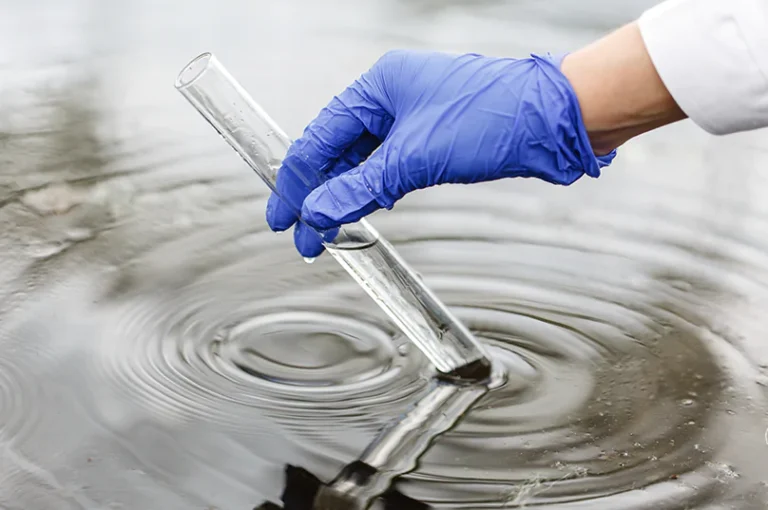
A water test is the most reliable way to determine how hard your water actually is. Guessing based on spots or taste can give you a hint, but testing provides useful numbers for deciding whether treatment is necessary.
The Trouble With Mineral Deposits
One of the most recognizable signs of hard water is the gradual appearance of white or cloudy deposits.
You may see them around faucet bases, on showerheads or along the edges of a sink. Over time, scale buildup on fixtures can become stubborn enough that ordinary household cleaners struggle to remove it.
Scale isn’t simply a cosmetic annoyance. Mineral deposits can restrict small openings in aerators and showerheads, potentially reducing water flow. They can also accumulate inside plumbing and water-using equipment.
How quickly this happens depends on water hardness, temperature, water use and other factors. A home with moderately hard water may see little trouble for years, while another property with much harder water can develop visible deposits fairly quickly.
Why Heated Water Can Make Things Worse
If you’ve ever looked inside an old kettle and found a rough mineral layer, you’ve seen the basic idea in action.
Heating hard water can encourage minerals to come out of solution and form scale. That’s one reason appliances that heat water deserve particular attention.
Water heaters, dishwashers, coffee makers and other equipment may accumulate mineral deposits over time. The exact effect varies by appliance and water chemistry, but reducing excessive scale can be helpful for equipment that regularly handles heated water.
This doesn’t mean every appliance exposed to hard water will fail prematurely. Maintenance, design and usage all matter. Still, mineral buildup is one more thing the equipment has to deal with.
The Soap Problem Nobody Talks About
Hard water can also make cleaning feel strangely difficult.
Soap reacts with calcium and magnesium, creating an insoluble material that can cling to surfaces. The result may be soap and detergent residue around bathtubs, sinks, shower walls and other areas.
You might use more soap because it doesn’t seem to lather properly. Then you use more water trying to rinse everything away. It’s a small cycle, but over time it can become frustrating.
Laundry can be affected, too. Depending on water hardness and detergent formulation, clothes may feel less soft or appear dull after repeated washing.
Modern detergents are formulated to work across a range of water conditions, so the impact isn’t identical in every home. Still, significant hardness can make cleaning less straightforward than it needs to be.
Why Shower Glass Is Such a Good Clue
Shower glass has a habit of telling the truth.
Water droplets evaporate and leave behind whatever minerals were dissolved in them. With repeated exposure, those deposits accumulate and become increasingly noticeable.
Regular cleaning can help, but once mineral deposits have hardened, removing them may require more specialized cleaning products and considerable effort.
If the same problem keeps returning despite regular cleaning, it may be worth looking beyond the glass itself. The water could be contributing to the cycle.
What Can Be Done About Hard Water?
The appropriate solution depends on the severity of the hardness and what you want to accomplish.
Traditional water softeners use ion exchange to reduce calcium and magnesium from the water. Other systems may focus on scale control rather than actually removing hardness minerals.
The distinction is important. A system that controls scale isn’t necessarily doing the same thing as a conventional softener.
Water testing can help clarify which approach makes sense. A professional can also consider household size, water demand, plumbing configuration and other factors before recommending equipment.
Is a Water Softener Worth Considering?
For households experiencing significant hardness, a properly sized water softener can make a noticeable difference.
Because the treatment occurs before water travels throughout the home, the effects can extend to showers, sinks, laundry and water-using appliances.
The benefits are often subtle rather than dramatic. Faucets may stay cleaner. Shower surfaces may accumulate less scale. Soap may rinse more easily. Appliances may experience less mineral exposure.
Those little improvements can add up.
Of course, a softener also has maintenance requirements. Salt-based systems need periodic attention, and components eventually require service or replacement. That’s part of the ownership equation and should be considered before installation.
Don’t Assume All Water Problems Are Hardness
It’s easy to blame every water complaint on hard water. But that’s not always accurate.
An unusual smell might have another cause. Discoloration could be related to sediment or plumbing. A metallic taste may require a different type of treatment.
That’s why testing matters so much. It separates assumptions from facts.
If your home has multiple water-quality concerns, you may need more than one treatment method. A softener can address hardness, while filtration or another technology may address a separate issue.
The objective should always be to match treatment to the actual water chemistry.
Small Habits Can Help
Even if you haven’t installed a treatment system, a few habits can reduce the annoyance of hard water.
Wipe shower glass and faucets regularly so deposits don’t have as much time to accumulate. Follow appliance maintenance instructions. Don’t ignore changes in water pressure or unusual sounds from water-using equipment.
If deposits suddenly become much worse, consider testing the water again. Changes in a well, plumbing system or incoming supply can alter water characteristics.
Sometimes the best solution begins with simply paying attention.
Looking at the Bigger Picture
Hard water is rarely a single dramatic problem. It’s more of a collection of small frustrations that repeat themselves — the cloudy glass, the spotted dishes, the crust around the faucet, the extra scrubbing.
Over time, those inconveniences can become expensive or simply exhausting.
Understanding the role of calcium and magnesium makes the situation easier to manage. Once you know what’s causing the deposits, you can make a more informed decision about whether filtration, softening or another treatment method is appropriate.
The goal isn’t to chase perfectly mineral-free water just because technology makes it possible. It’s to create water conditions that make sense for your home.
When the right treatment is matched to the right problem, the change can be surprisingly ordinary. The faucet looks cleaner. The shower takes less effort to maintain. The dishes come out looking better.
Nothing dramatic happens. And honestly, that’s probably the best part.