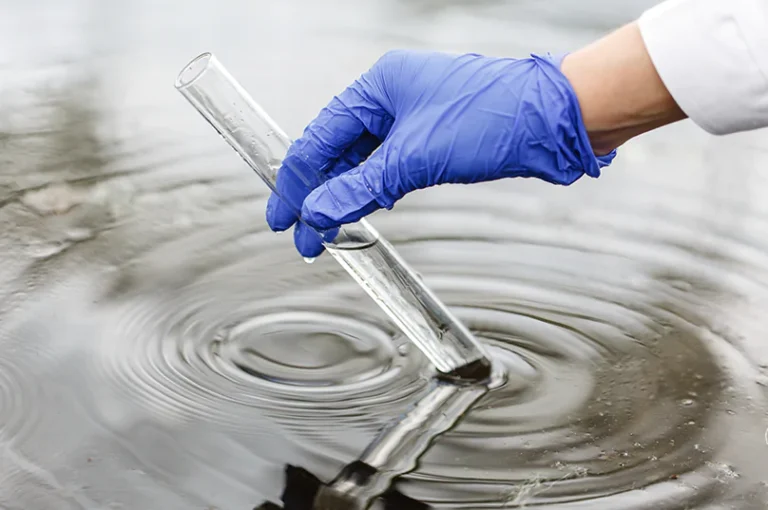
Water is supposed to be one of the simplest things in a home. Turn on the tap, fill a glass, take a shower, and get on with the day. But sometimes the water leaves little clues that something isn’t quite right. A reddish mark appears around the sink. Your skin feels tight after bathing. The morning coffee tastes slightly off, even though you haven’t changed the beans.
These things can seem unrelated at first. Often, they aren’t.
Water quality can influence everything from the appearance of bathroom fixtures to the way soap behaves and the taste of a favorite drink. Some issues are caused by naturally occurring minerals, while others may come from plumbing, treatment processes, or contaminants in the water source. Figuring out the cause is usually more useful than trying to scrub away every symptom.
Look Closely at What the Water Leaves Behind
One of the easiest ways to notice a water-quality problem is to pay attention to surfaces. Faucets, sinks, tubs, toilets, and even laundry can reveal what is happening inside the water supply.
Rust-colored marks are a classic example. They may appear around drains, inside toilet bowls, or on light-colored clothing. These iron stains can be particularly persistent because ordinary household cleaners don’t always remove them effectively.
Iron can occur naturally in groundwater, especially in homes supplied by private wells. It may be dissolved and invisible when water first comes from the tap, then oxidize when exposed to air and leave behind that familiar orange or reddish residue.
The important point is that the stain itself isn’t necessarily the whole problem. If iron is present consistently, testing the water can help determine how much is there and what kind of treatment makes sense.
When Your Shower Leaves Your Skin Feeling Tight
Most people don’t blame their water when their skin feels dry. They blame the weather, a new soap, or simply getting older. Those things can certainly matter, but water chemistry can play a role too.
Hard water contains calcium and magnesium, which can react with soap and make it harder to rinse away completely. That residue can leave skin feeling less comfortable after a shower. Very hot showers can make things worse by stripping away natural oils.
If dry skin seems to be a recurring issue, it may be worth looking at the water alongside your bathing habits. A simple water test can reveal whether hardness is unusually high or whether another water-quality issue deserves attention.
Of course, persistent skin problems can have many causes unrelated to water. The point isn’t to blame the tap for everything. It’s to consider the bigger picture when several signs appear together.
Taste and Odor Are Worth Paying Attention To
Taste is subjective, but unusual changes in taste or smell can still be useful clues.
Maybe the water suddenly smells faintly earthy. Perhaps there’s a chlorine-like taste, or the water has an odd metallic note. Sometimes these characteristics come from naturally occurring minerals. Other times, they can be associated with disinfectants, plumbing materials, organic matter, or changes in the water source.
When unpleasant tastes and odors are persistent, don’t simply cover them up with flavored drinks or bottled water. First, determine what is causing them.
Carbon filtration is commonly used to improve taste and odor because activated carbon can adsorb many compounds responsible for noticeable changes in water characteristics. However, carbon isn’t a universal treatment. It doesn’t address every contaminant, which is another reason testing matters.
Your Plumbing May Be Part of the Story
Water quality doesn’t always begin at the treatment plant, well, or municipal supply.
The plumbing inside a building can affect water by the time it reaches a faucet. Older pipes, corroded fittings, water heaters, and stagnant sections of plumbing can contribute to discoloration or unusual taste.
If the issue occurs only at one faucet, that’s a useful clue. It may point toward a local plumbing problem rather than the entire water supply.
On the other hand, if every fixture has the same issue, the source water or whole-building plumbing deserves closer attention.
This simple observation can save homeowners from replacing an entire treatment system when a smaller repair might be all that’s needed.
Well Water Deserves Regular Attention
Private well owners have a little more responsibility when it comes to water quality. There isn’t a municipal utility monitoring the household’s water supply on the owner’s behalf.
Well water can contain iron, manganese, hardness minerals, sulfur compounds, bacteria, and other substances depending on local geology and environmental conditions.
The appearance of the water isn’t enough to determine whether it’s safe. Clear water can still contain dissolved substances that are invisible to the naked eye.
Regular testing provides a much better picture. It is especially sensible after flooding, changes in the well, nearby construction, or other events that could affect groundwater conditions.
Choose Treatment Based on the Actual Problem
Once testing identifies the issue, treatment becomes much less of a guessing game.
Iron problems may require oxidation and filtration, specialized media, or another approach depending on the concentration and form of iron. Hardness may call for a water softener. Sediment can often be handled with mechanical filtration. Taste and odor concerns may respond well to carbon treatment.
Some homes may need more than one stage.
That’s perfectly normal. Water is chemically complicated, and one technology isn’t expected to solve every possible issue.
The mistake is choosing equipment based on a vague promise that it will make water “better” without knowing what better actually means.
Maintenance Matters More Than People Think
Even a well-designed treatment system needs routine care.
Filters become loaded. Media eventually loses effectiveness. Softener salt needs replenishing. UV components have service requirements. Pumps, valves, and other mechanical parts can also require inspection.
Skipping maintenance may not create an immediate problem, which makes it easy to forget. Then performance gradually declines, and the homeowner wonders why the system isn’t working as well as it used to.
Keeping a simple service record can help. Write down filter-change dates, water-test results, and any unusual changes you notice. It takes only a few minutes and can make troubleshooting much easier later.
Don’t Ignore the Small Clues
A stain around the sink may seem cosmetic. A strange taste might seem like something you can simply get used to. Skin discomfort may appear unrelated.
But when several clues show up at once, they’re worth investigating.
Good water treatment begins with curiosity rather than panic. Test the water. Look at the plumbing. Think about when the problem started. Consider whether it affects every faucet or just one. Then choose treatment based on evidence.
You don’t necessarily need the most complicated system available. You need the right one.
And once the source of the problem is understood, everyday water can become pleasantly boring again—which, honestly, is exactly what most of us want. Clean, dependable water shouldn’t demand much attention. It should simply be there, working quietly in the background while life carries on.