Most homeowners don’t spend much time thinking about the sewer line beneath their property. It sits underground, doing an important job quietly and consistently. Wastewater leaves the house, travels through the pipe, and eventually disappears into the larger sewer system. When everything works, there’s nothing to think about.
Then the drains slow down.
Maybe the toilet makes a strange bubbling sound. Perhaps there’s a bad smell outside after rain, or one patch of grass suddenly looks greener than everything around it. These little signs can be easy to dismiss, especially when life is busy. But plumbing problems often start quietly. By the time wastewater is backing up into the house, the underlying issue may have been developing for quite a while.
Knowing what to watch for can help homeowners act before a minor concern turns into an expensive emergency.
Strange Drain Behavior Shouldn’t Be Ignored
One slow drain isn’t necessarily a sewer-line problem. Hair, grease, soap buildup, or another localized blockage can easily affect a sink or shower.
Things become more concerning when multiple fixtures start behaving strangely at the same time.
If the toilet, bathtub, floor drain, and sink all seem slower than usual, the problem could be farther down the drainage system. Gurgling sounds can also indicate that air is struggling to move normally through the pipes.
Recurring backups are another clue. If a drain gets cleared and then becomes slow again a few weeks later, it’s worth asking why the problem keeps returning rather than treating each blockage as an isolated event.
What Can Damage a Sewer Line?
Underground sewer pipes deal with a lot over the years. Soil shifts. Trees grow. Weather changes. Materials age.
Tree roots are a particularly common source of trouble. Roots naturally seek moisture, and even a small crack or loose joint can provide an opening. Once inside, roots may grow and collect waste, gradually restricting the flow of wastewater.
Older pipes can also develop cracks, corrosion, separated joints, or collapsed sections. In some properties, previous repairs may have left behind a mixture of pipe materials and connections.
A cracked sewer pipe can allow wastewater to escape into the surrounding soil while also allowing roots and debris to enter the line. The result may be slow drainage, odors, wet ground, or repeated blockages.
Your Yard May Be Telling You Something
The lawn can sometimes provide surprisingly useful clues.
An unusually green strip of grass, persistent wet soil, standing water, or a soft patch that doesn’t seem connected to recent rainfall could indicate a buried plumbing problem.
That doesn’t automatically mean the sewer line is leaking. Irrigation issues, drainage problems, and natural groundwater can create similar conditions.
Still, when an unusual area of the yard appears alongside indoor plumbing symptoms, the combination deserves attention.
Homeowners should also watch for unexplained depressions in the ground. A damaged underground line can sometimes affect surrounding soil, although there are many possible causes for settlement.
Why Property Damage Can Follow a Sewer Problem
Sewer trouble isn’t always limited to unpleasant smells and clogged drains. A serious leak can affect the surrounding property.
Persistent moisture may damage landscaping, affect soil conditions, or create problems around paved areas. If wastewater escapes near a structure, the situation can become more complicated.
Significant property damage isn’t inevitable with every sewer failure, but delaying a known problem can increase the chance of secondary issues. Water and wastewater have a habit of finding paths into places where you really don’t want them.
That’s why early diagnosis matters. Fixing a developing problem is generally easier than dealing with a failed pipe, contaminated area, and damaged property all at once.
A Sewer Camera Can Reveal What You Can’t See
One of the most useful diagnostic tools for sewer problems is a camera inspection.
A small camera can travel through the sewer line and provide a view of the pipe’s interior. Depending on the system, technicians may be able to identify roots, cracks, buildup, separated joints, or collapsed sections.
The benefit is simple: you’re no longer relying entirely on guesswork.
The location and severity of the problem can help determine whether a localized repair, pipe rehabilitation, or complete replacement makes sense.
This is especially valuable before excavation. Nobody wants to dig up half a driveway only to discover that the problem was several feet away.
Repair or Replacement?
The right solution depends heavily on the condition of the pipe.
A small, isolated defect in an otherwise healthy line may be repairable. If several sections are damaged or the pipe has deteriorated throughout its length, replacement may provide better long-term value.
Homeowners should ask what caused the failure and whether nearby sections show similar signs of aging. A repair that addresses only today’s visible damage might not prevent another failure next year.
That doesn’t mean replacement is always the answer. Good decision-making comes from looking at the whole system rather than choosing the largest or smallest repair automatically.
Trenchless Options Can Reduce Disruption
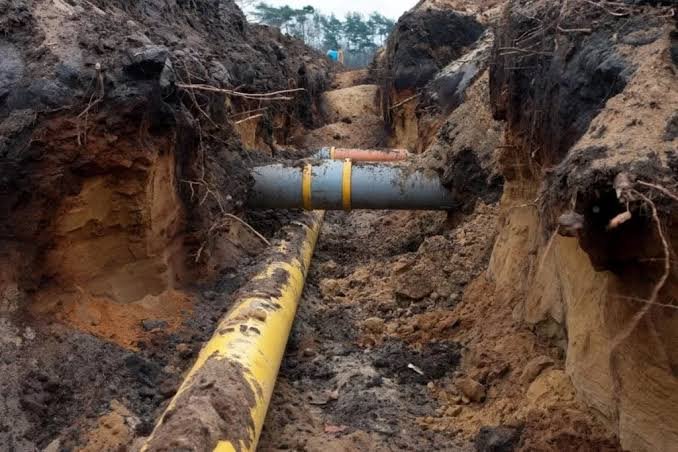
Traditional excavation can be effective, but it can also disturb lawns, driveways, sidewalks, gardens, and mature trees.
Depending on the pipe and the type of damage, trenchless rehabilitation or replacement methods may offer an alternative. These approaches can sometimes reduce the amount of excavation required.
But trenchless work has limitations. The existing pipe, access points, alignment, diameter, soil conditions, and severity of the damage all influence whether the method is appropriate.
A contractor should inspect the line first and explain the reasoning behind the recommendation. Less digging is attractive, but the method still needs to solve the actual plumbing problem.
When a Sewer Problem Becomes an Emergency
Some situations shouldn’t wait for a convenient appointment.
If sewage is actively backing up into the home, wastewater is flooding the property, or a major underground line has suddenly failed, prompt professional assistance is important.
In those circumstances, emergency services can help stabilize the situation and reduce further disruption. The immediate priority is controlling the problem safely. Once the situation is under control, a more detailed inspection can determine the permanent repair.
If wastewater enters living spaces, avoid unnecessary contact and follow appropriate cleanup and sanitation guidance. Sewage exposure isn’t something to take casually.
Don’t Let a Temporary Fix Become a Permanent Habit
Sometimes a basic drain cleaning solves the immediate problem. That’s perfectly fine when the issue is genuinely a simple blockage.
The concern comes when temporary fixes become routine.
If the same toilet backs up every few months, or a sewer odor keeps returning, there’s probably a reason. Continuing to clear the symptom without investigating the cause can become frustrating and expensive.
A proper inspection can provide a much clearer picture of what is happening below ground.
A Little Prevention Goes a Long Way
Homeowners can’t prevent every sewer failure, but sensible habits can reduce unnecessary stress.
Avoid flushing items that aren’t designed to go into the sewer system. Be careful with grease and materials that can accumulate in drains. If your property has large mature trees, consider whether roots could eventually affect underground plumbing.
It’s also useful to know where the main cleanouts and shutoff points are located. Keeping records of previous plumbing repairs can help future contractors understand the property’s history.
Most importantly, don’t ignore recurring symptoms.
Know When to Take the Next Step
A sewer line rarely announces its problems in a perfectly convenient way. The first warning might be a slow drain, an odd sound, or a suspicious patch of grass. Those clues may seem minor on their own, but patterns matter.
If several signs appear together, professional inspection can help determine what is really happening. Modern diagnostic methods make it possible to understand many underground problems before major excavation begins.
The goal isn’t to panic at every strange plumbing sound. It’s to pay attention.
A healthy sewer system should quietly carry wastewater away without demanding much thought. When it starts behaving differently, listening early can make all the difference. Sometimes the solution is a simple repair. Sometimes the line needs more extensive work. Either way, knowing the condition of the pipe gives you something valuable: a chance to make the decision before the problem makes it for you.