For many homeowners, well water is simply part of everyday life. It comes from beneath the ground, flows through the taps, and usually doesn’t get much thought until something changes. Maybe the water looks cloudy after heavy rain. Perhaps the bathtub develops orange marks, or the kitchen suddenly smells like rotten eggs. These issues can be frustrating, especially when you’re not sure whether they’re harmless annoyances or signs of a larger water-quality problem.
The good news is that many common well water concerns can be identified and managed with the right information. The first step is understanding what may be causing the problem instead of treating every symptom as if it has the same solution.
Why Well Water Can Vary So Much
Unlike treated municipal water, private well water is influenced by the natural environment around the property. Groundwater moves through soil and rock, picking up minerals and other substances along the way. Local geology, well depth, nearby land use, and seasonal conditions can all affect its composition.
Two homes on the same road may even have noticeably different water quality. One might deal with hardness, while another experiences staining or an unusual odor. That’s why copying a neighbor’s treatment setup isn’t always the smartest approach.
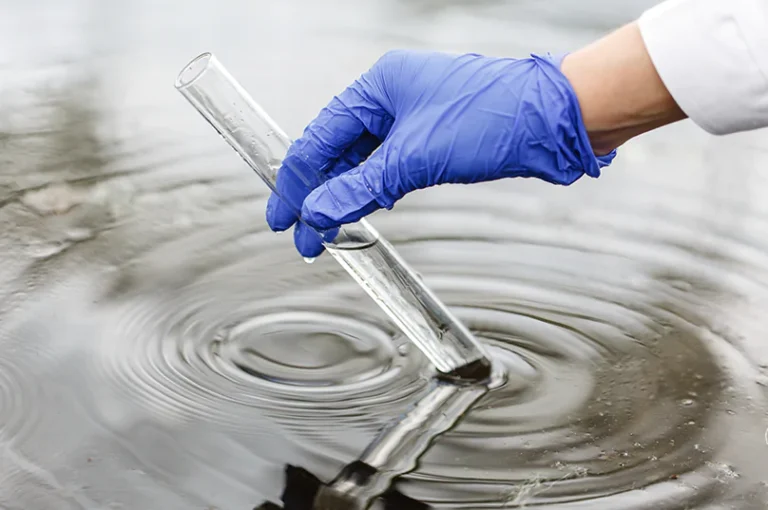
Regular testing is especially important for private well owners because they are generally responsible for monitoring and maintaining their own water supply. A laboratory test can reveal issues that aren’t obvious from taste, smell, or appearance alone.
Sediment: More Than Just Cloudy Water
One of the most noticeable well water issues is sediment. It may appear as floating particles, cloudy water, or grit that settles at the bottom of a glass. Sediment can enter a well through natural groundwater movement, disturbed soil, construction activity, or problems with the well system itself.
Small amounts of sediment may seem like a minor inconvenience, but they can affect plumbing fixtures and appliances over time. Particles may clog faucet aerators, interfere with valves, or collect inside water heaters and washing machines.
A sediment filter is often used to capture these physical particles before water travels throughout the home. However, filter selection matters. A filter designed for fine particles may behave differently from one intended for larger debris, and choosing one that is too restrictive can affect water pressure.
If sediment appears suddenly or in unusually large amounts, it’s worth investigating the cause rather than simply replacing the filter repeatedly.
Iron Staining and Those Familiar Orange Marks
Rust-colored stains around sinks, toilets, and showers are a common complaint among well water users. In many cases, the culprit is iron dissolved in the water. When exposed to air, iron can oxidize and leave behind reddish-brown deposits.
The issue is often described as iron staining, and it can be difficult to remove once it becomes established. Ordinary household cleaners may not work well, especially if the deposits have built up over a long period.
Iron can exist in different forms, and that distinction matters when choosing treatment. Dissolved iron may require a different approach from iron particles that are already oxidized. Some systems use oxidation and filtration, while others rely on specialized media designed to reduce iron under specific water conditions.
Testing should come first. Iron levels, pH, manganese, and other water characteristics can influence which treatment method performs effectively. A system that works well in one home may not deliver the same results elsewhere.
Sulfur Odors: When Water Smells Like Rotten Eggs
Few water problems are as instantly recognizable as a rotten-egg smell coming from the tap. This odor is often associated with hydrogen sulfide, a compound that can occur naturally in groundwater. In some cases, sulfur-reducing bacteria may also contribute to the smell.
Homeowners often refer to this issue as sulfur odors, and the intensity can range from barely noticeable to strong enough to make showers unpleasant. The smell may be more obvious in hot water, where gases can be released more readily.
The source of the odor needs to be identified before selecting a solution. Depending on the cause and concentration, treatment may involve aeration, oxidation, filtration, or disinfection. In some situations, the water heater itself may play a role, particularly if the odor is limited to hot water.
Although the smell is unpleasant, odor alone doesn’t establish whether water is safe or unsafe. Testing is the best way to understand the issue and determine what action is appropriate.
Hard Water Can Add to the Frustration
Hard water is another common concern in private wells. It contains minerals, primarily calcium and magnesium, which can create scale on plumbing fixtures and appliances. You might notice white deposits around faucets, reduced soap lather, or a filmy feeling after washing your hands.
Hard water isn’t generally considered a health threat at typical household concentrations, but it can create maintenance problems. Scale may build up inside water heaters, showerheads, dishwashers, and other equipment that regularly uses hot water.
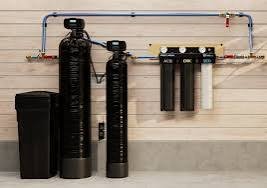
Water softeners are commonly used to reduce hardness. They work through a process called ion exchange, replacing calcium and magnesium ions with other ions, typically sodium or potassium. The right setup depends on the water chemistry and household needs.
It’s also worth remembering that softening and filtration are different processes. A softener is not designed to remove every contaminant, and it shouldn’t be marketed as a complete water purification system.
Why Testing Should Guide Your Treatment Choices
Water that looks clear isn’t necessarily free from contaminants, and water that smells unusual isn’t automatically dangerous. That’s why relying only on your senses can lead to missed problems or unnecessary purchases.
A comprehensive well water test may include bacteria, nitrates, pH, hardness, iron, manganese, and other parameters relevant to the area. Additional testing may be recommended based on local conditions or a specific concern.
If there’s a change in taste, odor, or appearance, testing can help determine whether the cause is mineral-related, bacterial, plumbing-related, or something else. It also gives treatment professionals the information they need to recommend equipment based on actual conditions.
For new homeowners, testing before moving in—or soon afterward—is a sensible starting point. It creates a baseline that can be useful for future comparisons.
Maintenance Makes a Real Difference
Even the right treatment system won’t perform well forever without maintenance. Filters need replacement, tanks may require servicing, and certain systems need periodic cleaning or media regeneration.
Well owners should keep track of filter-change schedules and pay attention to changes in water pressure, taste, smell, or staining. A sudden shift may indicate that a component needs attention or that the underlying water conditions have changed.
Professional inspections can also be useful, particularly when problems persist despite treatment. Sometimes the issue isn’t the filter at all. It may involve the well casing, pressure tank, plumbing, or water heater.
Making Well Water More Manageable
Well water problems can feel overwhelming when they show up one after another, but most concerns become easier to manage once the cause is understood. Sediment, iron, sulfur-related odors, and hardness each require a different approach, and there’s no universal system that solves every issue.
The most practical path is straightforward: test the water, identify the specific problem, choose treatment suited to the results, and maintain the equipment properly. With that approach, homeowners can protect their plumbing, reduce everyday frustrations, and enjoy more dependable water throughout the house.