Some home improvements announce themselves immediately. A new kitchen catches your eye. Fresh flooring changes the whole room. A bathroom renovation can make an old house feel almost new.
Then there are the quieter improvements. The attic is finally easy to reach. The trim around a doorway looks clean again. A backyard gate stops dragging across the ground.
These jobs might not make for the most dramatic renovation photos, but they can have a bigger effect on everyday life than you’d expect. After all, a home isn’t just something you look at. It’s something you use, often without thinking about it.
The smartest improvement projects usually begin with a simple question: what isn’t working as well as it should?
Make Forgotten Spaces Easier to Use
Attics are useful spaces, but many homeowners avoid them because access is awkward. A ceiling opening may be too small, an old ladder may feel unstable, or there may not be a proper way to climb up without balancing on something that was never designed for the job.
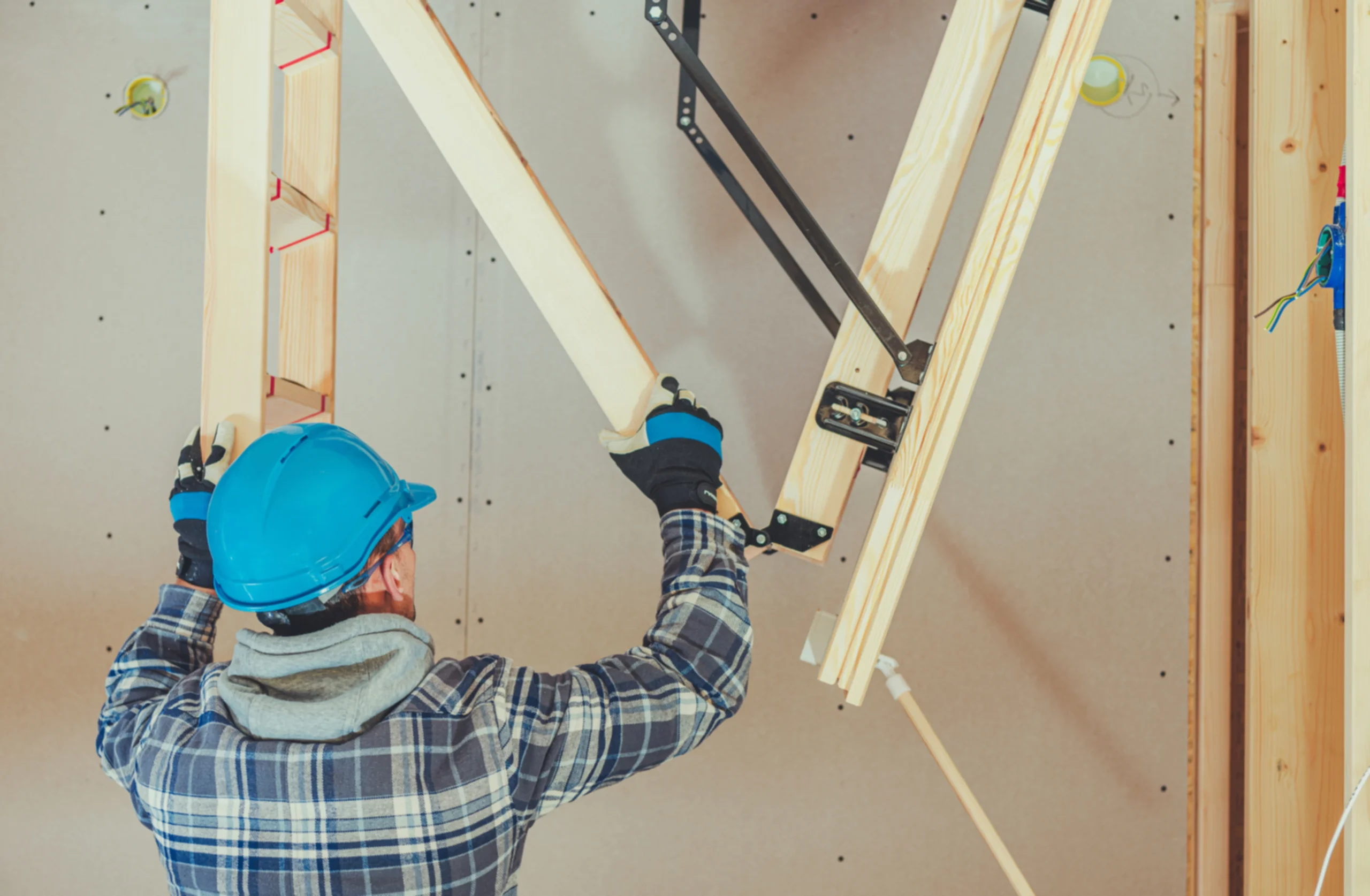
A well-planned attic ladder installation can make a forgotten storage area much more practical. Before choosing a ladder, however, consider the ceiling height, rough opening dimensions, landing space, and direction in which the ladder will unfold.
It’s also important to check what sits above the ceiling. Electrical wiring, ductwork, insulation, and structural framing can all affect where an opening can safely be placed.
A good installation should feel almost effortless once it’s finished. You open the hatch, lower the ladder, climb up, and get on with whatever you needed to do.
Look Beyond the Obvious Repairs
Homeowners often focus on things that are broken completely. But something doesn’t have to stop working before it deserves attention.
A loose door handle, chipped baseboard, cracked caulking, or scuffed wall may not be urgent. Still, these details can make a property feel more worn than it really is.
Take a slow walk through your home every few months. Look at corners, transitions, trim, doors, ceilings, and areas that receive a lot of traffic.
You’ll probably find several small jobs. That’s normal.
The trick is deciding which ones matter most and handling them before they become larger projects.
Finish Work Can Change a Room
There’s something satisfying about a room with crisp edges and properly finished details. You may not consciously notice good trim work, but you definitely notice when it’s damaged or poorly fitted.
Professional painting & trim work can refresh a room without changing its layout. Repainting tired walls, repairing damaged molding, and touching up door and window casings can make an older space feel cleaner and more intentional.
Preparation is what separates a good result from a rushed one. Surfaces should be cleaned, damaged areas repaired, and loose or deteriorated trim addressed before paint goes on.
And don’t underestimate color matching. Old paint can fade over time, meaning the color in the can you saved five years ago may not look exactly the same on the wall today.
Your Fence Needs Attention, Too
The backyard often gets less maintenance than the inside of the house, even though exterior structures take a beating from the weather.
Fences are exposed to rain, sun, wind, pests, changing temperatures, and shifting soil. Eventually, posts can loosen and boards can crack or rot.
A timely fence repair can sometimes save an otherwise sound section from needing complete replacement. A damaged board might be swapped out. A loose gate may only need hinge adjustment or new hardware. A leaning post may require reinforcement or replacement at the base.
Walk the perimeter of your property occasionally. Push gently against questionable sections and look for movement. Check gates to make sure they close securely.
It’s a simple habit, but it can reveal problems before a strong storm does.
Water Damage Doesn’t Always Look Dramatic
Some of the most expensive home problems begin with something barely noticeable.
A faint ceiling stain. A musty smell beneath a sink. Paint that starts bubbling near a window. A floorboard that feels slightly softer than the ones around it.
Moisture can travel through walls and flooring, so the visible damage isn’t necessarily where the problem started.
If you notice signs of water, investigate the source rather than simply repainting or replacing the affected surface. A cosmetic repair may hide the evidence temporarily while the underlying problem continues.
Plumbing connections, roof penetrations, gutters, exterior seals, and appliances are all worth checking when moisture appears unexpectedly.
Small Door Problems Can Become Big Irritations
A door should open and close without much thought.
When it doesn’t, you notice.
A door that sticks may be affected by humidity, loose hinges, frame movement, or changes in the surrounding structure. A latch that doesn’t line up can make closing the door unnecessarily difficult.
Sometimes a small adjustment solves the problem. Other times, the frame or hardware needs more attention.
Don’t automatically assume that forcing the door harder is the solution. If a door has changed noticeably, find out why.
The same idea applies to exterior doors, where alignment and sealing also affect security, comfort, and energy efficiency.
Think About Safety While Improving Appearance
A home can look beautiful and still have safety problems.
Loose railings, uneven steps, slippery surfaces, unstable ladders, and poorly lit hallways deserve priority over purely cosmetic projects.
If you’re already planning improvements, consider whether the changes can make the property safer at the same time.
Better lighting near stairs, secure handrails, slip-resistant surfaces, properly functioning doors, and reliable attic access can all make a home easier to navigate.
These improvements aren’t flashy. They’re useful.
And useful tends to age better than trendy.
Know Which Projects Need Professional Help
DIY work can be rewarding, especially when the job is straightforward. Painting a small room, replacing basic hardware, or repairing minor cosmetic damage may be well within a homeowner’s ability.
But some projects involve risks that aren’t obvious until something goes wrong.
Electrical work, significant plumbing problems, structural modifications, roofing repairs, and complicated attic access projects should be approached carefully. If you’re unsure about what you’re seeing behind a wall or ceiling, guessing isn’t a great strategy.
A professional can often identify the actual cause of a problem much faster than trial and error.
Sometimes the result is reassuring: it’s a simple repair. That’s good news.
Plan Around How You Actually Live
The best home improvements reflect real habits.
If you use the attic frequently, invest in comfortable and reliable access. If the hallway takes constant abuse, prioritize durable paint and trim. If children or pets use the backyard every day, make sure the fence and gate can handle that traffic.
Don’t renovate for an imaginary version of your life.
A beautiful room that doesn’t have enough storage isn’t very practical. A gorgeous backyard isn’t much fun if the gate barely works. And an attic full of useful belongings isn’t particularly useful when climbing up there feels unsafe.
Function should lead. Appearance can follow.
Small Projects Add Up
Home improvement doesn’t have to mean knocking down walls or spending months living around construction dust.
Sometimes progress comes from a collection of smaller projects. Repair the damaged trim. Improve attic access. Fix the leaning fence. Seal a drafty door. Address that strange stain before it becomes a much larger issue.
Each project may seem minor on its own, but together they can change how a home feels.
More importantly, they help preserve the property instead of allowing everyday wear to pile up unnoticed.
A house will never stay perfect. That’s not the point. Homes are meant to be lived in, and living leaves marks.
The goal is simply to keep those marks from becoming bigger problems. Pay attention, repair things thoughtfully, and improve the areas that affect your everyday routine.
Years from now, you may not remember every small repair you made. You’ll just notice that the house still works the way you want it to.
And honestly, that’s a pretty good measure of a successful home improvement project.