Water has a way of becoming part of the background until it starts behaving differently. A cup of coffee tastes odd. Glassware comes out of the dishwasher with spots. A showerhead develops a chalky crust that seems to return no matter how often you clean it. In a workplace, the signs can be less obvious but just as frustrating — scale on fixtures, inconsistent water quality, or equipment that seems to need attention more often than it should.
These problems don’t always point to the same cause, and they certainly don’t have the same solution. Water chemistry varies by location and source, while the demands placed on a residential system are very different from those of a restaurant, office, hotel, or manufacturing facility.
The smartest approach is to understand the water first and choose treatment around the actual need.
Start With the Water You Have
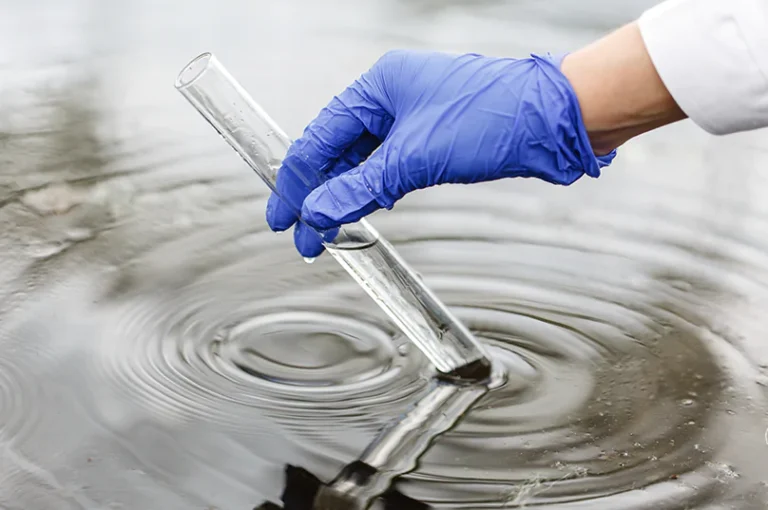
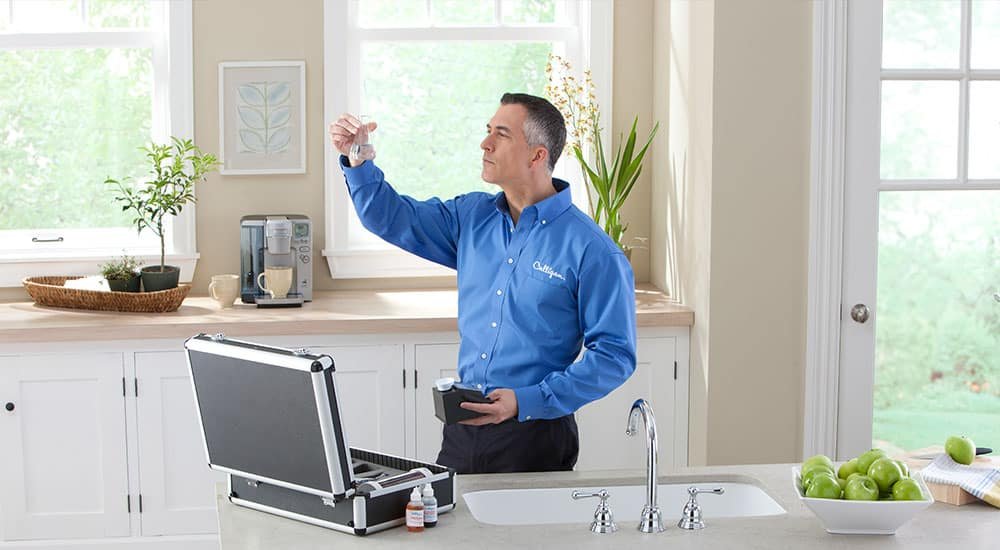
Before comparing tanks, filters, membranes, and softeners, find out what’s in the supply. A water test can reveal useful information about hardness, pH, iron, manganese, sediment, chlorine, and other characteristics.
This step sounds basic, but it’s easy to skip. Someone sees scale and immediately buys a softener. Someone else notices an unpleasant taste and orders a carbon filter. Sometimes they get lucky. Sometimes they spend money and still have the original problem.
Testing provides a clearer starting point.
It can also show whether a concern is related to the source, household plumbing, or an existing treatment system. For private wells, testing is particularly valuable because groundwater conditions can change over time.
Drinking Water Needs Deserve Special Attention
The water used for drinking and cooking doesn’t always need to be treated in exactly the same way as water used for laundry or bathing.
A dedicated kitchen system can provide another level of treatment where it’s most useful. Reverse osmosis drinking systems are one option for homeowners and businesses looking to reduce many dissolved substances from a drinking-water supply.
Reverse osmosis works by moving water through a semipermeable membrane. Depending on the system and source-water conditions, it can reduce certain dissolved minerals, salts, and other substances.
There are trade-offs, of course. RO systems need filter and membrane replacements and typically produce some wastewater. They also need adequate pressure to operate effectively.
The important point is to select an RO system because it fits a specific water-quality goal, not simply because the technology sounds advanced.
Alkaline Water Is a Different Consideration
Alkaline water has become popular among consumers interested in the taste and characteristics of higher-pH drinking water. Systems designed for this purpose may raise water pH and, depending on the design, add certain minerals after filtration.
Alkaline water systems can be appealing if that is a preference in your household or business. But alkaline water shouldn’t be confused with general water purification.
If you’re concerned about a specific contaminant, the priority should be treatment technology that has been designed and tested for that concern. Raising pH doesn’t automatically remove unwanted substances.
A thoughtful setup may combine filtration with alkalization, but the two functions have different purposes. That distinction is easy to lose in marketing, so it’s worth keeping in mind.
Hard Water Becomes More Expensive at Commercial Scale
Hard water can be annoying in a house. In a commercial setting, the consequences can become much more expensive.
Restaurants, hotels, laundries, apartment buildings, and other facilities may use large volumes of water every day. Calcium and magnesium can form scale in pipes, water heaters, dishwashers, boilers, and other equipment.
Commercial water softeners are designed to handle larger water demands and can be configured according to flow requirements, hardness levels, and facility usage.
Sizing is critical. A system that can’t keep up during peak demand can undermine the entire purpose of the installation. Commercial facilities may also need to consider regeneration schedules, salt storage, drainage, monitoring, and available mechanical-room space.
A good commercial installation is designed around how the facility actually operates — not just the number printed on a product brochure.
Flow Rate Matters More Than Many People Expect
Water treatment systems don’t operate in isolation. They’re part of a plumbing network.
A household may have several showers running at once. A restaurant might have multiple sinks, dishwashing equipment, and ice-making systems drawing water simultaneously. A hotel can experience significant peaks during mornings and evenings.
If treatment equipment is undersized, users may notice pressure or flow problems. Oversizing isn’t automatically the answer either, since unnecessarily large equipment can increase costs and may not operate as efficiently as intended.
Peak flow, average consumption, incoming pressure, and water-quality conditions should all be considered when selecting equipment.
Think About Where Treatment Happens
Not every water problem requires whole-building treatment.
If the main concern is drinking water, point-of-use equipment may be enough. If hard water is affecting fixtures and appliances throughout a building, centralized softening makes more sense.
Some commercial properties use multiple treatment stages, with each stage performing a particular function. Sediment filtration may protect downstream equipment, carbon treatment may address taste or chlorine, and specialized systems may handle specific contaminants.
This layered approach can be more effective than expecting one piece of equipment to solve everything.
Installation Is Part of the Engineering
Water-treatment equipment needs more than a convenient place to sit.
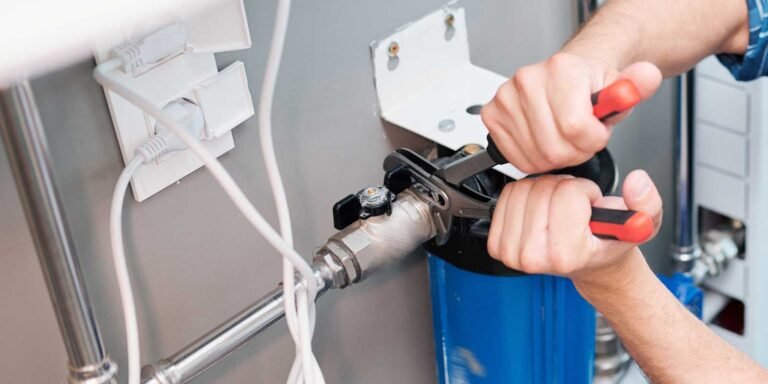
Installation planning should account for pipe sizes, pressure, flow, drainage, electrical requirements, access for servicing, and the physical space required around tanks and controls.
Commercial systems also need to fit into the facility’s operational schedule. A system that requires frequent service may need to be installed where technicians can reach it without disrupting daily business.
For residential systems, accessibility matters too. Filters eventually need changing, and nobody wants to discover that the cartridge housing is wedged behind a water heater.
A neat installation is nice. A serviceable installation is better.
Maintenance Protects the Investment
Even the best equipment needs attention.
Filters eventually become loaded. Softener systems require regeneration and salt management. RO membranes need replacement. Valves, sensors, pumps, and other components can wear over time.
Businesses should keep maintenance records and establish service schedules rather than waiting for a system to fail during the busiest part of the week.
Homeowners can benefit from the same habit. Keep notes about filter replacements, water testing, repairs, and unusual changes in water pressure or taste.
These records may seem unnecessary when everything is working. When something goes wrong, they’re incredibly useful.
Don’t Buy More Technology Than You Need
Water treatment can become unnecessarily complicated. There are systems with monitoring apps, multiple filtration stages, automated controls, mineral cartridges, and all sorts of additional features.
Some are genuinely useful. Others may not be relevant to your situation.
Start with the water problem and work backward. What needs to be reduced? How much water needs treatment? Where does treatment need to happen? How often can the system realistically be maintained?
Those questions usually lead to a better answer than simply choosing the system with the longest feature list.
The Right System Should Make Water Less Noticeable
Whether you’re improving water at home or managing a commercial property, the objective is surprisingly simple: reliable water that works for the way you use it.
For one household, that might mean better drinking water and less scale. For a busy business, it could mean protecting expensive equipment from hardness and keeping water performance consistent throughout the day.
Testing, proper sizing, thoughtful installation, and regular maintenance all matter. So does choosing treatment technology for a real reason.
When the system is right, you don’t spend your day thinking about it. The dishes come out cleaner, the coffee tastes better, equipment runs as expected, and the water simply does its job.
That’s the quiet advantage of good water treatment. It solves a problem without becoming a new one.