Hard water has a way of becoming part of the background. You notice it, complain about it, clean the shower door, wipe down the faucet, and then life carries on. A week later, there are those same stubborn white marks again.
For many households, hard water isn’t an emergency or a dramatic problem. It’s simply inconvenient. Calcium and magnesium can build up around fixtures, affect appliances, make soap harder to rinse, and leave glassware looking less than perfect. Over time, though, those little annoyances can become expensive maintenance issues.
The good news is that managing hard water doesn’t have to be complicated. With the right treatment system and sensible settings, homeowners can reduce mineral buildup without wasting resources or constantly wondering what the equipment is doing.
Start by Understanding Your Water
Before adjusting or purchasing a softening system, it helps to know how hard your water actually is.
Water hardness varies considerably from one location to another. Even homes close to each other can experience different conditions depending on their water source and plumbing.
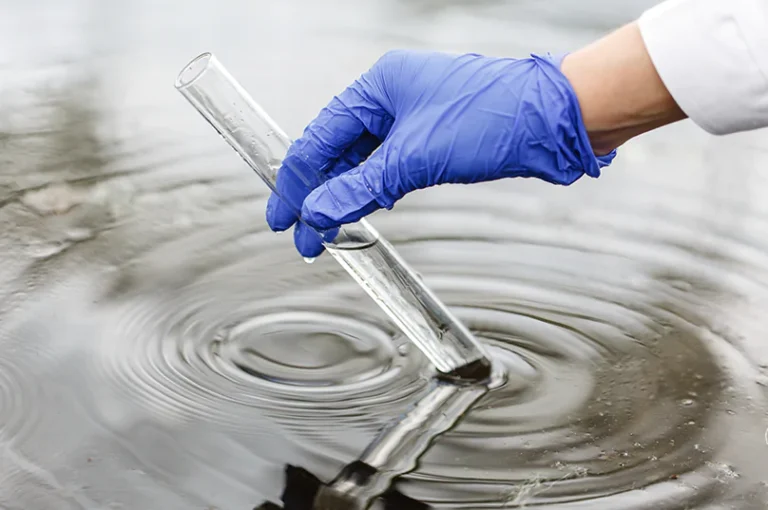
A basic water test can identify hardness levels and provide information that helps determine the appropriate treatment approach. If you skip this step, you’re essentially guessing.
And guessing isn’t particularly helpful when equipment settings, capacity, and operating costs are involved.
Why an Efficient Approach Matters
A good water treatment strategy should do its job without creating unnecessary waste. An efficient approach means looking at the whole picture rather than focusing only on the purchase price of a softener.
Think about water usage, hardness, household size, regeneration frequency, salt consumption, maintenance, and long-term operating costs. All of these factors influence how efficiently a system performs.
For example, a household that uses relatively little water doesn’t necessarily need the same capacity or settings as a large family. Likewise, very hard water may require a different approach from moderately hard water.
The goal isn’t to make the system work harder. It’s to make it work appropriately.
How Water Softeners Handle Hardness
Most conventional water softeners use ion-exchange technology. Inside the system is resin that attracts calcium and magnesium ions as hard water passes through.
Eventually, the resin becomes loaded with those minerals and needs to be regenerated. A brine solution is commonly used during regeneration to restore the resin’s ability to soften incoming water.
Once regeneration is complete, the system returns to service.
The process itself isn’t particularly mysterious, but the settings matter. If regeneration occurs too frequently, the system may use more salt and water than necessary. If it happens too infrequently, the household may start noticing hardness returning.
That’s why proper setup matters from the beginning.
How a Metered System Can Help
Older systems may operate on a simple timer, regenerating according to a preset schedule. Modern systems can instead use water consumption as a trigger.
This is often called demand-initiated or metered regeneration. The system measures water use and determines when regeneration is necessary based on its programming and capacity.
For households with changing water usage, this can be more practical than relying on a rigid calendar.
Consider a family that goes away for two weeks. A timer-based system may follow its normal schedule even though almost nobody is using water. A properly configured metered system can respond more closely to actual demand.
Small differences in operation can add up over months and years.
When a System Saves Salt
A properly sized and programmed system saves salt by avoiding unnecessary regeneration and using an appropriate amount of salt for the hardness load it needs to handle.
But don’t assume that the lowest possible salt setting is automatically best. If the setting is too low for the water conditions, softening performance can suffer.
The right balance depends on the resin capacity, water hardness, household consumption, and system design.
This is another reason professional setup can be worthwhile. A technician can use actual water-quality and usage information rather than choosing settings at random.
Monitor Household Water Habits
Your water softener responds to what your household does.
Long showers, frequent laundry, filling large tubs, running dishwashers, and other high-use activities all contribute to total water consumption. A sudden change in household routines can therefore affect regeneration frequency.
You don’t need to stand beside the water meter with a notebook every evening. Just pay attention to unusual changes.
If your water use suddenly increases and the softener begins regenerating much more frequently, that may be perfectly normal. But if consumption hasn’t changed and the system’s behavior has, it’s worth checking the settings or having the equipment inspected.
Don’t Waste Water Chasing Perfect Softness
It’s easy to assume that softer is always better. In reality, the goal should be appropriate treatment.
A system shouldn’t be adjusted simply to achieve the lowest possible hardness number without considering how the equipment operates and what the household actually needs.
Over-treatment can increase salt and water consumption. Under-treatment can allow scale to return.
The sweet spot is somewhere in between: enough treatment to address the hardness problem without unnecessarily increasing operating costs.
Maintenance Keeps Efficiency on Track
Even a highly efficient system can become inefficient when maintenance is ignored.
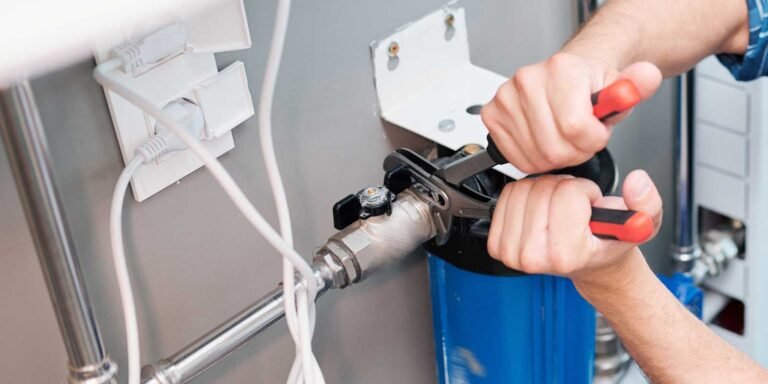
Salt bridges, low salt levels, clogged components, worn valves, incorrect settings, or other mechanical issues can affect performance.
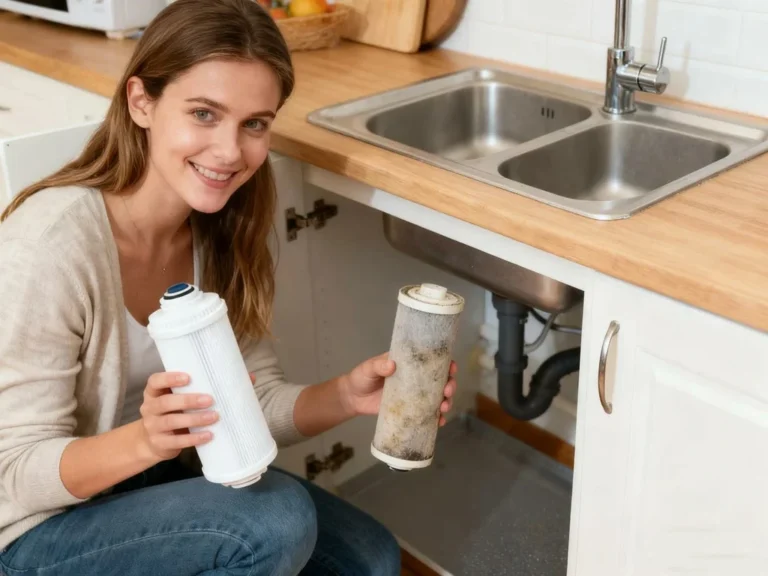
Regularly inspect the equipment according to the manufacturer’s recommendations. Keep the salt supply at an appropriate level, and pay attention to changes in water taste, pressure, or hardness.
If you notice scale returning on faucets or shower fixtures, don’t immediately assume the softener has reached the end of its life. The cause could be something much simpler.
A quick inspection may reveal the problem.
What About Other Water Treatment?
Softening addresses hardness, but water quality is broader than hardness alone.
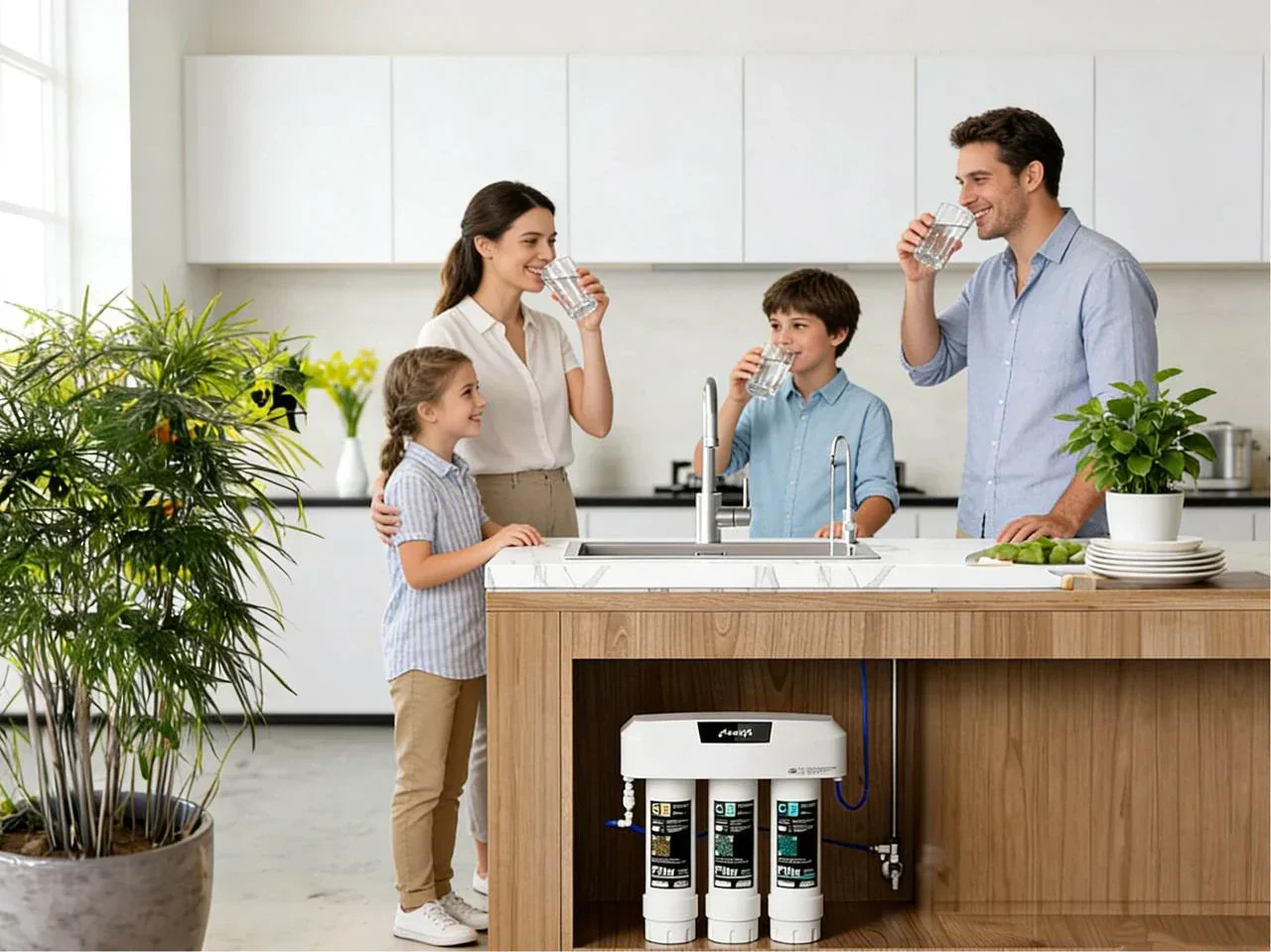
Some homes also have concerns about sediment, chlorine taste, odors, dissolved substances, or microorganisms. Those issues may require different technologies, such as sediment filters, carbon filtration, reverse osmosis, or ultraviolet treatment.
The important point is not to expect a softener to do a job it wasn’t designed to perform.
Testing the water can help determine whether additional treatment is actually necessary. Otherwise, homeowners may end up paying for equipment that adds complexity without solving a meaningful problem.
The Financial Side of Water Efficiency
When a system uses resources appropriately, the benefits aren’t limited to the equipment itself.
Reducing unnecessary salt consumption can lower supply costs. Avoiding excessive regeneration can reduce water use. Proper maintenance can help prevent premature component failure.
Over time, these savings can become meaningful.
A well-designed system saves salt, water, money, and guesswork by responding to actual household needs rather than operating blindly.
That doesn’t mean every system will produce dramatic savings. Results depend on water hardness, household behavior, equipment design, and maintenance. Still, efficiency is worth considering as part of the total cost of ownership.
A Better Way to Think About Water Softening
Managing hard water doesn’t require constantly adjusting controls or worrying about every gallon that passes through the pipes.
Start with a water test. Understand the hardness level. Choose equipment that fits the household. Make sure the system is sized correctly and programmed around realistic water consumption.
Then maintain it.
That’s really the formula—although it doesn’t need to feel like one.
When a water softener is properly configured, it should quietly respond to your household’s needs. You shouldn’t have to think about regeneration every morning or wonder why you’re suddenly going through bags of salt twice as fast.
The best system is almost boring. It softens the water, uses resources sensibly, and keeps doing its job.
And honestly, boring is pretty good when we’re talking about household equipment. Fewer surprises, lower waste, easier maintenance, and water that behaves the way you expect it to—that’s a worthwhile improvement.