Most people don’t spend much time thinking about their water equipment until something goes wrong. Maybe the water softener isn’t working as expected, a filter needs replacing, or an unfamiliar warning light suddenly appears. It’s usually at that moment, when you’re already busy with other things, that finding clear answers becomes important.
The good news is that looking after water treatment equipment doesn’t have to be complicated. A little routine maintenance, access to reliable information, and a better understanding of available services can make everyday ownership much easier. Whether you’re maintaining a system at home or managing equipment for a small business, knowing where to find help can save time, reduce unnecessary expenses, and prevent small issues from turning into frustrating repairs.
Finding Better Value Without Compromising Quality
Buying equipment or arranging a service often starts with a simple question: how much will it cost? Price matters, of course, but the cheapest option isn’t always the best value. A low initial price can be less appealing if the product requires frequent repairs, expensive replacement parts, or additional services that weren’t included in the original quote.
That’s why it pays to look beyond the advertised price. Compare warranties, installation costs, maintenance requirements, and the availability of customer support. If you’re choosing a water softener or filtration system, consider how much water your household uses and what you actually want the equipment to accomplish. A system that suits your needs is usually a better investment than one packed with features you’ll rarely use.
It’s also worth checking for special offers before making a purchase. Seasonal promotions, bundled installation packages, or discounts on replacement supplies may help reduce the overall cost. Some providers offer savings to returning customers, while others may have incentives for upgrading older equipment. The terms can vary, so read the details carefully and confirm whether the offer applies to the product or service you need.
A discount shouldn’t be the only reason to choose a particular provider. Look at the quality of the equipment, the company’s service record, and the support available after installation. Saving money today is useful, but choosing a system that performs reliably over time can be worth considerably more.
Learning the Basics Before You Need Help
One of the easiest ways to become more confident with household equipment is to understand how it works. You don’t need to become a technician or learn every part number. Knowing a few basics, such as when a filter needs replacing or how to check a salt level, can make routine care feel much less intimidating.
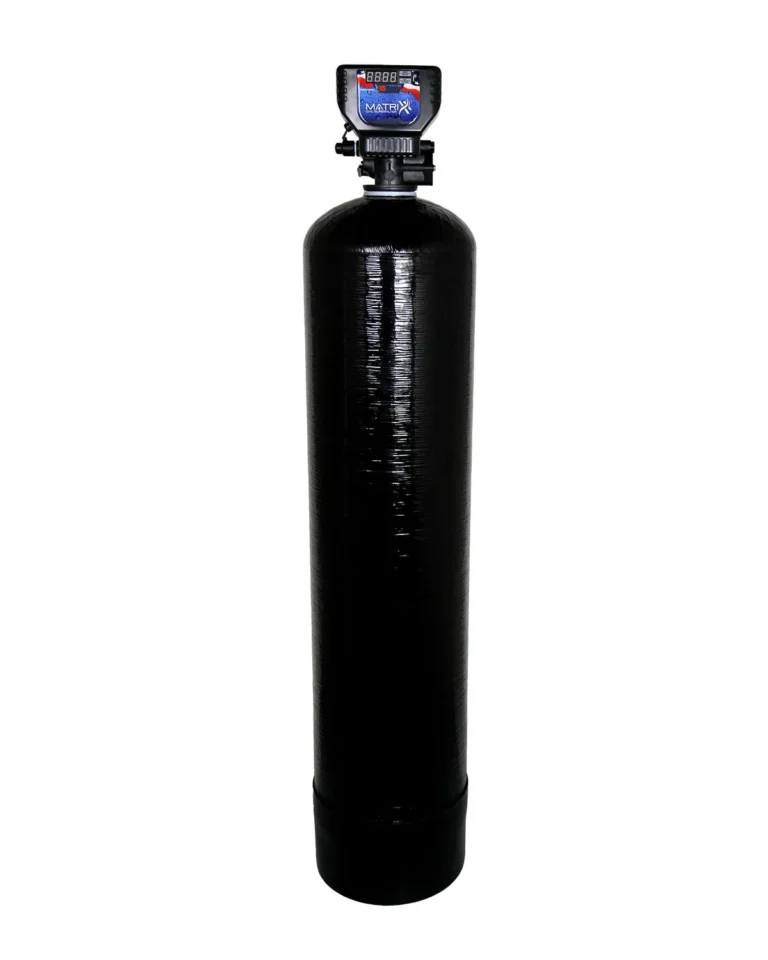
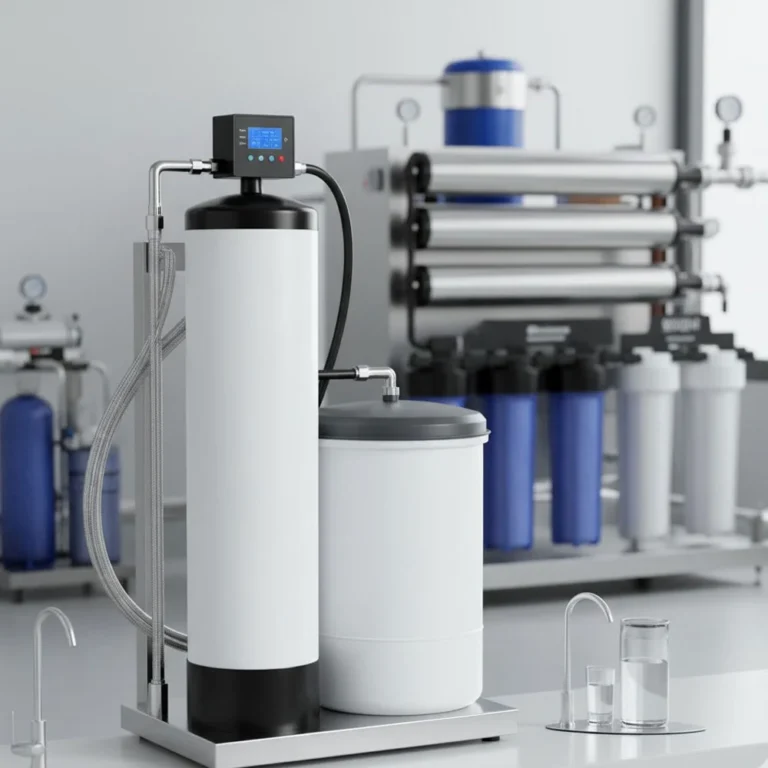
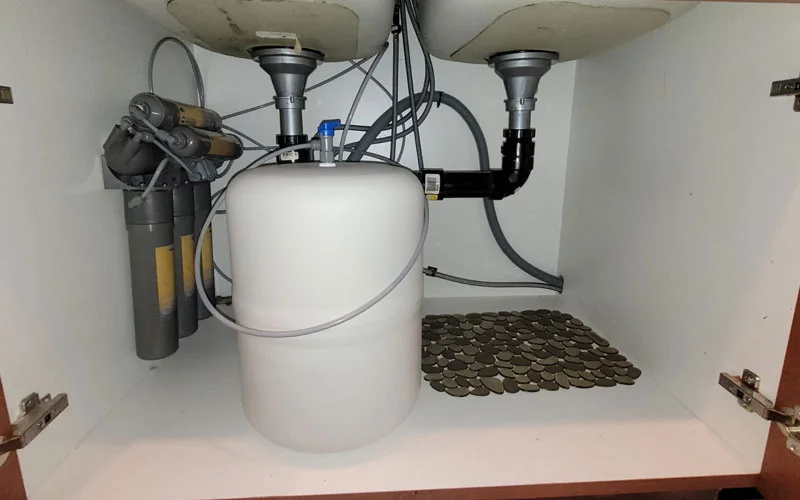
Water softeners, for example, commonly use an ion-exchange process to reduce hardness minerals such as calcium and magnesium. Many models require salt to regenerate the resin responsible for that process. Filtration systems work differently, depending on whether they use carbon, sediment filters, reverse osmosis, or another treatment method. Understanding the distinction helps you avoid assuming that one maintenance routine applies to every system.
A useful starting point is the information supplied by the manufacturer. Check the model name and number on your equipment, then find the maintenance recommendations that match it. This simple step can prevent mistakes, particularly when several models look almost identical but have different settings or replacement requirements.
Using Videos to Understand Everyday Maintenance
Sometimes written instructions are enough. Other times, seeing a task performed makes everything click. Replacing a filter cartridge, checking a control panel, or understanding a regeneration cycle can be easier when you can watch someone demonstrate each step.
Well-made helpful videos can make these tasks more approachable, especially for people who prefer visual explanations. Look for demonstrations published by the manufacturer or a qualified service professional. Ideally, the video should identify the equipment model, show the process clearly, and explain any precautions before the work begins.
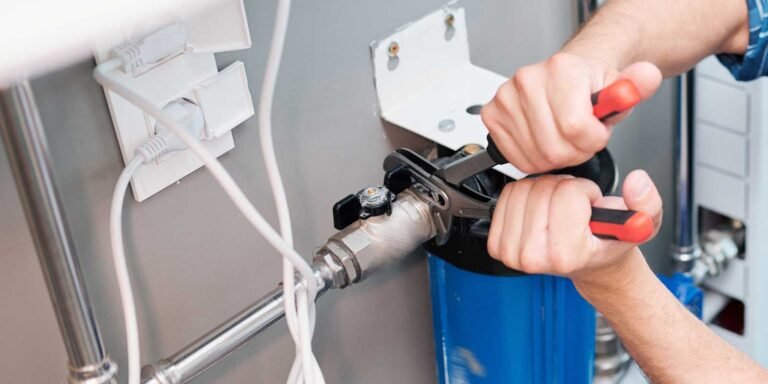
Be selective about online advice, though. A video created for one brand or model may not apply to yours. If the equipment has electrical connections, pressurized components, or complicated plumbing, an informal demonstration may leave out important safety details. Don’t attempt a repair simply because someone online makes it look easy.
For basic maintenance, videos can be an excellent learning tool. For persistent leaks, electrical faults, unusual operating noises, or suspected contamination, professional assistance is often the safer choice. The goal isn’t to fix everything yourself; it’s to understand the equipment well enough to make sensible decisions.
Why the Manufacturer’s Instructions Still Matter
Online articles and videos are convenient, but they shouldn’t replace the instructions written for your particular system. Manufacturers design equipment with specific operating limits, maintenance intervals, and replacement requirements. Following those recommendations helps preserve performance and may also be important for warranty coverage.
Keep the owner’s manuals somewhere easy to find, whether that’s a labelled folder at home or a digital copy saved on your computer. If you’ve misplaced the original paperwork, check the manufacturer’s official website. Many companies provide downloadable documents using the model or serial number.
The manual can answer surprisingly practical questions. It may explain how to interpret warning lights, adjust settings, clean approved components, or identify the correct replacement filter. It can also tell you which tasks are suitable for routine user maintenance and which should be handled by a trained technician.
Avoid guessing when the instructions are unclear. Using the wrong cleaning product, forcing a component into place, or changing an unfamiliar setting could create a bigger problem. If the manual doesn’t answer your question, contact the manufacturer or a service provider familiar with the equipment.
Creating a Maintenance Routine That Actually Works
Maintenance is easier when it becomes part of an ordinary routine rather than a task you remember only after something stops working. You might check your system once a month, review filter replacement dates every few months, and arrange professional servicing according to the manufacturer’s recommendations.
A simple reminder on your phone or calendar can help. Keep notes about when supplies were purchased, which parts were replaced, and whether any problems appeared. These records may seem unnecessary when everything is running smoothly, but they become valuable when you need to diagnose a recurring issue or decide whether an older system should be repaired.
Pay attention to changes in performance. Reduced water pressure, unusual tastes or smells, visible leaks, and repeated error messages can all deserve investigation. Not every change indicates a serious fault, but ignoring it rarely makes the situation easier.
If you’re concerned about drinking water safety, remember that equipment maintenance alone cannot confirm that water is safe. Testing may be necessary depending on your water source and the problem you’ve noticed. A qualified professional or relevant local water authority can help you determine the appropriate next step.
Getting More From Your Equipment Over Time
Reliable equipment is only part of the picture. Good information, realistic maintenance habits, and responsive customer service matter just as much. Before buying a system, find out how replacement parts are sourced, whether servicing is available in your area, and how the provider handles warranty claims. These questions may not feel urgent during the sales process, but they can make a real difference later.
It’s also sensible to review your needs occasionally. A household may grow, a business may expand, or water usage may change over time. Equipment that once seemed perfectly suited to the situation might eventually need different settings, additional treatment, or replacement.
The best approach is a balanced one: take advantage of genuine savings, use reliable learning resources, and follow the instructions intended for your equipment. Ask for help when a problem goes beyond routine maintenance, and don’t feel pressured to replace a working system without a good reason.
Water equipment should make everyday life easier, not become another source of worry. With a little preparation and the right information close at hand, you can handle ordinary maintenance more confidently, recognize problems sooner, and make decisions based on long-term value rather than guesswork. Often, those small habits are what keep everything running smoothly.