Water quality can affect more of daily life than most people realize. A morning shower, a cup of coffee, clean laundry, and a commercial kitchen all depend on water that performs as expected. When mineral deposits start appearing on faucets or equipment, or the water develops an unusual taste, those little inconveniences can quickly become frustrating.
The tricky part is that not every water problem has the same cause. Hardness, sediment, unpleasant odors, and microbial contamination require different approaches. Buying a treatment system without understanding the issue can waste money and leave the original problem unresolved.
Fortunately, there are practical options for both homes and businesses. The key is to understand how different technologies work, what they can realistically accomplish, and when professional advice is worthwhile.
What Causes Common Water Quality Problems?
Water picks up minerals naturally as it moves through soil and rock. In some locations, this results in hard water containing elevated levels of calcium and magnesium. Hardness isn’t generally considered a health concern at typical levels, but it can cause scale buildup, spotting on dishes, and reduced soap lather.
Other concerns may be less obvious. Sediment can enter water supplies through certain source or plumbing conditions, while naturally occurring substances or treatment-related compounds may affect taste and odor. Private wells can also be vulnerable to contaminants from nearby land use, damaged well components, or environmental changes.
The first step is to avoid guessing. Clear water isn’t necessarily free of every contaminant, and an unpleasant taste doesn’t automatically mean the water is unsafe. Testing should be selected according to the source, the concern, and relevant local guidance.
For municipal water users, the supplier’s water quality report provides useful background. However, it doesn’t necessarily reveal problems originating inside a particular building’s plumbing. Private well owners should follow local recommendations for routine testing and arrange additional checks when conditions change.
Salt-Free Conditioners and Hard Water
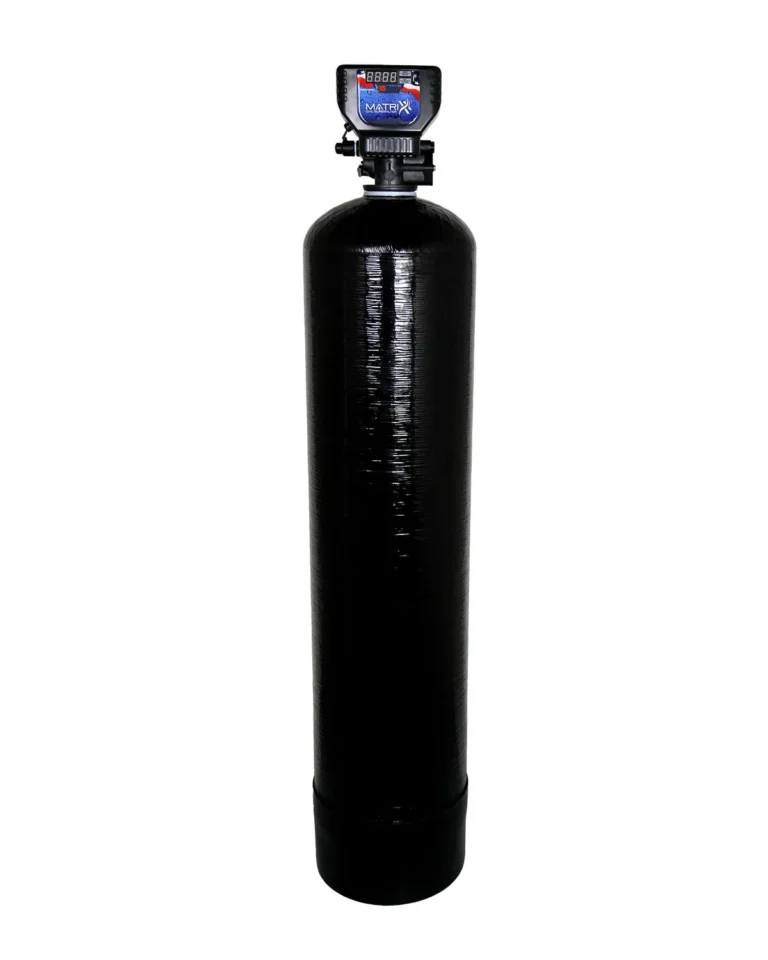
Homeowners researching water treatment often encounter salt-free water conditioners as an alternative to conventional water softeners. These products are designed to help manage the effects of hardness, but their operation and results differ from those of systems that remove hardness minerals.
Many salt-free conditioners use processes intended to change how minerals behave, helping reduce their tendency to form hard scale on certain surfaces. Depending on the technology and water conditions, this may help protect plumbing and equipment from some scale-related problems.
However, a conditioner generally doesn’t remove calcium and magnesium in the way a conventional ion-exchange softener does. The water may still test as hard, and homeowners may continue to notice some of the familiar effects of mineral-rich water. Product claims should therefore be evaluated carefully.
Before choosing a system, consider what matters most to your household. If your main concern is scale inside a water heater, a conditioner may be worth investigating. If you’re specifically looking for a measurable reduction in water hardness, ask whether a conventional softener is more appropriate.
Request clear information about the technology, its performance under your water conditions, maintenance needs, and any independent testing that supports the manufacturer’s claims. The best purchase is one that solves your actual problem rather than simply sounding appealing in an advertisement.
When Ultraviolet Water Disinfection Makes Sense
Some water concerns aren’t related to minerals at all. For households using private wells, or properties with particular microbiological risks, treatment may need to address bacteria and other microorganisms. This is where uv water disinfection can play an important role.
Ultraviolet systems expose flowing water to UV light at a specified intensity and exposure level. When a properly designed and maintained unit operates under suitable conditions, the light can inactivate susceptible microorganisms, preventing them from reproducing effectively.
UV treatment has an important limitation: it doesn’t remove dissolved minerals, heavy metals, or most other chemical contaminants. It also doesn’t make cloudy or particle-filled water automatically suitable for disinfection. Suspended material can interfere with the process, so appropriate prefiltration may be needed.
System sizing is crucial. The equipment must be capable of treating the property’s flow rate, and the UV lamp and other components need maintenance according to the manufacturer’s instructions. A lamp that still glows may not necessarily deliver the required disinfection performance.
For private wells, UV should be considered as part of a broader water safety plan, not a substitute for testing. If results indicate contamination, consult the appropriate public health authority or qualified water professional about the correct treatment and any immediate precautions. Follow official guidance about whether the water is safe to drink while the issue is being addressed.
Water Treatment for Commercial Properties
Businesses often have different water requirements from residential households. Restaurants depend on water for food preparation, dishwashing, and sanitation. Hotels use it across guest rooms, laundry facilities, kitchens, and heating systems. Manufacturing operations may have strict requirements for water used in production.
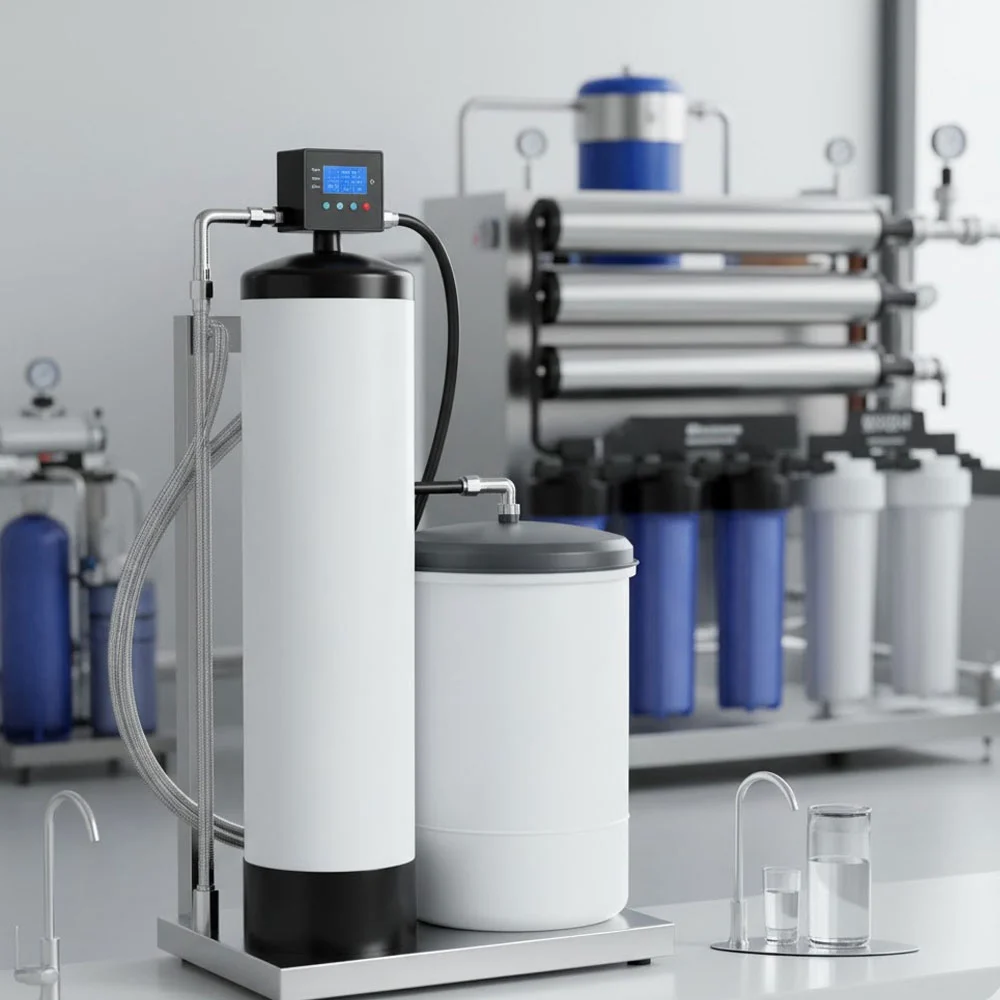
Well-selected commercial water softeners & filters can help businesses manage hardness, sediment, and certain substances that affect water quality or equipment performance. The appropriate combination depends on how water is used and what testing identifies.
For example, a restaurant may be dealing with mineral deposits on dishwashing equipment, while a hotel might want to reduce scale across a large hot-water system. A facility with sensitive production equipment may require more detailed water analysis before any treatment system is specified.
Capacity is particularly important in commercial settings. Equipment must handle periods of peak demand without creating pressure problems or interrupting normal operations. Installation space, drainage, maintenance access, and operating costs also need attention.
Businesses should ask providers to explain expected performance, replacement schedules, and servicing arrangements. Keeping records of test results and maintenance visits can help identify changes over time and support better planning. Preventive maintenance is often less disruptive than waiting until equipment performance begins to decline.
Choosing Equipment Without Overspending
More treatment equipment doesn’t necessarily mean better water. A property may need one targeted filter, while another requires a softener, sediment filtration, or a specialized disinfection system. The correct setup depends on the water conditions rather than the number of products a provider recommends.
Start by listing the problems you’ve noticed. Are there mineral deposits? Does the water have an unusual taste? Has testing identified a particular contaminant? These questions help narrow the options before you compare brands and prices.
Next, consider the full cost of ownership. The purchase price may be followed by installation fees, replacement cartridges, salt, electricity, routine servicing, and repairs. A system with a lower initial cost may become more expensive if its consumables are difficult to source or require frequent replacement.
Look for independent certification that relates to the performance you need, and ask providers to explain any limitations. Be cautious of claims that a single system removes every possible contaminant or guarantees perfect water under all conditions.
Maintenance Is Part of the Solution
Even suitable treatment equipment needs attention. Filters can become exhausted, UV lamps require replacement, and softeners or conditioners may need regular checks. Neglecting maintenance can reduce performance and may allow the original issue to return.
Follow the manufacturer’s instructions, keep service records, and pay attention to changes in taste, odor, pressure, or visible scale. If something changes suddenly, investigate rather than assuming the equipment simply needs a new filter.
For suspected contamination, contact your water supplier or local public health authority as appropriate. Treatment equipment should never replace proper testing or official safety advice.
A Practical Way Forward
Better water quality begins with reliable information. Understand your water source, investigate specific concerns, and choose treatment technology that matches the results. Whether you’re managing a family home or a busy commercial property, the right solution should be effective, affordable to maintain, and suited to the way water is actually used.
There’s no need to buy the most complicated system on the market. Start with the problem, ask sensible questions, and make decisions based on evidence. With appropriate testing and regular maintenance, water treatment can become a manageable part of protecting your plumbing, equipment, and everyday routines.