Water plays a part in nearly everything we do at home. We drink it, cook with it, shower in it, wash clothes with it, and depend on it to keep appliances running smoothly. So when something about the water feels off, the effects can show up in several places at once. Perhaps there’s an unusual smell near the kitchen sink, mineral buildup around bathroom fixtures, or staining that keeps returning despite regular cleaning. These problems can have different causes, which is why choosing the right treatment matters.
A water treatment system should do more than look impressive in a product brochure. It should address a specific concern, fit your household’s needs, and be practical to maintain over time. Understanding the available options makes it easier to separate useful technology from equipment you may not actually need.
Why Treat Water Throughout the Home?
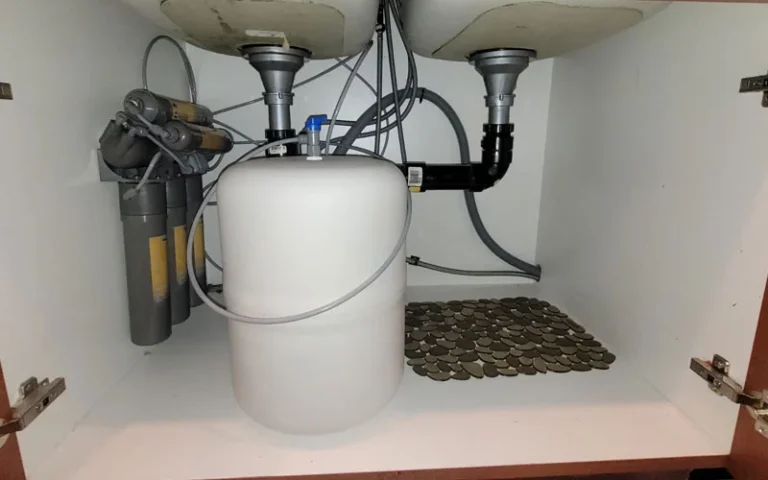
Many people begin by looking for a filter that fits beneath the kitchen sink. That’s a reasonable starting point if the main concern is drinking water. However, some water problems affect bathing, laundry, plumbing, and appliances as well. In those situations, treating water at the point where it enters the house may be worth considering.
A whole-house system treats water before it travels to individual taps and fixtures. Depending on its design, it may reduce sediment, address particular contaminants, improve certain aesthetic characteristics, or manage hardness minerals. The exact results depend on the treatment technology and the quality of the incoming water.
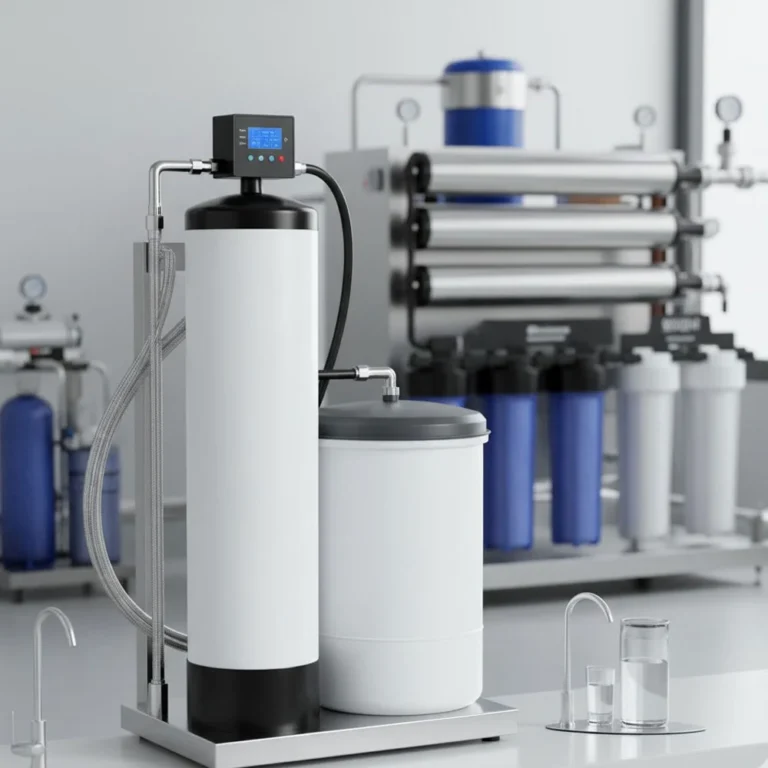
For households with several water concerns, whole house specialty systems can provide a more tailored approach than relying on a single general-purpose filter. These systems may combine different treatment stages, with each component handling a particular issue. For example, sediment filtration may protect equipment downstream, while a separate treatment stage targets a specific dissolved substance.
The important point is that whole-home treatment isn’t automatically necessary for everyone. If the water is already suitable and the only concern is taste at one drinking-water tap, a smaller point-of-use filter may be sufficient. Start with the problem, then decide how much treatment makes sense.
Understanding Chlorine and Water Odor
Municipal water suppliers commonly use chlorine or related disinfectants to control harmful microorganisms during treatment and distribution. This disinfection is an important part of protecting public health. Still, some people notice a swimming-pool-like smell or taste when they fill a glass or step into the shower.
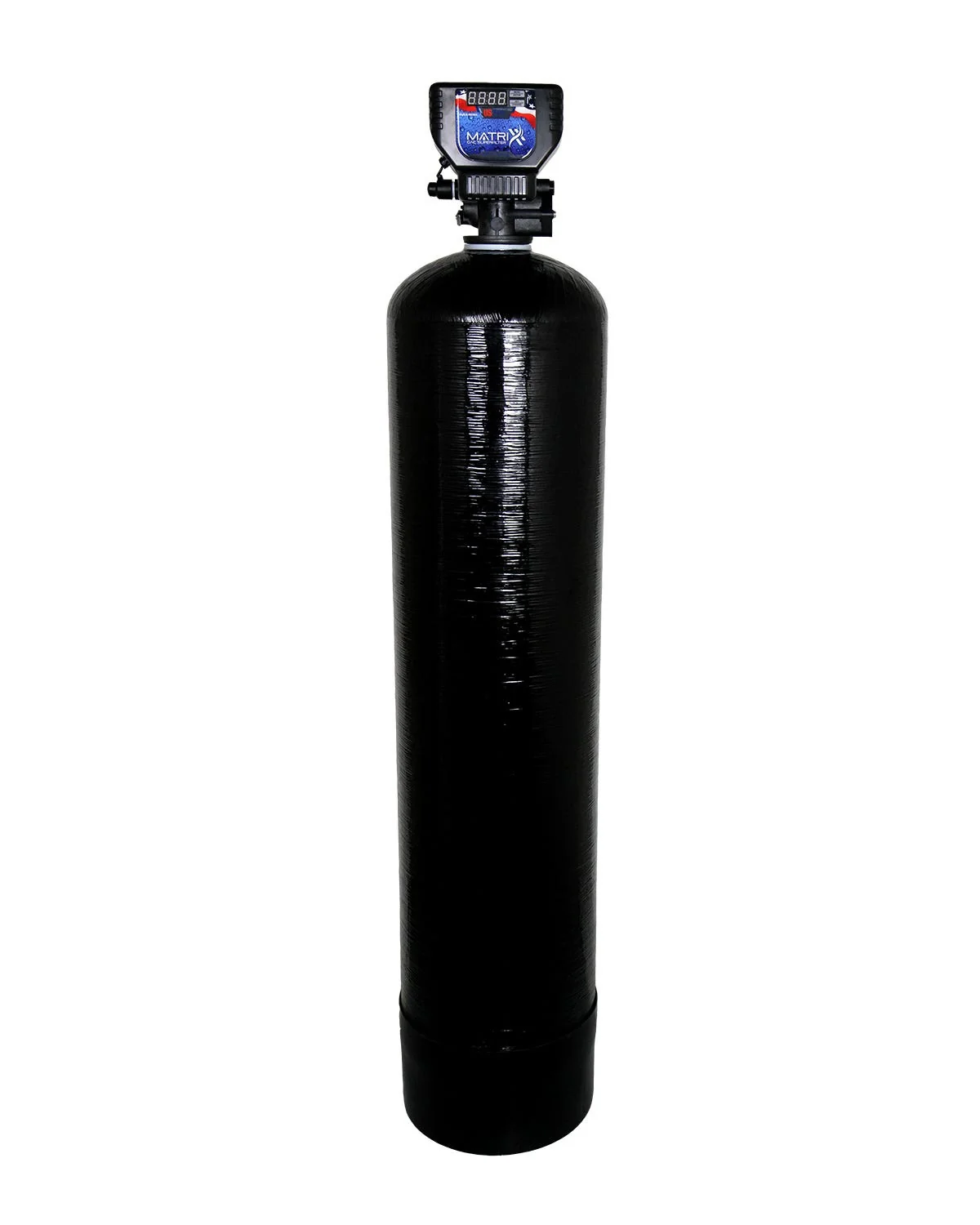
A dechlorinator is designed to reduce chlorine in water, usually through a treatment medium that reacts with or adsorbs the disinfectant. Activated carbon is commonly used for this purpose, although performance varies according to the carbon type, contact time, flow rate, and system design.
For a whole-home application, the equipment must be sized to handle the property’s peak water demand. A filter that works well at a kitchen tap may not perform adequately when someone is showering while the washing machine is running. Water moving through the system too quickly may not receive enough contact with the treatment medium.
It’s also important to distinguish free chlorine from chloramine, another disinfectant used by some water utilities. A filter effective against chlorine may not reduce chloramine equally well. Check the product specifications and confirm that the system is rated for the disinfectant present in your supply.
Reducing disinfectant levels throughout a home can also affect how water is protected after treatment. Follow the manufacturer’s maintenance instructions and consult a qualified water professional before selecting a system, especially if your water source or treatment needs are unusual.
What Is a Backwashing Filter?
Some water treatment systems use a process called backwashing to clean the filter media. During normal operation, water passes through the media, which captures or treats targeted substances. At scheduled intervals, the system reverses the flow, lifting and cleaning the media before returning to service.
Backwashing helps remove accumulated particles and can restore the media bed’s performance, depending on the type of filter and the material being treated. Many systems operate automatically, making routine maintenance less hands-on for the homeowner.
A macrolite backwashing filter uses specialized filter media in a backwashing arrangement and may be considered for certain sediment or particulate-filtration applications. Its suitability depends on the specific water conditions, the media configuration, and the manufacturer’s performance specifications. It should not be assumed to remove every dissolved contaminant simply because it is a backwashing filter.
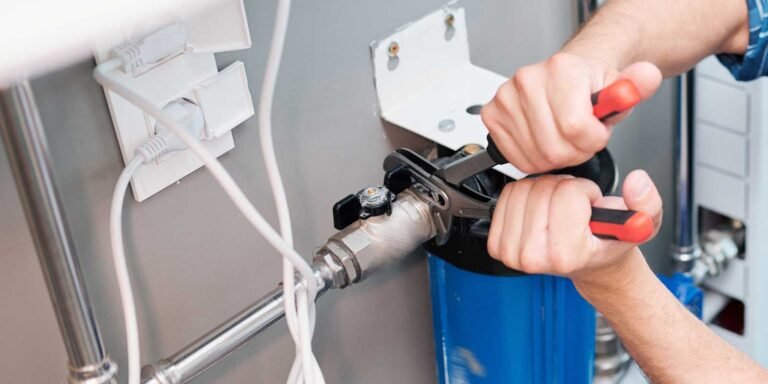
Proper installation is essential. The system needs adequate water flow for effective backwashing, suitable drainage, and enough space for servicing. If the supply pressure is too low or the drain arrangement is unsuitable, the filter may not clean itself correctly. A professional assessment can help identify these practical requirements before installation.
Match the Equipment to the Water Test
Before purchasing a treatment system, find out what’s actually in the water. Clear water can contain substances that aren’t visible, while an unpleasant smell may come from a relatively straightforward issue. Appearance and taste offer clues, but they cannot reliably identify every contaminant.
A water test should reflect your source and concerns. Municipal customers can begin by reviewing their supplier’s water quality report and investigating any household-specific symptoms. Private well owners generally need a more comprehensive testing routine, including checks for bacteria and locally relevant contaminants.
Testing may identify hardness, iron, sediment, pH concerns, or particular dissolved substances. Each result points toward a different solution. A softener, for instance, is intended primarily to reduce calcium and magnesium hardness; it isn’t a substitute for disinfection or a filter designed to remove a specific contaminant.
Ask the testing provider to explain the results in plain language. You should understand which measurements are outside recommended ranges, which issues affect appearance or convenience, and which ones may require prompt attention. That conversation helps prevent unnecessary purchases and makes comparing treatment systems far more straightforward.
Don’t Overlook Maintenance and Running Costs
Even a well-designed treatment system needs attention. Filter cartridges eventually require replacement, carbon media can lose effectiveness, and backwashing equipment needs to operate according to its specifications. Some systems also use electricity, salt, or water during regeneration and cleaning cycles.
When comparing products, look beyond the initial purchase price. Ask how often components need servicing, whether replacement media are readily available, and what the expected operating costs might be. A cheaper system can become expensive if its maintenance requirements are difficult to manage.
It’s also worth checking flow-rate ratings, warranty terms, certification claims, and the installer’s experience. Make sure the system can supply enough water during busy periods without creating an unnecessary pressure drop. If several treatment stages are proposed, ask what each one does and why it is needed.
Regular maintenance isn’t just about extending equipment life. It also helps ensure that the system continues to perform as intended. Keep records of filter changes, servicing, and any follow-up water tests. A simple reminder on your calendar can prevent a small maintenance task from slipping through the cracks.
A Practical Approach to Better Water
Choosing home water treatment doesn’t need to become a complicated project. Start by describing the problem clearly: an odor, a stain, hard-water scale, sediment, or a specific concern raised by a test. Then identify the treatment technology designed for that issue and confirm that it works with your incoming water.
The best system isn’t necessarily the largest or the most expensive. It’s the one that solves the right problem, fits your home’s water use, and remains manageable after the installer has left.
Water quality can vary from one property to another, even within the same neighborhood. Taking the time to test, compare, and ask sensible questions puts you in a much stronger position to choose confidently. With the right information and a realistic maintenance plan, water treatment can become a practical part of caring for your home rather than another source of uncertainty.