Most people notice their roof when something goes wrong. A drip lands on the kitchen floor. A shingle blows into the garden. Water marks appear on the ceiling after a night of hard rain. Until then, the roof tends to fade into the background, doing an important job without asking for much attention.
But roofs age whether we think about them or not. Sunlight, wind, rain, temperature changes, falling branches, and ordinary wear slowly take their toll. The good news is that homeowners can often catch problems before they become serious by paying attention to a few practical warning signs.
Roof care isn’t glamorous. It won’t make for the most exciting weekend project. Still, a little prevention can save a lot of money and frustration later.
Start With Regular Checks
A roof doesn’t need to be inspected every week. However, it does benefit from occasional attention, especially before and after seasons of severe weather.
Basic maintenance checks can reveal obvious issues such as missing shingles, damaged flashing, clogged gutters, sagging areas, or debris collecting on the roof.
You don’t necessarily need to climb onto the roof yourself. In fact, walking on roofing materials without proper safety equipment can be dangerous and may cause damage. A ground-level visual check is often enough to identify something that deserves professional attention.
Inside the home, look at the attic and ceilings too. Water stains, damp insulation, musty smells, or visible daylight through the roof deck may point to a problem above.
Weather Is Harder on a Roof Than It Looks
A calm roof can still be taking a beating from the elements.
UV exposure gradually affects roofing materials. Strong winds can lift edges or loosen shingles. Heavy rain repeatedly tests flashing and drainage areas. Hail can leave small impact marks that aren’t immediately obvious.
After a major storm, take a few minutes to look around the property. Check the ground for fallen roofing pieces and inspect gutters for unusual amounts of granules. Look for branches resting against the roof or signs that something has shifted.
If anything seems different, it’s worth getting a professional opinion.
Small Shingle Problems Deserve Attention
A missing or damaged shingle might not seem like an emergency, particularly if the weather is dry. But exposed areas can become vulnerable when the next storm arrives.
A professional can determine whether the damage is isolated or part of a broader pattern. If only a few shingles are affected and the surrounding roof is in good condition, shingle replacement may be a straightforward way to restore protection.
The key is matching the new material appropriately and installing it correctly. Roofing materials can change in color over time because of sun exposure, so a repaired section may not look exactly like the rest. That’s usually cosmetic, but it can be worth discussing before work begins.
Don’t Overlook the Roof Valleys
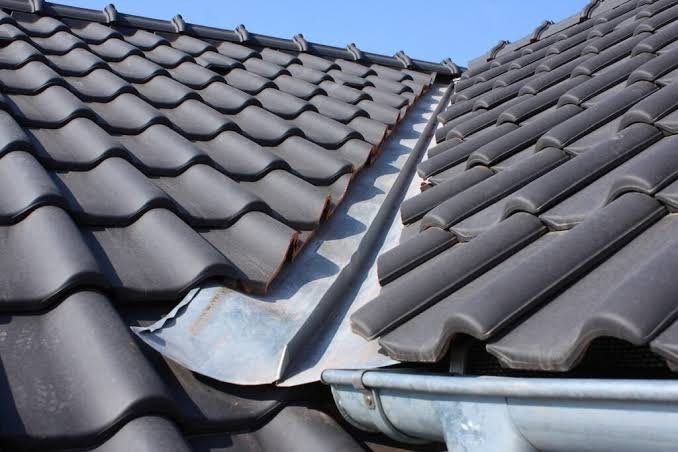
Roof valleys are the areas where two roof slopes meet. They often handle a significant amount of water, which makes them particularly important to the overall drainage system.
Leaves, branches, dirt, and other debris can collect there. Over time, damaged materials or improper installation can create pathways for water to enter the structure.
Roof valley repairs should be approached carefully because the problem may involve more than the surface material. Flashing, underlayment, surrounding shingles, and the roof deck may all need to be evaluated.
If you notice recurring stains near an interior wall or ceiling after rain, mention the possibility of a valley issue when arranging an inspection.
Gutters Are Part of Roof Protection
Gutters and downspouts play a supporting role in protecting the roof and the rest of the house.
When gutters become blocked, water may overflow along roof edges or run down exterior walls. In some cases, backed-up water can contribute to damage around fascia and other components.
Cleaning gutters periodically is a simple step homeowners can take. Check for sagging sections, leaks, loose fasteners, and downspouts that discharge water too close to the foundation.
If the roof is being repaired or replaced, have the drainage system checked at the same time. There’s little point in having a properly installed roof if rainwater isn’t being directed away effectively.
Flashing Can Be a Hidden Weak Point
Flashing is used around vulnerable areas such as chimneys, skylights, vents, walls, and other roof penetrations. It helps guide water away from joints and transitions where leaks are more likely to develop.
Damaged or deteriorated flashing can allow moisture into the structure while leaving the roof surface looking relatively normal.
This is one reason a roof inspection should look beyond shingles. If a leak keeps appearing in roughly the same area, the flashing or another nearby component may be responsible.
Don’t simply cover the interior stain and assume the issue is solved. Find the source.
Watch the Attic for Clues
Your attic can provide useful information about roof performance.
During a visual check, look for damp insulation, water marks, mold-like growth, damaged wood, or condensation. Excessive heat can also indicate ventilation problems.
Roof ventilation and insulation need to work together. If moisture accumulates in the attic, it can affect structural materials and potentially shorten the life of the roofing system.
Homeowners aren’t expected to diagnose ventilation problems themselves. The important thing is noticing unusual conditions and getting appropriate advice.
Know When a Roof Needs More Than a Repair
Routine maintenance and small repairs can extend the useful life of a roof, but no roofing system lasts forever.
Widespread shingle deterioration, repeated leaks, sagging, extensive storm damage, or an aging roof may indicate that replacement makes more sense than continued patching.
A good contractor should explain why replacement is being recommended and what evidence supports that decision. If you’re unsure, getting a second opinion isn’t unreasonable.
In fact, it can be one of the smartest things you do before committing to a large expense.
Choose Repairs With the Whole Roof in Mind
A repair shouldn’t just make one small section look better. It should restore the roof’s ability to shed water and perform properly.
Ask what caused the damage. Was it age? Wind? Poor drainage? A flashing problem? An installation issue?
Understanding the cause helps determine whether a simple repair is enough or whether something else needs attention.
This approach also reduces the chance of repeatedly paying to fix the same symptom.
Don’t Wait for a Ceiling Stain
One of the most frustrating things about roof leaks is that the interior warning can appear long after the original problem began.
Water can travel through roofing layers, insulation, framing, and ceilings before becoming visible. By the time a stain appears, the affected area may be larger than it looks.
That’s why preventative inspections are useful, particularly for older roofs or properties that have recently experienced severe weather.
You don’t need to spend every weekend worrying about the roof. A little awareness goes a long way.
Good Roof Care Is Mostly About Timing
Roof maintenance isn’t about making a home completely immune to damage. That’s impossible. It’s about catching problems when they’re still manageable.
Look at the roof occasionally. Keep drainage systems clear. Pay attention after storms. Check the attic for unusual moisture. Take small problems seriously enough to investigate them.
And when professional work is needed, choose someone who will explain what they’re doing rather than simply handing you a large invoice.
A roof does its best work when nobody notices it. It keeps rain outside, protects the structure, and helps the home stay comfortable through changing seasons.
Give it a little attention in return. Those quiet checks and timely repairs may not feel important today, but they can make a remarkable difference when the next big storm rolls through.