Water is one of those things most of us barely think about until something feels off. Maybe the shower leaves a chalky film on the glass. Maybe there’s a strange smell when you turn on the kitchen tap. Or perhaps the water looks perfectly clear, yet you still wonder what might be hiding in it.
The truth is, water quality can vary quite a bit from one home to another. Municipal water supplies are treated, but that doesn’t mean every household receives water with exactly the same characteristics. Private wells have their own set of challenges, too. Minerals, sediment, bacteria, metals, and other contaminants can affect how water tastes, smells, looks, or behaves around the house.
That’s why choosing a water treatment solution shouldn’t start with buying a piece of equipment. It should start with understanding the water itself.
Start With a Water Test
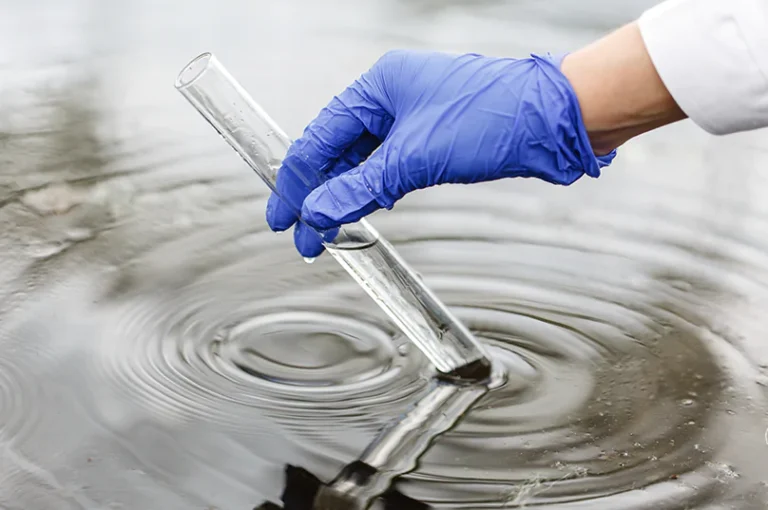
Before spending money on treatment equipment, it helps to know what you’re actually dealing with. A water test can reveal issues that aren’t obvious just by looking at a glass of water.
Simple test kits can check for things such as hardness, pH, chlorine, iron, or other common water-quality concerns. More detailed laboratory testing may be appropriate when you’re worried about contaminants that require more precise analysis.
This step can save you from guessing. If your main problem is hard water, for instance, you may need a softener rather than a filtration system designed for a completely different concern. On the other hand, if testing reveals a specific contaminant, a more targeted treatment approach may make sense.
It’s a little like taking your car to a mechanic because something sounds strange. You wouldn’t replace every part under the hood before figuring out what’s making the noise.
Hard Water Is More Than an Annoyance
Hard water is extremely common, and while it isn’t usually considered a major health concern, it can certainly make everyday household life more frustrating.
Calcium and magnesium are the main minerals responsible for hardness. Over time, they can leave scale on faucets, showerheads, appliances, dishes, and fixtures. Soap may not rinse away as easily, either. That familiar white buildup around the sink? Hard water could be part of the story.
A properly selected softening system can reduce these minerals and make water feel noticeably different. Clothes may feel softer after washing, cleaning can become easier, and appliances that use water may have less scale to deal with.
Still, it’s important to separate hardness from contamination. A water softener is not a universal solution for every water-quality issue.
When Disinfection Becomes Important
Some homes, particularly those using private wells, may need to pay closer attention to microorganisms in their water. Bacteria and other biological contaminants can sometimes enter groundwater through environmental conditions, damaged well components, or other pathways.
This is where ultraviolet treatment can be useful. UV systems use ultraviolet light to inactivate many microorganisms as water passes through the treatment chamber. They don’t work by adding chemicals to the water, which is one reason some homeowners find the approach appealing.
But UV treatment also has limitations. It doesn’t remove hardness, sediment, dissolved metals, or every type of contaminant. Water often needs to be properly filtered before reaching the UV chamber so that the light can work effectively.
Again, the lesson is simple: match the treatment to the problem.
Whole-Home Treatment Can Make Everyday Water Easier
Some homeowners only want to improve the water they drink and cook with. Others want better water throughout the property, including showers, laundry, bathrooms, and appliances.
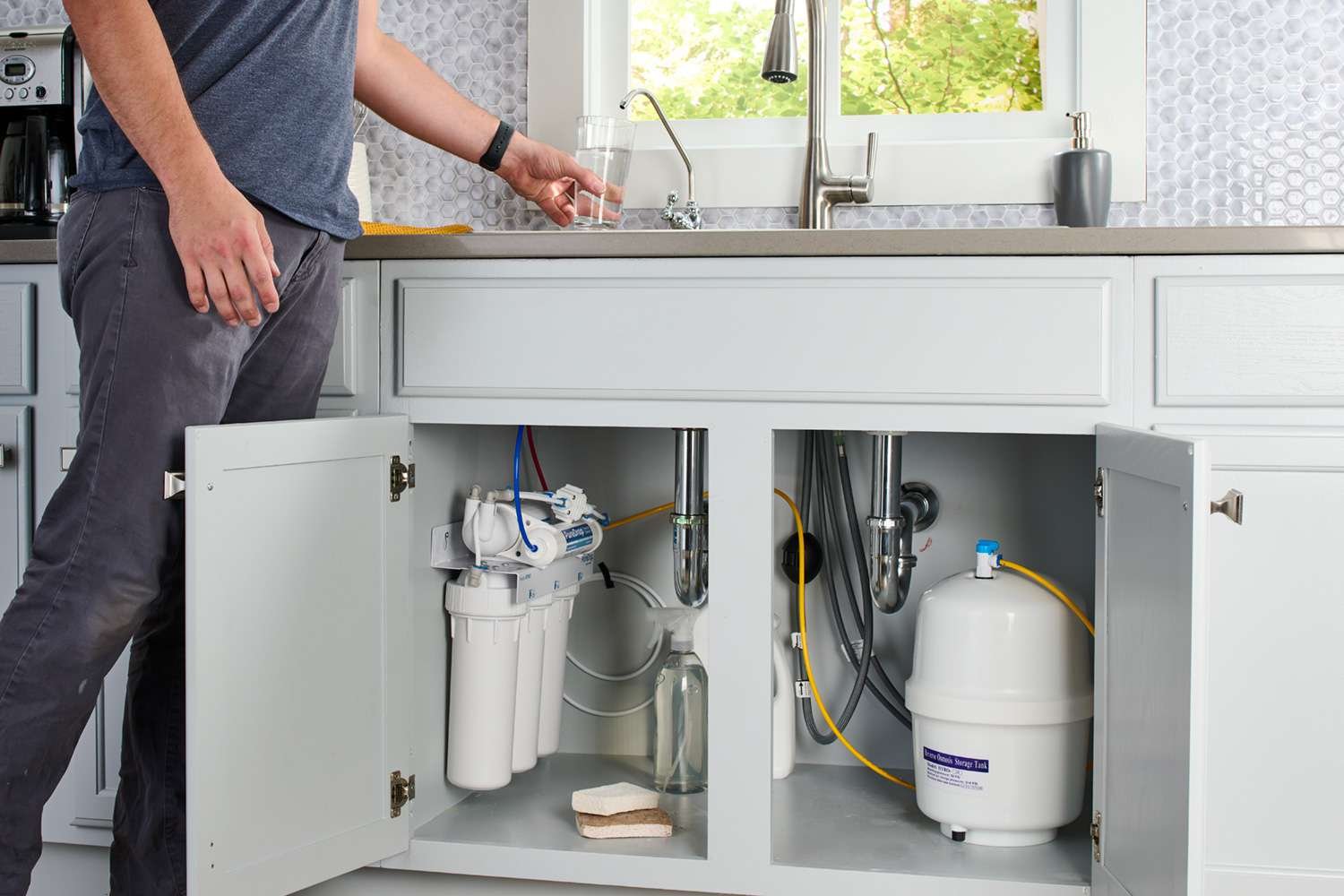
That’s where whole house systems can come into the conversation. Instead of treating water only at one faucet, these systems are designed to address water quality at a broader point in the home.
Depending on the setup, whole-home treatment may involve filtration, softening, disinfection, or a combination of technologies. The right configuration depends heavily on the source water and the problems identified through testing.
There’s no magic box that fixes everything. A good system is usually a collection of carefully chosen components working together for a specific purpose.
Don’t Forget About Sediment
Sediment is another issue that tends to get overlooked because it isn’t always dramatic. Tiny particles of sand, dirt, rust, or other material can enter a water supply and create problems over time.
A sediment filter can capture these particles before they travel deeper into a home’s plumbing system. That can be especially useful for well-water households or properties dealing with visible particles in their water.
The size and type of filter matter, though. A filter that works beautifully in one home might clog quickly in another. That’s why flow rate, sediment levels, filter capacity, and maintenance requirements deserve some attention before installation.
Taste and Odor Matter, Too
Water can meet basic safety requirements and still taste unpleasant. Chlorine, sulfur compounds, or certain minerals can create noticeable smells or flavors.
Activated carbon filtration is commonly used to improve taste and odor by reducing certain compounds from water. For many households, that small improvement can have a surprisingly big effect. People drink more water when they actually enjoy the water coming from the tap. It sounds obvious, but it’s easy to underestimate.
And when the whole family stops reaching for bottled water because the tap tastes better, there can be a practical financial benefit as well.
Maintenance Is Part of the Solution
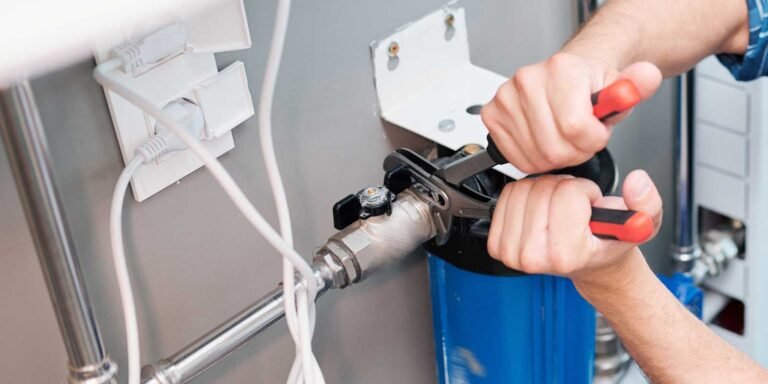
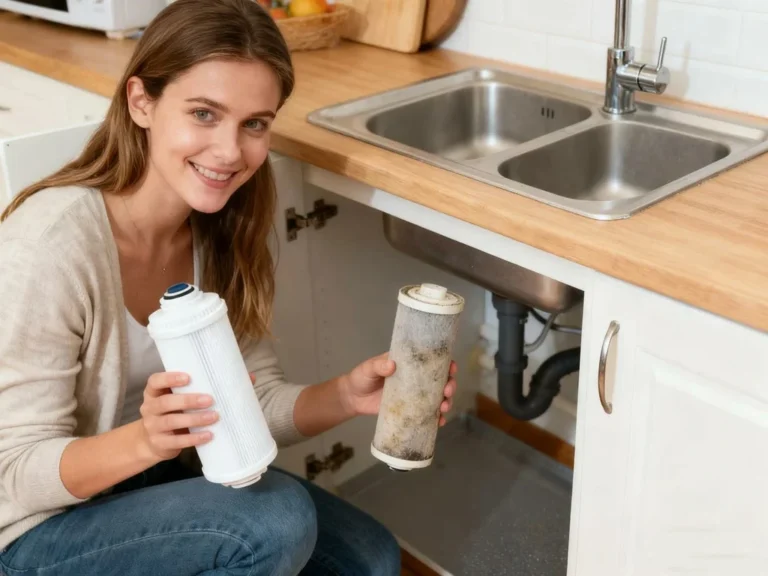
Even the right treatment system won’t perform well forever without basic care. Filters need replacement. Salt-based softeners need salt. UV equipment may require lamp replacement and cleaning. Components wear out.
This is the part homeowners sometimes overlook. Installing a treatment system isn’t the finish line; it’s more like the beginning of a routine.
Keeping records of filter changes, inspections, and service can make things easier. You don’t have to become a water-treatment expert. You just need to know what your system requires and when.
Choosing Equipment Without Overcomplicating Things
It’s tempting to choose the biggest or most advanced system available. More technology must mean better results, right?
Not necessarily.
An oversized or unnecessarily complicated system can cost more upfront and may require additional maintenance. A smaller, well-matched system can sometimes do exactly what the household needs without creating extra work.
Think about the household size, water usage, source water, existing plumbing, budget, and long-term maintenance. These practical details matter just as much as the equipment specifications.
A professional water-quality assessment can also help when the situation feels confusing. There’s no shame in asking for help. Water chemistry gets complicated quickly.
Better Water Starts With Better Information
There’s no single definition of “perfect” water. Every home has different plumbing, different source conditions, and different priorities.
The smartest approach is usually straightforward: test the water, identify the actual problems, choose treatment equipment that addresses those problems, and keep the system maintained.
Sometimes the solution may be simple. Sometimes it may involve several treatment stages. Either way, understanding what your water needs before buying equipment can prevent wasted money and unnecessary frustration.
At the end of the day, good water treatment isn’t about having the most impressive equipment in the basement. It’s about opening the tap every morning and knowing the water coming into your home has been treated for the issues that actually matter to you. That kind of peace of mind is much more valuable than a complicated system sitting quietly in the corner.