Most of us don’t give much thought to the water coming from the kitchen faucet. We fill the kettle, rinse fruit, make coffee, wash dishes and move on. It’s such a normal part of life that noticing something unusual can be surprisingly unsettling.
Maybe the water has started tasting different. Perhaps there’s a faint smell when you first turn on the tap, or the water looks slightly cloudy in a glass. Sometimes the issue isn’t obvious at all. You just notice that your coffee doesn’t taste quite the same as it used to.
These changes don’t necessarily mean there’s a serious problem. Water can naturally contain minerals and other substances, and municipal supplies may also have characteristics that affect taste and odor. Still, persistent changes are worth investigating rather than ignoring.
Taste Can Tell You Something
Taste is one of the first things people notice when water quality changes. A slight chlorine taste is relatively common in treated municipal water because chlorine or related disinfectants may be used to control microorganisms within the distribution system.
For many people, the taste is more of a nuisance than a reason for concern. Still, if you’re finding yourself reaching for bottled water every time you want a drink, it’s reasonable to look for ways to improve the flavor.
Activated carbon filtration is commonly used to reduce chlorine taste and odor. The right filter depends on the water source, the concentration involved and how much water the household uses.
The important part is choosing filtration based on the actual issue rather than assuming every filter does the same job.
Strange Smells Deserve a Closer Look
Water shouldn’t normally smell like rotten eggs, musty soil or anything else that makes you hesitate before taking a sip.
Some odors can be linked to naturally occurring substances in groundwater. Sulfur compounds, for example, are associated with a distinctive rotten-egg smell. Other odors may come from plumbing, stagnant water, disinfectants or organic material.
If the smell is sudden, strong or persistent, investigate it rather than simply masking it with a filter.
The source matters. A private well and a municipal water supply have different considerations, and the appropriate treatment depends on what’s causing the odor in the first place.
Don’t Ignore Sediment
Clear water isn’t always the whole story. Fine particles may enter a home’s water supply from a well, plumbing system or changes in the source.
Visible sediment can appear as tiny particles floating in the water or settling at the bottom of a glass. Sometimes it becomes more noticeable after plumbing work, heavy rain or changes in well conditions.
Sediment filtration can help capture particles before they travel farther into the home’s plumbing. It can also provide a useful first stage before other treatment equipment.
But particle size matters. A basic filter isn’t automatically designed to remove every possible substance from water, which is another reason testing and proper evaluation are valuable.
Start With the Source
One of the simplest questions to ask is where your water comes from.
Municipal water supplies are treated before reaching homes, although taste and mineral characteristics can still vary. Private wells are different. The homeowner is responsible for understanding and monitoring the well’s water quality.
Well water may contain minerals such as iron and manganese, as well as hardness or sediment. Local geology plays a role, and conditions can change over time.
If you’re on a private well, periodic testing is an important part of responsible water management. Don’t wait for the water to look strange before checking it.
Water Testing Removes the Guesswork
When something changes, it’s tempting to diagnose the problem based on appearance or taste. Sometimes that works. Often it doesn’t.
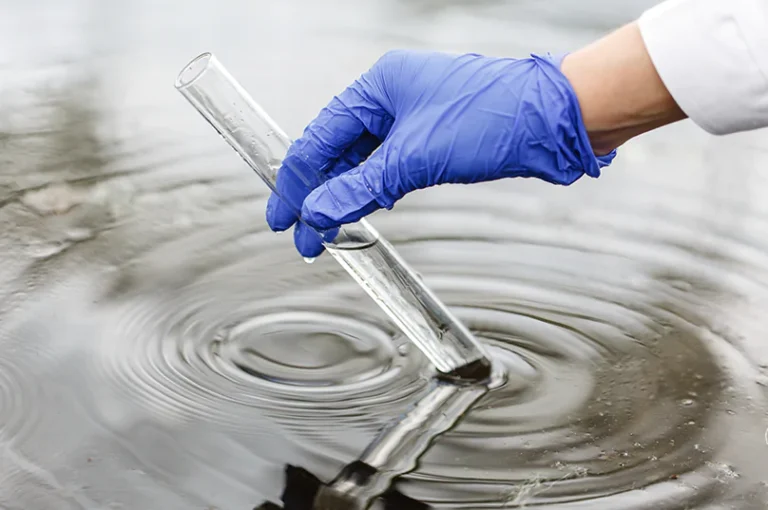
A water test can provide useful information about hardness, pH, iron, manganese, bacteria and other characteristics depending on what is being tested.
Testing is especially helpful before purchasing treatment equipment. Without it, homeowners may spend money on a system that addresses the wrong problem.
For example, a softener can be excellent for hard water but isn’t intended to remove every contaminant. A carbon filter can improve taste and odor but isn’t a universal solution either.
Knowing the problem first makes the equipment decision much easier.
Think About Where Treatment Is Needed
Not every water concern requires treating the entire house.
If the main complaint is the taste of drinking water, an under-sink filter may be enough. It can provide treated water for drinking and cooking while leaving the rest of the household supply unchanged.
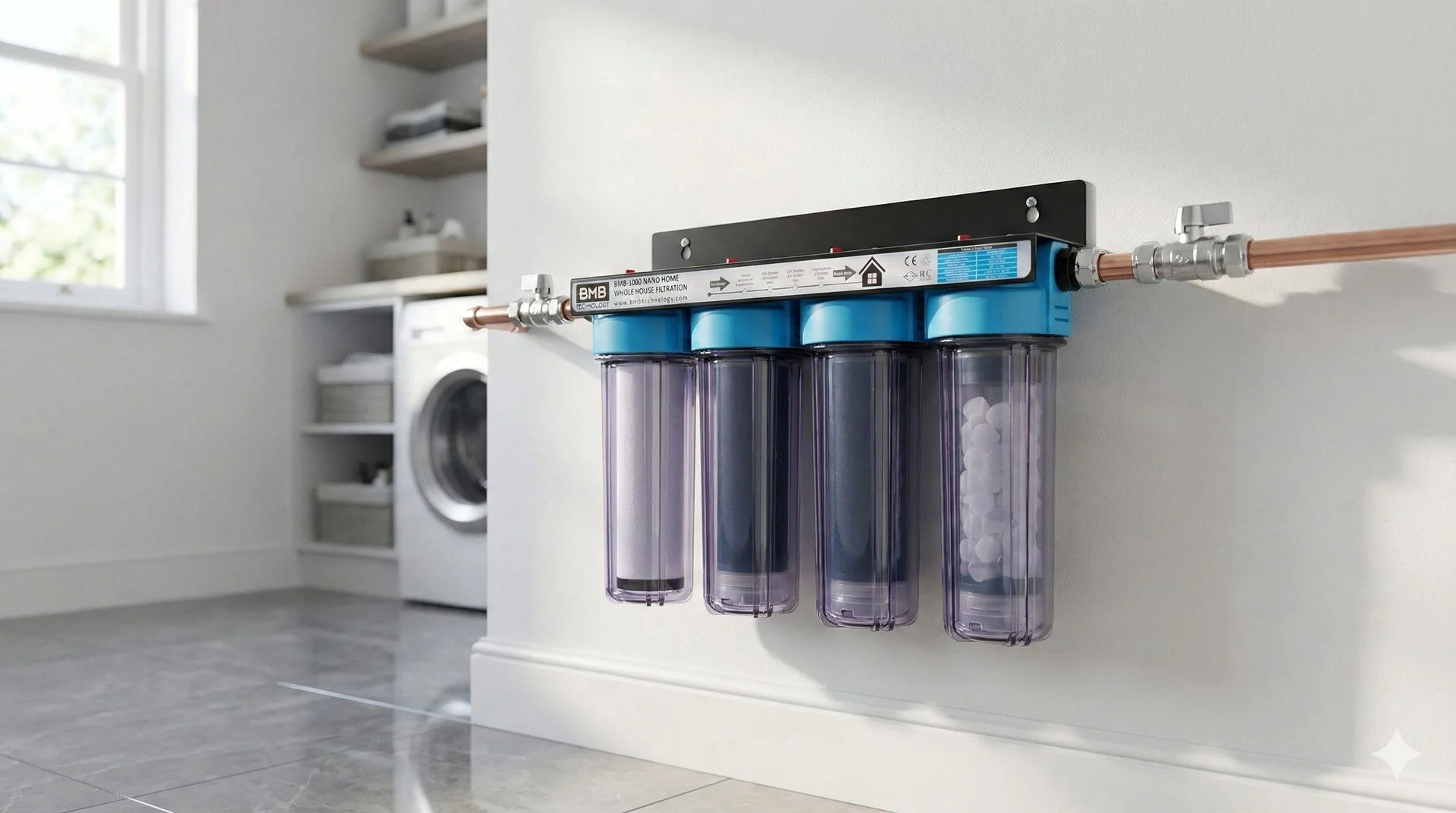
If sediment or another issue affects showers, laundry, appliances and multiple faucets, whole-home treatment may make more sense.
The right approach depends on the scope of the problem. There’s no real benefit in installing a large system simply because it sounds more powerful.
Hard Water Can Add Another Layer
Hard water is another common reason for household complaints. Calcium and magnesium can leave mineral deposits around faucets, shower doors and appliances.
You might notice cloudy glassware or scale around the showerhead. Soap may also behave differently, creating more residue during bathing or cleaning.
If hardness is confirmed through testing, water softening can help reduce the minerals responsible for scale. But again, treatment should match the problem.
A home with hard water and a chlorine taste may need a different approach from a home dealing primarily with sediment or iron.
Filters Need Attention Too
Installing a filter doesn’t mean you can forget about it.
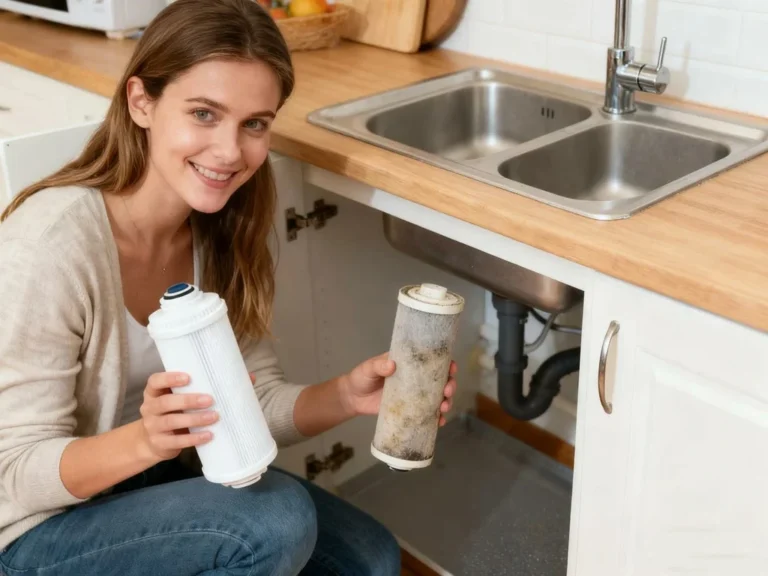
Filtration media becomes less effective as it collects the material it’s designed to reduce. Eventually, cartridges need replacement, and some systems require additional maintenance.
A neglected filter can restrict water flow and reduce treatment performance. In some cases, homeowners don’t realize there’s a maintenance issue until the water starts changing again.
Keep track of replacement dates and follow the manufacturer’s recommendations. It takes only a few minutes to write down a service date, but it can save considerable frustration later.
Pay Attention to Sudden Changes
A gradual change in taste might be related to normal variations in the water supply. A sudden, unexplained change deserves more attention.
If water develops a strong odor, unusual color, persistent cloudiness or a strange taste, investigate the source. Check whether the issue occurs at one faucet or throughout the property. If it’s only one fixture, plumbing may be part of the story.
If the change affects the entire house, water quality or the supply itself becomes more relevant.
That small distinction can help narrow down the cause.
Don’t Choose a System Based on Marketing Alone
Water treatment products can sound impressive. Multi-stage filtration, advanced media and high-capacity designs all have their place, but technical language shouldn’t make the decision for you.
Ask what the system is designed to remove. Ask how often filters need replacement. Ask how much water it can handle and what ongoing maintenance costs look like.
Most importantly, compare those answers with your actual water-quality results.
A modest system that solves a specific issue is often more useful than an elaborate setup that treats problems you don’t have.
Better Water Starts With Understanding It
Unusual taste, smells or visible particles can be frustrating, but they can also provide useful clues.
The best response isn’t to panic or immediately buy new equipment. Look at the water source, pay attention to where the problem appears, and test when appropriate. From there, choose treatment that addresses the specific issue.
Water doesn’t need to be complicated. It just needs to be understood.
Once the right solution is in place and maintained properly, those everyday annoyances can fade into the background again. The faucet becomes something you use without thinking, the coffee tastes like coffee again, and the glass of water on your desk is simply — water.
Sometimes that’s exactly what you want.