A home can be beautifully decorated, freshly painted, and filled with all the comforts you could want. But if the plumbing isn’t working properly, none of that matters for very long.
It usually starts with something small. The shower pressure isn’t quite right. A kitchen faucet leaves behind chalky spots. The toilet makes a strange sound after flushing. Or you notice that water seems to be taking longer than usual to disappear down the drain.
Most of us are tempted to ignore these things. Life gets busy. If the sink still drains, even slowly, it feels easier to carry on.
But plumbing has a habit of making small problems bigger when they’re left alone. A little attention at the right time can prevent water damage, unnecessary disruption, and expensive repairs later.
Start With the Water Coming Into Your Home
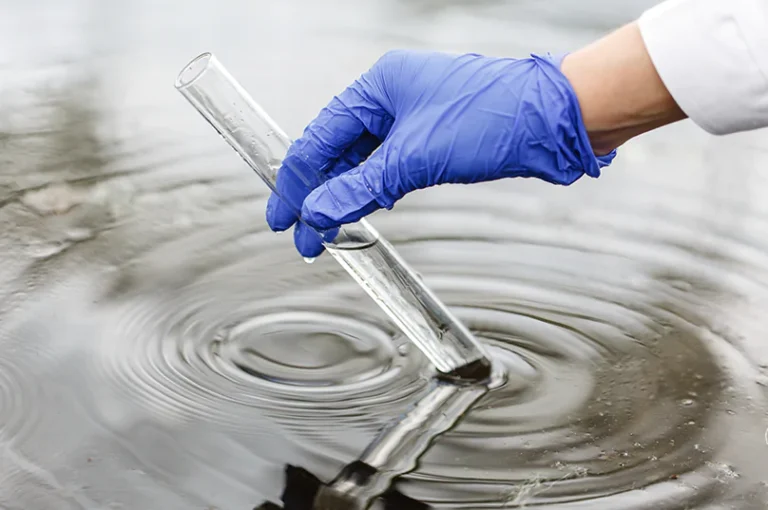
Water quality can be difficult to judge simply by looking at it. Clear water isn’t necessarily free of every unwanted substance, and problems aren’t always obvious at first.
You might notice mineral deposits around faucets, unpleasant tastes or odors, or scale building up inside appliances. In other cases, there may be concerns you can’t see at all.
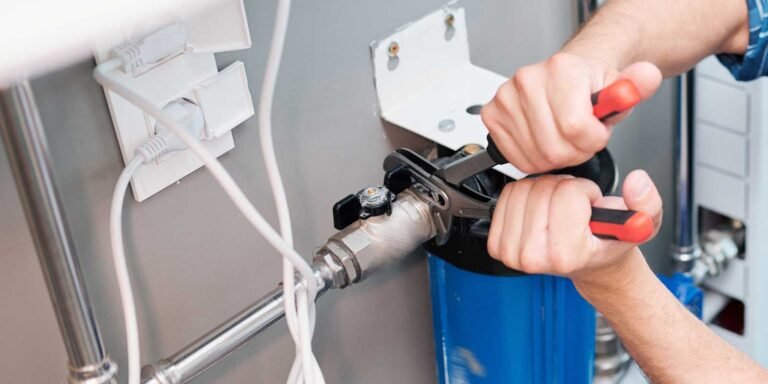
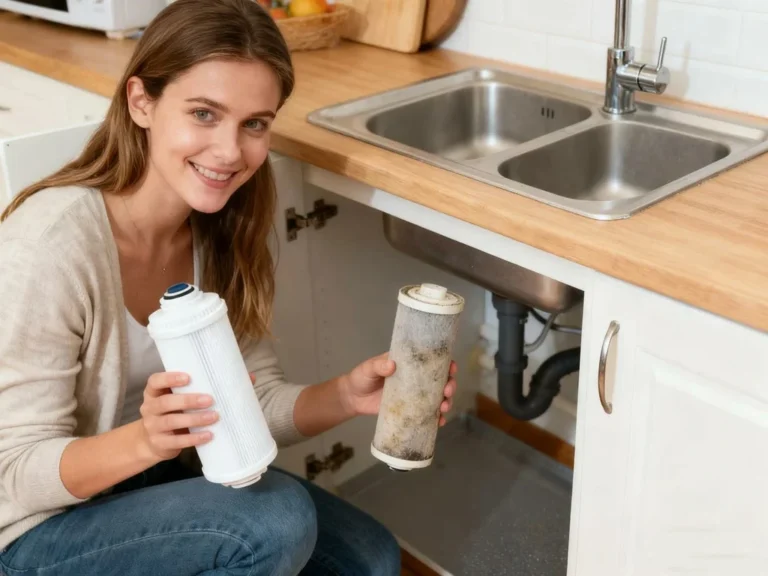
A properly selected water filtration system can help address specific water-quality issues, but it should be chosen based on actual testing and household needs. Different filtration technologies target different contaminants, so there isn’t one universal system that makes sense for every home.
That’s worth remembering before spending money on equipment. The best system isn’t necessarily the biggest or most expensive one. It’s the one that addresses the problem you actually have.
Your Waterline Is Easy to Forget
The pipes bringing water into your property spend most of their lives hidden underground or behind walls. That’s convenient, but it also means deterioration can go unnoticed.
Aging pipes may develop corrosion, cracks, weak joints, or leaks. Sometimes the first clue is a sudden drop in water pressure. Other times, it’s unexplained dampness, unusually high water usage, or recurring leaks in roughly the same area.
When problems are limited to one small section, a repair may be enough. If the line is deteriorating more broadly, waterline replacement & repair may be a better long-term approach.
The right answer depends on the pipe material, age, condition, location, and extent of the damage. Replacing an entire line unnecessarily can be expensive, but repeatedly repairing a failing system isn’t exactly economical either.
A proper inspection helps make that decision less of a guessing game.
Sewer Problems Often Start Quietly
Sewer issues aren’t always dramatic in the beginning.
Maybe one toilet is slow to flush. Perhaps the bathtub drains a little more slowly than usual. You might notice an unpleasant smell coming from a drain every now and then.
When several fixtures begin showing symptoms at the same time, the problem could be farther down the drainage system.
Roots can enter underground pipes. Grease and debris can accumulate. Older lines can crack, shift, or collapse. Sometimes a previous repair has simply reached the end of its useful life.
That’s why recurring sewer problems shouldn’t be treated as a series of unrelated clogs. There may be a common cause underneath them.
Gas Lines Require a Different Level of Caution
Water leaks are frustrating. Gas leaks can be dangerous.
Homes that use natural gas for cooking, heating, water heating, or other appliances depend on properly installed and maintained piping. Sewer & gas lines may be discussed together by plumbing companies because both can involve underground infrastructure and specialized repair work, but gas systems have their own safety requirements.
If you smell gas or strongly suspect a leak, don’t try to locate or repair it yourself. Leave the area and follow local emergency procedures. Avoid flames, electrical switches, or anything that could create an ignition source.
For gas work, qualified professionals should handle installation, testing, repairs, and modifications.
This is not a good place for DIY experimentation.
Don’t Ignore Recurring Drain Problems
A single clogged sink isn’t necessarily a big deal. It happens.
But when the same drain keeps clogging, it’s time to ask why.
Bathroom drains commonly collect hair and soap residue. Kitchen lines can develop grease and food buildup. Deeper problems may involve roots, damaged pipes, mineral deposits, or an obstruction farther down the system.
Chemical drain cleaners can sometimes provide temporary relief, but repeated use doesn’t address structural problems or persistent buildup.
If you’ve cleared the same drain several times and the problem keeps returning, professional diagnosis may save you considerable frustration.
Water Pressure Can Tell a Story
Water pressure isn’t just about comfort.
Sudden low pressure throughout the house can point toward a supply restriction, valve issue, pressure regulator problem, leak, or deteriorating piping. If only one faucet is affected, the cause may be much simpler.
High pressure is worth monitoring as well. Excessive pressure can place additional stress on fixtures, appliances, and pipe connections.
The key is noticing change.
If your home’s pressure has always been moderate, that’s one thing. If it suddenly drops or becomes unusually strong, don’t simply accept it as normal.
Watch for Hidden Water Damage
Some of the most expensive plumbing problems begin where you can’t see them.
Water behind a wall or beneath a floor can damage building materials slowly. You may first notice peeling paint, swollen wood, warped flooring, a musty smell, or a mysterious stain.
Check under sinks occasionally. Look around toilets and exposed connections. Pay attention to areas near water-using appliances.
If something feels damp when it shouldn’t, investigate.
It’s much easier to deal with a small leak than with the aftermath of months of hidden moisture.
Your Water Bill May Give You a Hint
Unexpected water usage can also be a clue.
If your household routines haven’t changed but the water bill suddenly increases, check for running toilets, dripping outdoor fixtures, irrigation issues, and visible leaks.
You can also turn off water-using fixtures and observe your water meter. If it continues to register usage, there may be water moving somewhere in the system.
This doesn’t automatically identify the cause, but it’s enough to justify further investigation.
Maintenance Doesn’t Have to Be Complicated
Plumbing maintenance is mostly about small habits.
Don’t pour cooking grease down the kitchen sink. Keep unsuitable items out of toilets. Clean faucet aerators and drain strainers. Look over visible pipes from time to time. Know where the main water shutoff is located.
If you have older plumbing or major equipment, periodic professional inspections can be useful too.
The idea isn’t to obsess over every pipe in the house. It’s simply to notice changes before they become emergencies.
Think Long Term, Not Just About Today’s Repair
When a plumbing problem appears, it’s natural to focus on getting it fixed as quickly as possible.
But sometimes the better question is, “Why did this happen?”
If a pipe keeps leaking in the same area, a larger issue may be involved. If a drain repeatedly blocks, clearing it again may not be the best answer. If water quality continues to cause scale and staining, treating the underlying issue could be more practical than constantly cleaning fixtures.
Good plumbing decisions look beyond the immediate symptom.
They consider the age of the system, the condition of the components, the household’s needs, and what solution is likely to remain useful over time.
A Healthy Plumbing System Should Stay in the Background
That’s really the goal.
You shouldn’t have to think about your waterline every morning. You shouldn’t wonder whether the drain will back up when guests arrive. And you certainly shouldn’t be surprised by a plumbing emergency that could have been prevented with earlier attention.
Pay attention to small changes. Deal with leaks promptly. Take recurring drainage issues seriously. Treat gas-related concerns with appropriate caution, and get professional advice when a problem goes beyond a basic household fix.
Plumbing may not be the most exciting part of owning a home. But when it works properly, it quietly makes almost everything else possible.
And sometimes, the best sign of a well-maintained plumbing system is that you hardly notice it at all.