Clean water is one of those things you don’t really appreciate until you notice something isn’t quite right. Maybe the tap water has developed a strange taste. There’s a faint odor in the morning shower. A glass left on the counter shows a cloudy film around the bottom. Or perhaps mineral deposits keep appearing no matter how often you clean the faucet.
These signs don’t always point to the same problem. Water can be affected by minerals, sediment, microorganisms, chemicals, or even the plumbing inside the home. And while some concerns are mostly about taste and convenience, others deserve more serious attention.
The good news is that modern treatment technologies give homeowners plenty of options. The trick is choosing the right one instead of simply buying the most complicated system available.
Start With the Water You Actually Have
Before considering equipment, understand the source of your water.
Municipal water is treated before it reaches households, but its characteristics can still vary depending on the local supply and plumbing infrastructure. Private wells can be even more variable, since groundwater chemistry is influenced by the surrounding geology and environmental conditions.
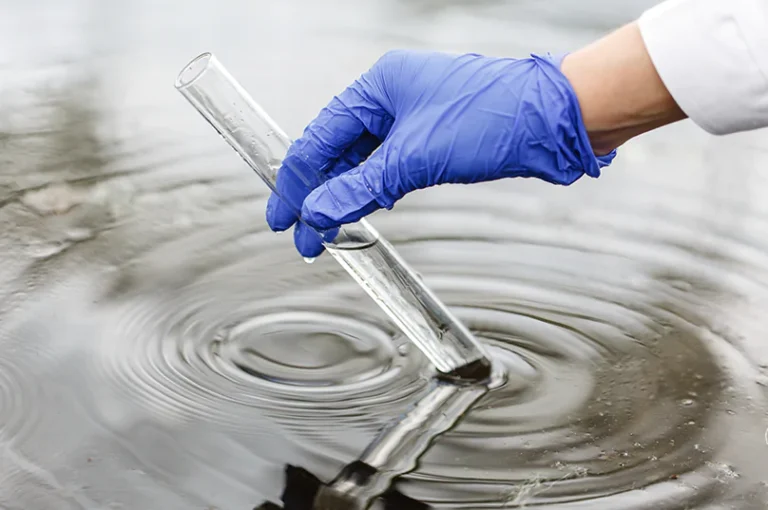
A water test can reveal useful information about hardness, pH, dissolved minerals, sediment and other characteristics. If there’s a particular contaminant you’re worried about, specialized testing may be appropriate.
This step can save money, too. Without testing, homeowners sometimes buy a system that addresses a problem they don’t actually have.
What Reverse Osmosis Is Good At
Reverse osmosis is a treatment process that uses pressure to push water through a semipermeable membrane. The membrane allows water to pass while reducing many dissolved substances.
It is commonly used for drinking-water applications, especially when homeowners want a higher level of treatment at a kitchen faucet.
One advantage is its ability to address a broad range of dissolved materials compared with many conventional filters. However, reverse osmosis isn’t a magic solution. The system requires regular maintenance, including filter and membrane replacement, and some designs produce wastewater during operation.
Water pressure and installation space matter, too.
For these reasons, reverse osmosis should be selected based on water-test results and household needs rather than simply because it sounds like an advanced technology.
When Disinfection Becomes Important
Filtration and disinfection are not the same thing.
A filter may physically remove particles or reduce certain chemicals, while disinfection focuses on microorganisms. This distinction becomes especially important for properties using private wells or other water sources where microbial contamination may be a concern.
Depending on the situation, treatment may involve ultraviolet light, chemical disinfection, or another approved method.
The goal of water sanitization is to reduce or inactivate harmful microorganisms so the treated water is safer for its intended use. The appropriate method depends on the source, test results and system design.
It’s also important to remember that disinfection doesn’t necessarily remove minerals, sediment or chemical contaminants. One treatment step may therefore need to work alongside another.
Hard Water Creates a Different Set of Problems
Hard water is caused mainly by calcium and magnesium. These minerals aren’t typically the kind of thing that makes water look alarming, but they can create a long list of household frustrations.
White scale around faucets is one obvious sign. Showerheads may clog. Soap may seem less effective. Water heaters and appliances can accumulate deposits over time.
A water softener is designed specifically to address hardness. Unlike a general-purpose filter, it changes the concentration of hardness minerals through an ion-exchange process.
Understanding this distinction helps homeowners avoid expecting one system to solve every water issue.
Sediment Can Be More Than an Eyesore
Small particles in water can come from wells, aging infrastructure, plumbing disturbances or other sources.
Sediment can collect inside faucet aerators, clog components and interfere with other treatment equipment. A properly sized sediment filter can help capture suspended particles before they travel farther into the household plumbing.
If you regularly find grit or visible particles in your water, it’s worth investigating the source instead of simply cleaning the faucet screen over and over.
Sometimes the simplest clue is sitting right in front of you.
Think About Taste and Odor
Not every water problem is a safety concern. Some are simply unpleasant.
Chlorine, sulfur compounds and certain minerals can affect taste or odor. Activated carbon filtration, aeration and other treatment methods may help depending on what testing reveals.
It’s important not to assume that a bad smell automatically means dangerous water, or that good-tasting water is automatically safe. Taste and safety are two different questions.
Testing can help separate them.
Whole-House Treatment Versus Drinking-Water Treatment
Another decision is whether treatment should happen throughout the home or only at specific points.
Whole-house treatment can make sense when the water has characteristics that affect showers, laundry, appliances and other fixtures. Point-of-use treatment may be more practical when the main concern is drinking and cooking water.
There’s no rule saying every home needs one approach.
In fact, combining different technologies can sometimes be more efficient. A sediment filter might protect the plumbing and downstream equipment, while a separate drinking-water system provides additional treatment at the kitchen sink.
Look at Operating Costs, Not Just Installation
A treatment system can be affordable to purchase and expensive to maintain, or the opposite.
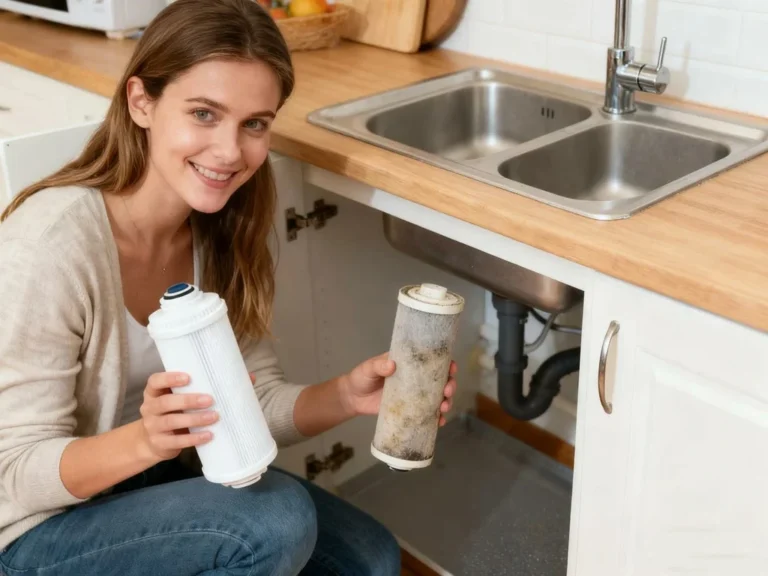
Consider replacement cartridges, membranes, salt, electricity, servicing and water usage. Ask how frequently components need to be replaced and whether replacement parts are easy to obtain.
If a system requires regular maintenance, make sure that maintenance is realistic for your household. A complicated setup that nobody remembers to service won’t perform as intended.
The best system is one you can live with, not merely one that looks impressive on paper.
Professional Advice Can Be Valuable
Water treatment is one of those areas where professional guidance can save a lot of trial and error.
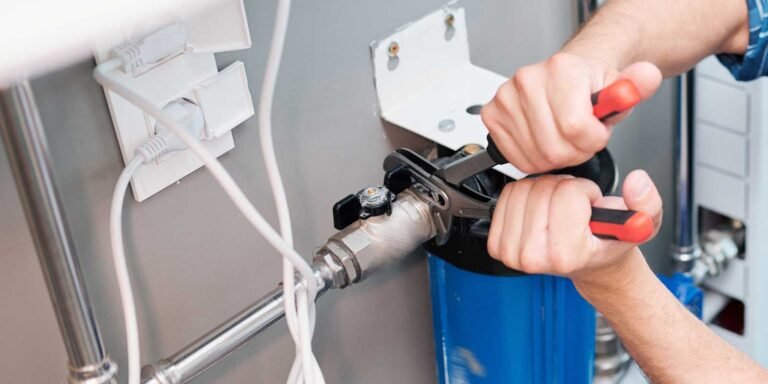
A qualified provider can review test results, discuss household water usage, evaluate flow requirements and recommend equipment based on actual conditions.
Don’t hesitate to ask why a particular technology has been recommended. What does it remove? How often does it need service? What happens if the system is not maintained?
Good professionals should be comfortable answering those questions.
A Complete Treatment Plan Should Fit Your Home
There are many different water treatment solutions available today, but choosing among them shouldn’t feel like a technology shopping contest.
The right solution depends on the water source, contaminants or characteristics that need attention, household size, available space, water demand and maintenance expectations.
Sometimes one straightforward treatment stage is enough. In other homes, a combination of filtration, softening and drinking-water treatment may be appropriate.
What matters is that every part of the system has a reason for being there.
Good Water Treatment Is About Confidence
At the end of the day, most homeowners aren’t looking for a complicated science project beneath the kitchen sink. They want water they feel comfortable drinking, bathing in and using around the house.
That starts with information.
Test the water when appropriate. Understand what the results mean. Learn what each treatment technology is designed to do. Consider the long-term maintenance requirements before buying.
And don’t be persuaded simply by the promise of “more purification.” Better treatment isn’t necessarily more treatment. It’s the treatment that matches the problem.
Once you find that balance, water quality becomes something you don’t have to worry about quite so much. The system works quietly in the background, the faucets stay cleaner, appliances are better protected, and that glass of water on the kitchen counter is just a glass of water again.
Sometimes, boring is exactly what you want from a home utility.