Clean water is something most people expect to have available whenever they turn on a tap. Yet the quality of a water supply can vary considerably depending on its source, the surrounding environment, and the condition of the plumbing. Private wells, in particular, may be affected by bacteria, sediment, minerals, and naturally occurring chemicals. Even municipal water can develop taste, odour, or contamination concerns after passing through aging household pipes.
Fortunately, modern water treatment offers several ways to improve water quality. UV disinfection, filtration, and chemical treatment each serve a different purpose. The challenge is knowing which option is appropriate for the problem at hand. A treatment system should never be selected simply because it sounds advanced. It should be chosen based on water testing, household needs, and the contaminants that actually need to be controlled.
Why Water Testing Should Come First
Before installing any treatment equipment, homeowners should understand what is present in their water. Clear water is not automatically safe, and an unpleasant taste does not always indicate a serious health risk. Some contaminants are visible, while others cannot be detected without laboratory analysis.
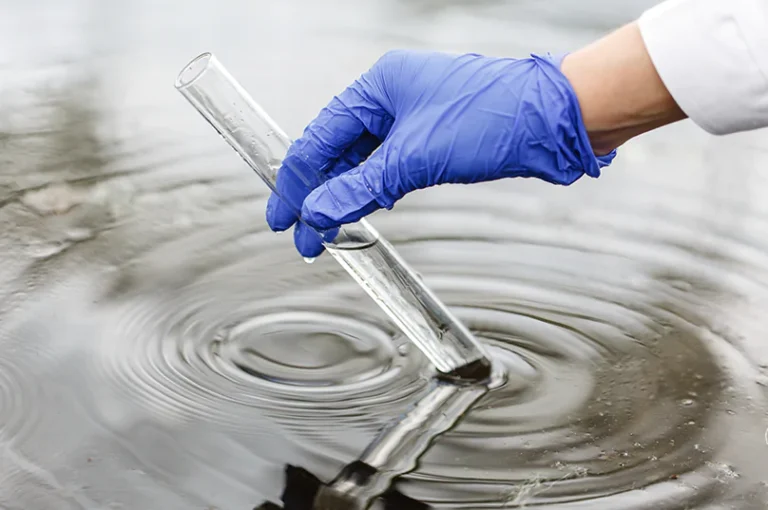
A comprehensive water test may examine bacteria, hardness, pH, iron, manganese, nitrates, dissolved solids, and other substances depending on the water source. Well owners may also need regular testing after flooding, repairs, or changes in taste and smell.
Testing prevents homeowners from choosing the wrong equipment. For example, a sediment filter may remove sand and rust particles, but it will not necessarily eliminate bacteria. Similarly, a UV system may control microorganisms but does not remove dissolved minerals or chemicals. Knowing the problem makes the treatment decision much more straightforward.
How UV Light Systems Work
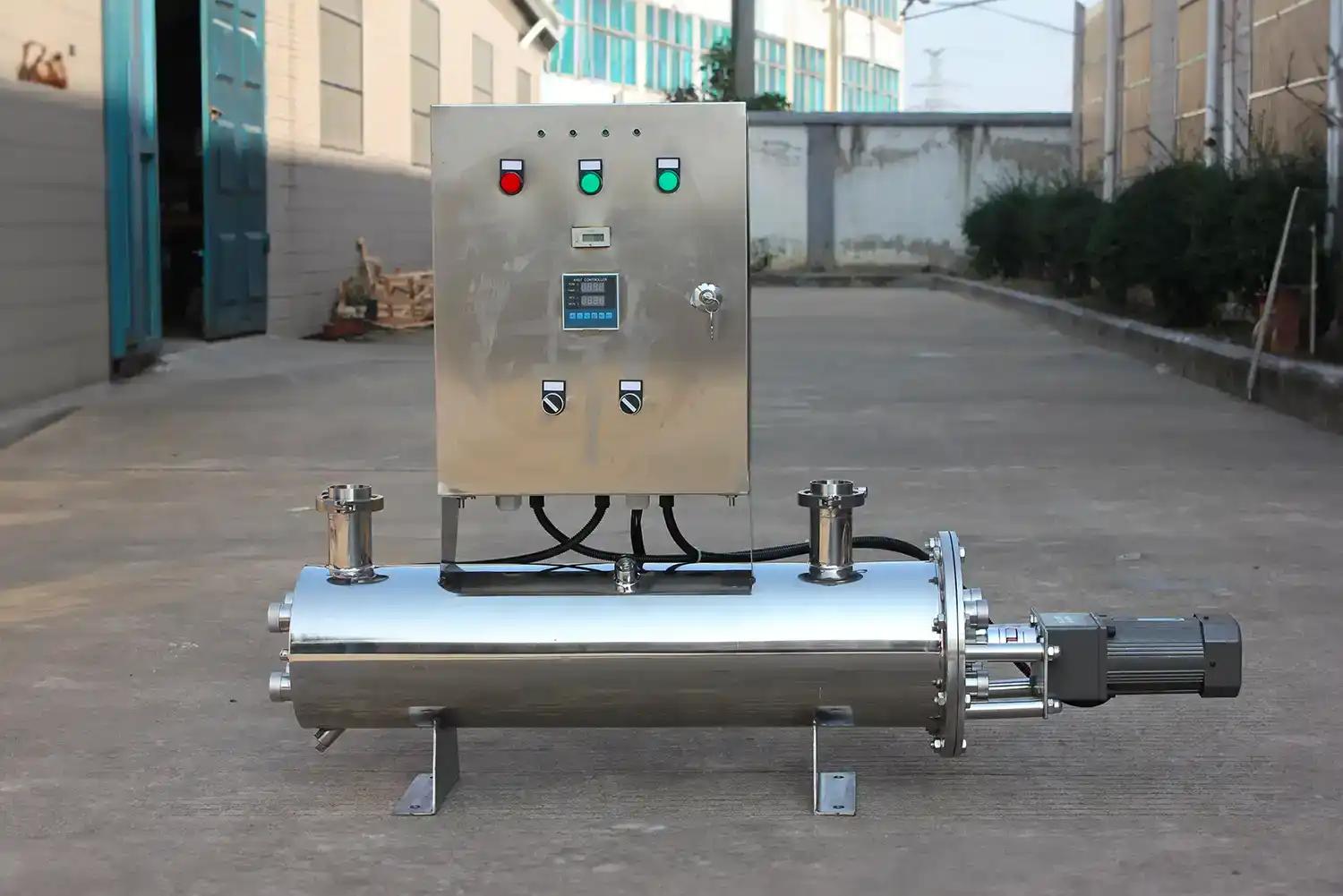
Ultraviolet disinfection is commonly used when microorganisms are a concern. UV light systems expose water to ultraviolet light at a specific wavelength that disrupts the DNA of many bacteria, viruses, and other microorganisms. This prevents them from reproducing and reduces their ability to cause infection.
One of the main advantages of UV treatment is that it does not add chemicals to the water. It also does not significantly change the taste, odour, or mineral content. For households using private wells, UV disinfection can provide an additional layer of protection when bacterial contamination is a known or potential risk.
However, UV treatment has limitations. It works best when the water is clear and free from excessive sediment or cloudiness. Particles can block the light and prevent microorganisms from receiving the necessary dose. For this reason, UV systems are often installed after sediment and other pre-filtration stages.
UV lamps also require regular replacement, even if they still appear to be illuminated. The lamp’s ability to produce effective germicidal energy decreases over time. A system with a faulty sensor, dirty quartz sleeve, or neglected lamp may not provide the expected protection.
The Importance of Water Filters
Filtration is one of the most widely used approaches to water treatment. Water filters are designed to capture or reduce specific substances, but their effectiveness depends on the filter material and its intended purpose.
Sediment filters are useful for removing sand, silt, rust, and other suspended particles. They are often installed as a first stage to protect other treatment equipment. Carbon filters are commonly used to reduce chlorine, certain organic compounds, unpleasant tastes, and odours. Specialized media may be used for iron, manganese, sulfur, or other water concerns.
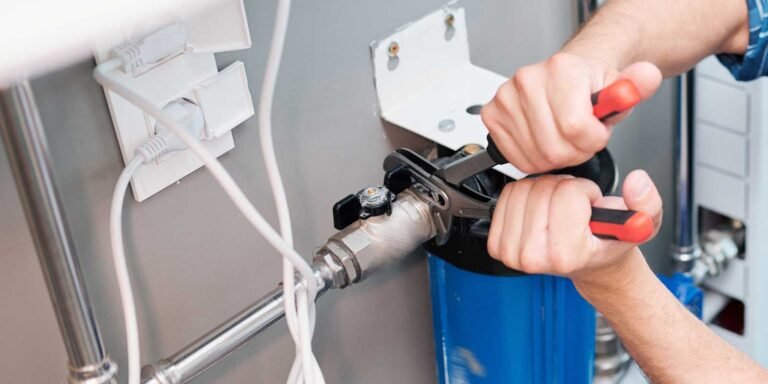
Filters can be installed at different points in a property. A whole-house system treats water as it enters the building, which can help improve water quality at showers, sinks, washing machines, and other fixtures. Point-of-use filters, meanwhile, are installed at a specific tap or appliance and may be suitable when the main concern is drinking and cooking water.
Choosing a filter requires attention to more than its advertised contaminant list. Flow rate, filter capacity, pressure loss, replacement cost, and maintenance requirements all affect performance. A filter that is too small may become clogged quickly, while one that is poorly matched to the water chemistry may fail to deliver useful results.
When Chemical Injection Systems Are Used
Some water conditions require a treatment method that goes beyond basic filtration or UV disinfection. Chemical injection systems introduce a controlled amount of a treatment chemical into the water to address specific problems. Depending on the design, chemicals may be used for disinfection, oxidation, pH adjustment, or the removal of substances such as iron and hydrogen sulfide.
For example, chlorine injection can help control certain microorganisms and oxidize dissolved iron or sulfur compounds. Once these substances are converted into particles, they can often be removed through a filtration stage. Other chemical treatments may be used to adjust water chemistry or control corrosion.
Chemical injection systems can be highly effective, but they require careful design and monitoring. The dosage must match the water flow and contaminant levels. Too little chemical may fail to solve the problem, while too much can create taste, odour, or safety concerns.
These systems may also need chemical storage tanks, metering pumps, mixing space, and regular maintenance. Because of this, they are often better suited to complex residential systems, agricultural properties, commercial facilities, or industrial applications where water conditions justify the additional equipment.
Combining Treatment Methods for Better Results
Water problems rarely fit into one simple category. A home may have bacteria concerns along with sediment, iron, or hardness. In such cases, a combination of treatment methods may be more effective than relying on a single device.
A typical treatment arrangement might begin with a sediment filter to remove larger particles. Depending on the test results, the water may then pass through an iron filter, carbon filter, softener, chemical injection stage, or UV disinfection unit. The exact order matters because one system can affect the performance of another.
For example, UV treatment should generally receive clear, pre-filtered water. A softener may be used to reduce hardness, but it should not be expected to disinfect the supply. Carbon filtration may improve taste and odour but may not remove every chemical or microorganism.
A professional water treatment provider can design a system that works as a coordinated process rather than a collection of unrelated products.
Maintenance Makes the Difference
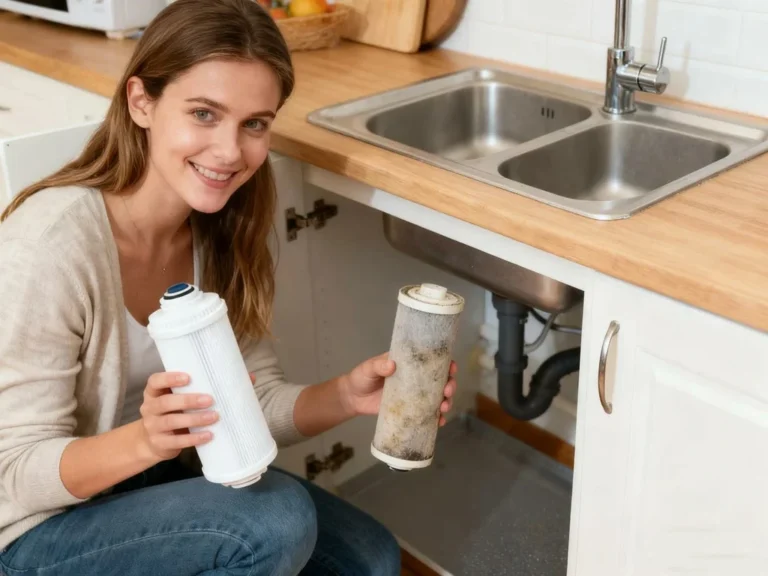
Even the best treatment system requires ongoing care. Filters need to be replaced or cleaned, UV lamps must be changed on schedule, and chemical injection equipment requires inspections and dosage checks. Neglected systems can lose effectiveness and may create additional problems.
Homeowners should follow the manufacturer’s maintenance instructions and keep records of filter changes, water tests, and service visits. If a system includes alarms or monitoring equipment, those warnings should be addressed promptly.
Water conditions can also change over time. Retesting is useful when the water source changes, a well is repaired, flooding occurs, or the taste and appearance of water become unusual. Treatment should evolve when the water itself changes.
Choosing a System with Confidence
UV disinfection, filtration, and chemical treatment each have an important role in water management. The right choice depends on the source water, the contaminants present, the amount of water used, and the level of maintenance a homeowner or business can manage.
The most sensible process begins with testing and continues with professional system selection. Rather than buying equipment based on broad promises, ask what the system is designed to remove, what it cannot address, how it should be maintained, and what operating costs to expect.
Reliable water treatment is not about choosing the most complicated technology. It is about matching the right method to the right problem. With accurate testing, thoughtful installation, and regular maintenance, homeowners can improve water quality, protect plumbing and appliances, and enjoy greater confidence in the water they use every day.