Most of us expect the water coming from a household tap to be, well, uneventful. Turn the handle, fill the glass, move on. But then you notice a strange taste in your coffee, a faint smell after running the kitchen faucet, or white marks that keep appearing on the shower glass no matter how often you clean it.
Those little details can be frustrating. They can also be useful clues.
Water quality is influenced by its source, local conditions, plumbing, and the substances naturally or otherwise present in the supply. A home using a private well may have very different concerns from one connected to a municipal system. Even neighboring houses can experience different issues.
So, before choosing a treatment system, it helps to slow down and ask a simple question: what exactly needs to be improved?
Start With Testing, Not Guesswork
The most sensible water-treatment decisions usually begin with testing.
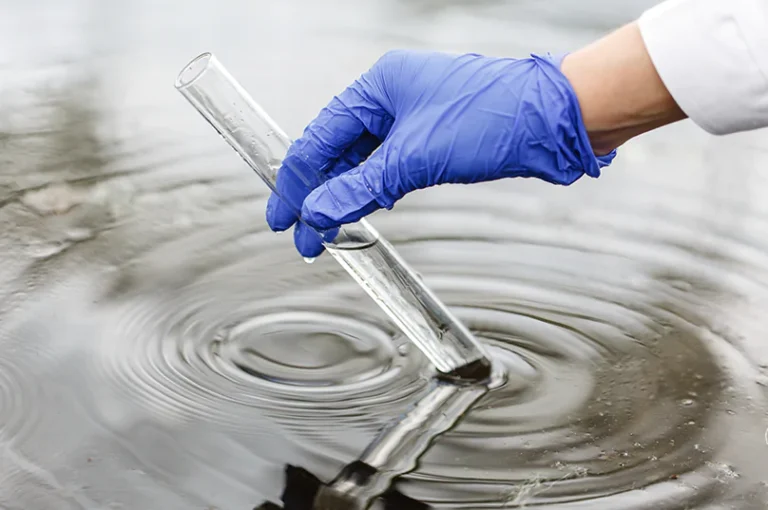
A water analysis can reveal characteristics that aren’t obvious from appearance alone. Depending on the source and concerns, testing may examine hardness, pH, iron, manganese, sediment, dissolved solids, and other potential issues.
This matters because treatment technologies aren’t interchangeable. A system designed to reduce sediment isn’t necessarily going to address hardness, and equipment intended for one contaminant may do very little against another.
It’s tempting to buy the product with the longest feature list. But water treatment isn’t really a contest between gadgets. The goal is to identify the problem first and then choose a practical solution.
What Filtration Can and Can’t Do
The term water filtration covers a surprisingly broad range of technologies.
Some filters are designed to capture sediment and physical particles. Carbon-based filters can help reduce certain tastes and odors, including chlorine-related characteristics. Specialized media may be selected for concerns such as iron or sulfur-related odors.
Because these systems work differently, homeowners should look at what a particular filter is certified or designed to reduce rather than assuming that “filtered” means “everything removed.”
That’s an important distinction.
Good treatment doesn’t mean stripping every substance from water. It means reducing the substances that actually need attention while maintaining a system that makes sense for the household.
Hard Water Can Be a Household Nuisance
Hard water is one of the most common reasons homeowners start researching treatment.
Calcium and magnesium in water can create scale on faucets, showerheads, appliances, and glass surfaces. Soap may lather differently. Dishes can develop spots. Over time, mineral deposits can become a persistent maintenance headache.
A water softener can be useful when hardness is the primary concern. Unlike a standard drinking-water filter, a softener is designed specifically to reduce hardness minerals.
The key is proper sizing and setup. A system should reflect the home’s water hardness and typical consumption rather than being selected simply because it is the largest model available.
Bigger isn’t automatically better. Sometimes it just means bigger equipment sitting in the utility room.
When UV Treatment Makes Sense
Not every water-quality concern involves minerals or sediment.
For some private wells and other applications, microbial contamination may be a concern. Ultraviolet treatment uses UV light to inactivate microorganisms as water passes through the treatment chamber.
UV disinfection doesn’t work like a traditional sediment filter. It also doesn’t remove minerals, chemicals, or particles simply because the water passes under a UV lamp.
That means system design matters. Water may need appropriate pre-filtration so particles don’t interfere with the treatment process. The UV equipment also requires regular maintenance and monitoring according to the manufacturer’s recommendations.
If microbial quality is a concern, testing should guide the decision rather than relying on assumptions.
Think About Where Treatment Is Needed
One of the biggest decisions is whether to treat water throughout the house or only at specific points.
If the problem affects showers, laundry, appliances, and multiple faucets, a whole-home approach may make sense. If the main concern is drinking and cooking water, a point-of-use system could be sufficient.
There isn’t much value in treating water in areas where treatment isn’t necessary.
On the other hand, if hardness is damaging appliances throughout the house, a small kitchen filter won’t address the underlying issue. That’s why the treatment location should be part of the planning process from the beginning.
Whole-House Systems Need Proper Planning
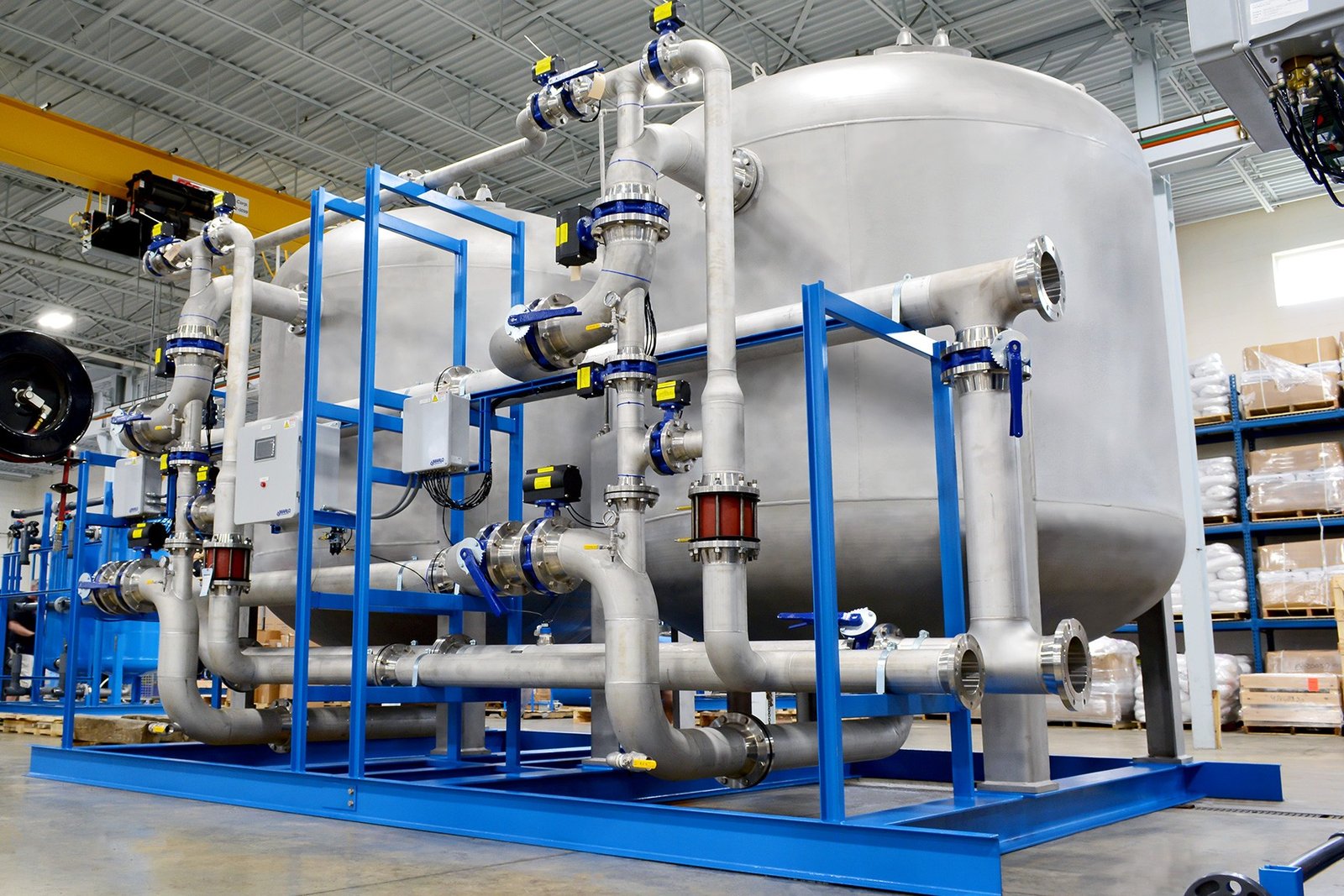
Modern whole house systems can combine different treatment stages, but combining equipment doesn’t automatically create a better solution.
A multi-stage setup might include sediment filtration followed by carbon treatment, softening, or another specialized technology. The exact arrangement depends on water quality, household demand, pressure, available space, and the intended results.
Flow rate is especially important. A system needs to deliver enough treated water when multiple fixtures are being used. A household with several bathrooms has different peak demands from a small apartment.
Drainage, electrical requirements, filter accessibility, and plumbing connections also deserve attention.
It’s not particularly helpful to install a sophisticated system that nobody can comfortably service later.
Installation Is Part of Performance
Even high-quality treatment equipment can underperform if it is poorly installed.
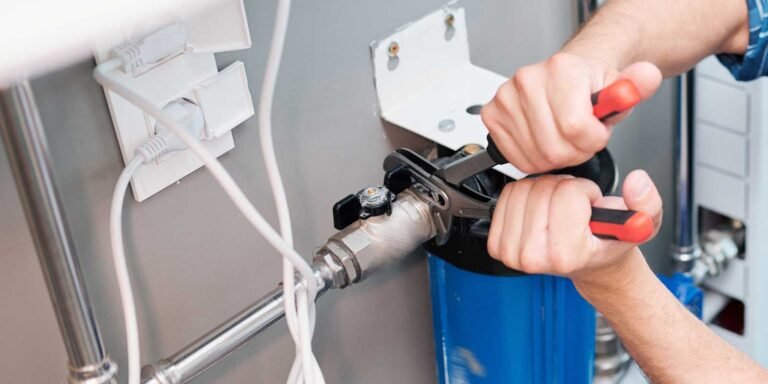
Pipes need to be correctly connected. Valves must be positioned appropriately. Filters and tanks should be accessible. Drain lines need to be properly configured where required.
Pressure should also be considered. If the home’s existing water pressure is already problematic, adding equipment without addressing that issue may create more frustration.
Professional installation can help ensure the system works with the home’s plumbing rather than becoming an awkward addition to it.
And don’t be afraid to ask questions. A homeowner should know how to operate the system, where the shutoff or bypass is located, and what routine maintenance will be required.
Maintenance Keeps Treatment Effective
Water-treatment equipment isn’t maintenance-free.
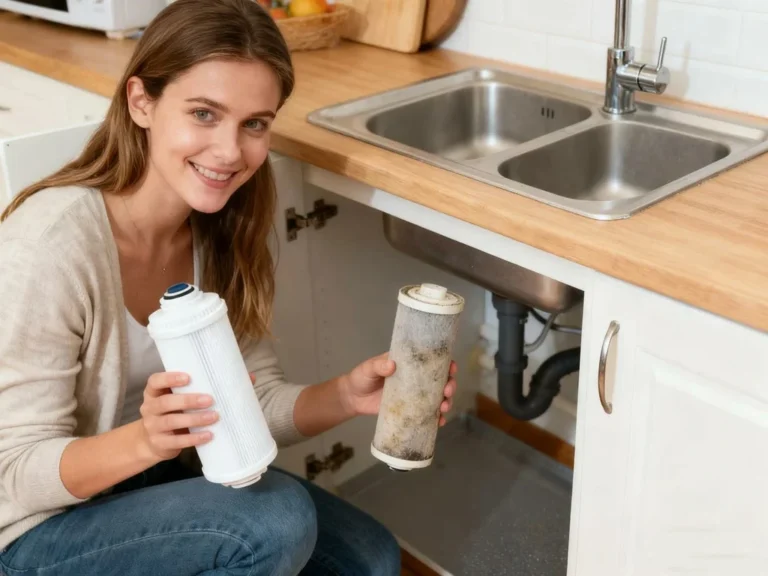
Filters need replacement. UV components have service requirements. Softener systems need routine attention. Connections and other components may need inspection over time.
A system can slowly lose effectiveness without producing an obvious warning. Maybe the water begins tasting different, sediment starts appearing again, or scale gradually returns.
Keeping a simple maintenance record helps. Note when filters were installed and replaced, when service was performed, and what components are expected to need attention in the future.
It’s a small habit, but it prevents the classic “When did we last change that?” problem.
Don’t Choose Based on Marketing Alone
Water-treatment products often come with impressive-sounding descriptions. Advanced. Premium. Maximum protection. Multi-stage purification.
Those terms aren’t necessarily meaningless, but they don’t tell you whether a product is right for your home.
Ask what the equipment is designed to reduce. Ask whether the claim is supported by appropriate testing or certification. Find out how often components need replacement and what those replacements cost.
Also consider water waste, energy use, installation requirements, and the system’s expected service life where applicable.
The cheapest option isn’t always the least expensive over ten years, and the most expensive option isn’t automatically the most effective.
Good Water Treatment Is Personal
There is no universal water-treatment setup that belongs in every home.
The right choice depends on your water source, test results, household size, plumbing, budget, and priorities. One homeowner may mainly need hardness control. Another may be dealing with sediment or odor. Someone else may want specialized treatment for drinking water.
That’s why a thoughtful process matters more than a flashy product.
Test the water. Understand the problem. Decide where treatment is actually needed. Choose technology based on evidence, then install and maintain it properly.
At the end of the day, water treatment should make life easier, not more complicated. You shouldn’t have to become an expert in filtration technology just to enjoy a glass of water from your own kitchen.
The best system is usually the one that quietly does its job, fits the home, and continues doing that job because someone took the time to choose it carefully.