Water treatment equipment has a funny way of becoming invisible.
When everything is working, you don’t think about the filter tucked beneath the sink or the softener sitting quietly in a utility area. Water comes out, dishes get washed, showers happen, and life carries on.
Then one morning the water pressure feels different.
Or the shower door starts collecting mineral spots again. Maybe the water tastes unusual, the softener isn’t using salt as expected, or you notice a small leak around a connection. Suddenly, that equipment you haven’t thought about in months is getting your full attention.
The good news is that water treatment maintenance doesn’t have to be complicated. A few sensible habits, combined with professional inspections when appropriate, can help equipment perform reliably and may prevent minor issues from turning into costly surprises.
Don’t Wait Until Something Breaks
The easiest maintenance mistake is waiting for obvious failure.
By the time a system stops working completely, the underlying issue may have been developing for weeks or months. A clogged filter, worn valve, or poorly adjusted setting can gradually affect performance long before the equipment quits altogether.
Regular inspections provide an opportunity to catch those changes earlier.
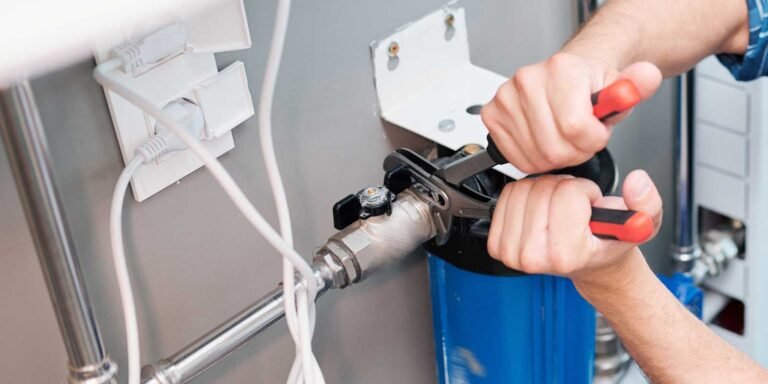
For homes with water softeners, softener repair and inspections can help identify problems with valves, regeneration settings, brine components, or other parts before the system becomes completely ineffective.
You don’t necessarily need someone inspecting the equipment every few weeks. The right schedule depends on the type of system, water quality, usage, and manufacturer recommendations. The important part is having a schedule instead of simply hoping everything continues working.
Filters Are Consumables for a Reason
Filters eventually fill up. That’s their job.
As a cartridge captures sediment or other substances, its performance can change. Water flow may slow down, and depending on the filtration technology, treatment effectiveness can decline as the filter reaches its capacity.
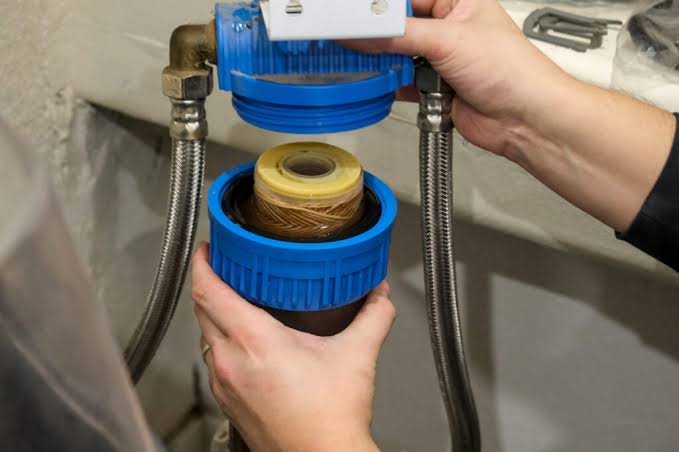
This is why filter changes and sanitation shouldn’t be treated as optional chores.
Follow the manufacturer’s recommended replacement interval, but also pay attention to your actual household conditions. A family that uses a lot of water may go through filters faster than a single-person household. Similarly, unusually sediment-heavy water can shorten filter life.
Some systems also require sanitizing during maintenance. That process helps keep the equipment clean and ready for continued use.
If you’re unsure whether your system needs sanitation or how frequently it should happen, check the manufacturer’s instructions or ask a qualified service professional.
Watch for Changes in Water Pressure
Water pressure is one of those things you notice immediately when it changes.
A shower that once had decent pressure suddenly feels weak. The kitchen faucet takes longer to fill a pot. Maybe the problem appears only when several fixtures are running.
There are several possible causes.
A clogged filter is one possibility, but pressure problems can also involve plumbing restrictions, valves, pumps, or other equipment. That’s why replacing a filter automatically isn’t always the right answer.
If a new filter doesn’t solve the issue, have the system evaluated rather than continuing to replace parts based on guesswork.
Sometimes the water is telling you something more interesting is happening.
Your Water’s Appearance Can Offer Clues
Clear water isn’t necessarily proof that everything is perfect, but visible changes can still be useful clues.
Cloudiness, discoloration, sediment, unusual particles, or new staining around fixtures are worth noticing. A change in taste or odor can also provide information.
None of these symptoms automatically tells you exactly what is happening. That’s the tricky part.
For example, rusty-colored staining may be associated with iron, while a strange odor can have several potential sources. Sometimes the issue comes from the incoming supply. In other cases, plumbing or a water heater may be involved.
Think of these changes as signals to investigate, not as instant diagnoses.
Re-Test When Conditions Change
Water quality isn’t necessarily fixed forever.
Groundwater conditions can shift. A private well may experience seasonal changes. Plumbing work can alter what reaches your taps. Even after installing treatment equipment, the source water itself may change over time.
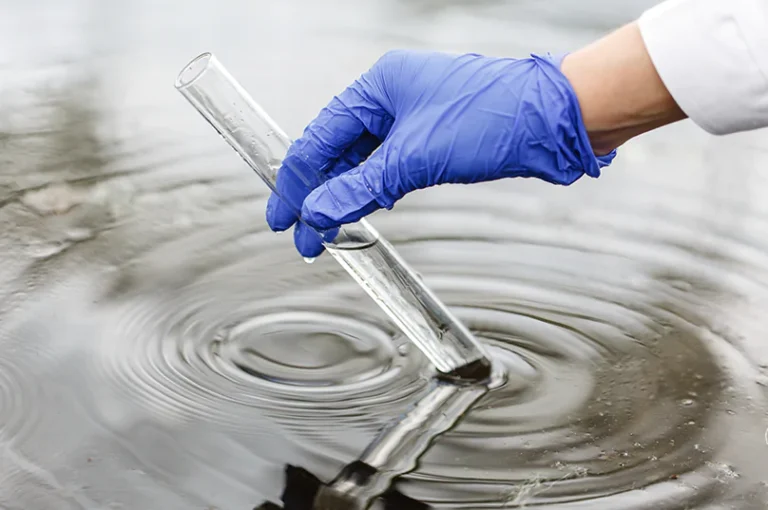
That’s where water quality re-testing can become useful.
If your water starts behaving differently after years of consistent performance, testing can help determine whether the treatment system is still appropriate. It can also show whether an issue is coming from the source water rather than the equipment.
For private wells especially, periodic testing is an important part of understanding what’s happening underground.
And if you’re concerned about a particular contaminant, use a test designed to measure that substance rather than relying on a generic home test alone.
Don’t Ignore the Salt Tank
If you have a conventional water softener, checking the salt level is one of the simplest maintenance tasks you can do.
But simply seeing salt in the tank doesn’t always mean everything is fine.
Salt can sometimes form a hard crust or “bridge,” leaving the system unable to use the salt properly. Other mechanical or control issues can also interfere with regeneration.
Check the tank according to the manufacturer’s guidance and avoid adding salt blindly every time you look inside.
If your water begins showing signs of hardness again — scale on fixtures, poor soap lathering, or changes in how water feels — the softener may need attention.
Listen to Your Equipment
Most treatment systems aren’t completely silent.
Valves open and close. Pumps operate. Softening equipment may regenerate. Some systems make occasional sounds as part of normal operation.
The concern is a sound that is new, unusually loud, repetitive, or accompanied by another change in performance.
Grinding, banging, persistent humming, or repeated clicking deserves a closer look.
Don’t automatically assume the equipment is failing, though. A technician can often identify whether a sound is normal operation or a sign of a component that needs attention.
Keep an Eye on Leaks
Water around a treatment system should never be casually ignored.
A small drip might come from a loose connection or worn seal, but persistent moisture can eventually damage flooring, walls, cabinets, or nearby equipment.
If you notice a leak, determine whether you can safely shut off the relevant water supply. For larger leaks or situations involving electrical components, get professional help promptly.
It’s much easier to deal with a small plumbing repair than with water damage that has spread into the structure of your home.
Maintenance Records Are Surprisingly Helpful
You don’t need a sophisticated maintenance management system.
A simple note on your phone can be enough.
Record when filters were replaced, when the system was serviced, and any unusual problems you noticed. Keep the equipment model number and installation information somewhere accessible.
This becomes especially useful when different technicians work on the system over time.
Instead of saying, “I think someone changed that filter sometime last winter,” you’ll have an actual date.
Small detail, big difference.
Know When DIY Stops Making Sense
There are maintenance tasks homeowners can reasonably handle, such as checking salt levels or replacing an accessible filter when the manufacturer specifically allows it.
Other jobs are better left to trained professionals.
Anything involving electrical components, pressure issues, complicated plumbing connections, internal valves, or unfamiliar treatment equipment deserves caution.
Saving a service call isn’t worth turning a small problem into a much larger one.
If you’re unsure, ask. A good technician should be happy to explain what needs to be done and why.
Maintenance Is Really About Fewer Surprises
The purpose of water treatment maintenance isn’t to keep you busy checking equipment.
Quite the opposite.
It’s about making the system less noticeable.
When filters are replaced on time, softeners are operating correctly, leaks are addressed early, and water quality is monitored when necessary, your treatment equipment can quietly do its job in the background.
That’s the ideal situation.
You don’t need to become an expert in water chemistry or spend your weekends inspecting pipes. Just build a few sensible habits into your normal home-care routine.
Pay attention to changes. Keep up with basic maintenance. Test the water when circumstances call for it. And when something doesn’t look right, don’t ignore it for months hoping it’ll somehow sort itself out.
Water treatment is one of those home investments you appreciate most when you don’t have to think about it.