Plumbing is easy to ignore when everything is behaving itself. You turn on the kitchen tap, flush the toilet, take a shower, and move on with your day. There’s no reason to think about pipes hidden behind walls or drainage lines buried beneath the house.
Then something changes.
A sink starts draining slowly. The toilet makes a strange sound after flushing. Water appears beneath a cabinet. Suddenly, the plumbing system you’ve barely noticed becomes impossible to ignore.
Most household plumbing problems don’t begin as major disasters. They often start with a small symptom that gets overlooked because life is busy. The good news is that paying attention to those early signs, using fixtures properly, and arranging timely repairs can prevent plenty of unnecessary damage.
Your Kitchen Sink Can Tell You a Lot
The kitchen sink handles a remarkable amount of work every day. Food preparation, dishwashing, rinsing cookware, filling pots—it all passes through the same basic plumbing system.
That makes proper habits important.
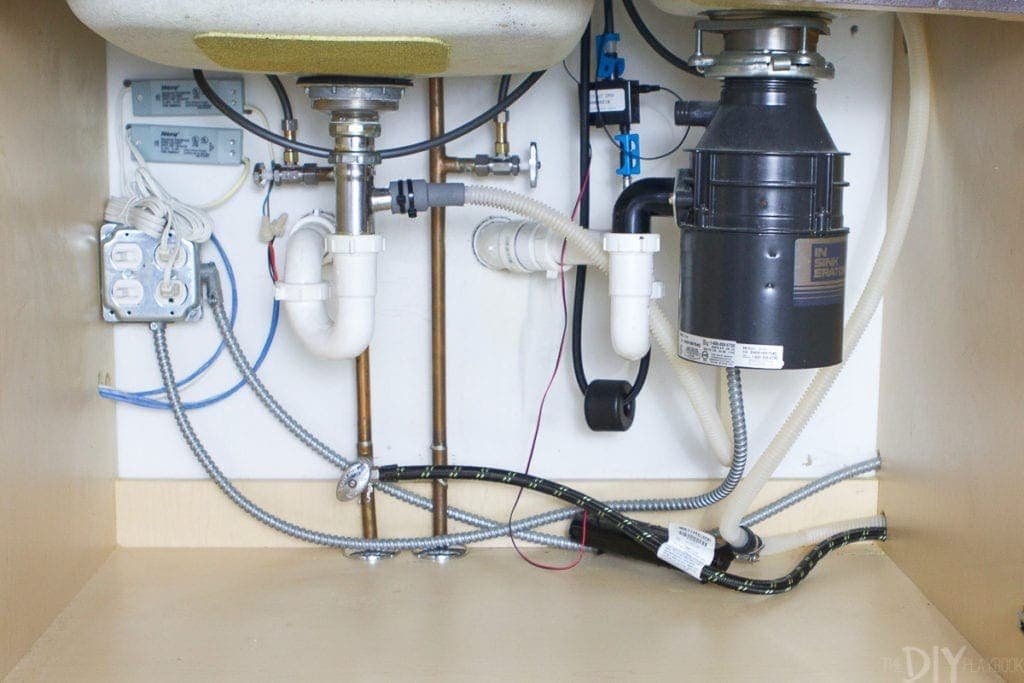
Garbage disposals can make kitchen cleanup easier by grinding suitable food scraps before they enter the drain. But they’re not designed to handle everything that happens to fit down the opening.
Grease and cooking oil are particularly troublesome because they can cool inside pipes and contribute to buildup. Fibrous foods, large bones, shells, and other hard or stringy materials can also create problems.
Run cold water while using the disposal and avoid overloading it. If the unit starts making unusual noises, smells persistently bad, or stops working correctly, don’t keep forcing it to operate. A small mechanical issue can become a larger one when ignored.
Toilets Need Attention Too
Toilets are among the most frequently used plumbing fixtures in any home, yet they rarely receive much thought until something goes wrong.
A toilet that keeps running is one obvious warning sign. You might hear the tank refill every few minutes, even though nobody has flushed it. This can indicate a worn flapper, faulty fill valve, or another issue inside the tank.
A toilet that rocks slightly when you sit down shouldn’t be ignored either. Movement can affect the seal at the base and potentially lead to water damage.
Professional toilet service can help identify problems involving flushing, leaks, clogs, running water, or worn components. Sometimes a small replacement part is all that’s required. In other cases, an older toilet may be better replaced rather than repeatedly repaired.
The important part is dealing with the problem before it becomes a bigger one.
A Small Leak Can Cause a Big Mess
Water doesn’t need much room to cause trouble.
A slow drip under a kitchen sink can soak cabinetry over time. A hidden pipe leak can damage drywall and insulation before you ever see standing water. Even a minor bathroom leak can create persistent moisture that leads to unpleasant odors or other damage.
Watch for damp cabinets, water stains, peeling paint, warped flooring, or musty smells. These aren’t always caused by plumbing, but they’re worth investigating when they appear near pipes or fixtures.
Visible leaks should be addressed promptly rather than treated as a minor inconvenience. If water is coming from a pressurized supply line, the situation can become much worse surprisingly quickly.
Knowing where your home’s main water shutoff valve is located is also important. In an emergency, those few seconds spent searching for it can feel much longer than they actually are.
Slow Drains Are More Than an Annoyance
A slow drain is easy to live with. You notice it, shrug, and continue using the sink.
Then it gets slower.
Eventually, the water may barely move at all.
Bathroom drains commonly collect hair, soap residue, and other buildup. Kitchen drains deal with food particles and grease. While an occasional blockage isn’t unusual, recurring clogs may indicate something more than simple surface buildup.
If you repeatedly clear the same drain and the problem returns, consider having the line inspected. Continuing to pour increasingly strong chemicals into the system isn’t necessarily the best solution and can sometimes create additional concerns.
And if several drains become slow at roughly the same time, pay attention. That may suggest a larger drainage issue rather than several unrelated blockages.
Water Pressure Can Reveal Hidden Problems
Water pressure changes gradually in some homes, making them surprisingly easy to overlook.
A shower may feel weaker than it used to. The kitchen faucet might take longer to fill a pot. Perhaps the washing machine seems to take forever to fill.
If one fixture has poor flow, the cause could be a clogged aerator or fixture-specific restriction. When pressure drops throughout the entire property, however, the cause may involve supply piping, valves, pressure-regulating equipment, mineral buildup, or another part of the plumbing system.
Sudden changes deserve particular attention.
High water pressure can also be problematic because it places additional stress on fixtures, appliances, and pipes. If you’re unsure whether your home’s pressure is appropriate, a professional assessment can provide a clearer answer.
Don’t Forget the Water Heater
Water heaters are often hidden in places nobody visits unless something has gone wrong.
That doesn’t mean they should be forgotten completely.
Traditional tank units can develop sediment buildup, while tankless systems may require descaling depending on water quality and manufacturer recommendations.
Warning signs include unusual noises, inconsistent temperatures, rusty-looking water, visible corrosion, or moisture around the equipment.
If your water heater is older and already showing several symptoms, planning a replacement may be more sensible than waiting for complete failure. Emergency replacements often leave homeowners choosing whatever is available rather than carefully comparing their options.
A Little Maintenance Goes a Long Way
Plumbing maintenance doesn’t have to become a major weekend project.
Take a few minutes every month to look beneath sinks, around toilets, near the water heater, and around exposed plumbing connections. Check for moisture, corrosion, or unusual buildup.
Clean faucet aerators when water flow weakens. Keep inappropriate items out of toilets and drains. Don’t pour grease down the kitchen sink.
You can also keep a simple record of major plumbing work. Note when the water heater was installed, when fixtures were replaced, and when significant repairs were completed.
That information becomes surprisingly useful when something goes wrong later.
DIY Repairs Have Their Limits
There are plenty of small plumbing tasks that homeowners can safely handle when they understand the process.
Replacing a showerhead, cleaning an aerator, changing a toilet flapper, or tightening an accessible connection may be straightforward.
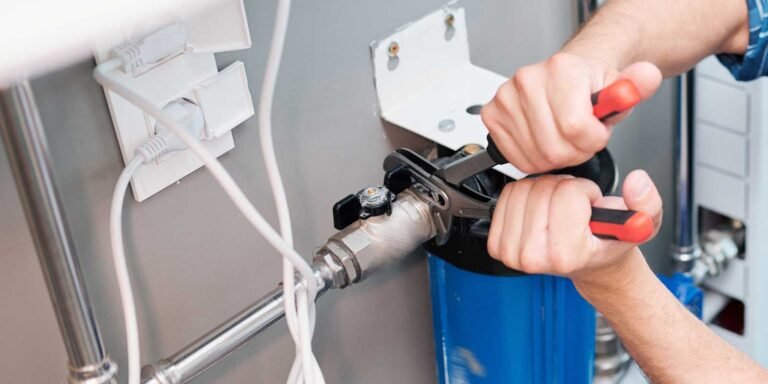
But plumbing can become risky when you’re dealing with hidden leaks, sewage, major supply lines, gas-connected equipment, or electrical components.
If a repair requires opening walls or making significant changes to the plumbing system, professional assistance is usually the safer choice. An incorrect repair can create water damage that isn’t visible until much later.
There’s no prize for doing everything yourself.
Pay Attention to Changes, Not Just Emergencies
One of the best ways to protect a plumbing system is simply to notice when it behaves differently.
A new sound. A strange odor. A fixture that drains more slowly. Water appearing somewhere it shouldn’t. A sudden increase in the water bill.
These aren’t necessarily signs of disaster. But they are clues.
Ignoring them doesn’t make them disappear. In some cases, the problem stays minor. In others, it quietly grows behind the scenes until the repair becomes more expensive and disruptive.
Reliable Plumbing Starts With Everyday Habits
A healthy plumbing system isn’t maintained by one giant repair. It’s protected through dozens of small decisions over time.
Use fixtures properly. Watch for warning signs. Keep drains clear. Check accessible plumbing. Maintain water-heating equipment. And when something clearly falls outside your DIY comfort zone, get professional help before the problem has time to spread.
Plumbing isn’t glamorous, and most of its important work happens where you can’t see it. But that hidden system supports nearly every ordinary routine in your home.
Take care of it when things are calm, and you’re far more likely to avoid the kind of plumbing emergency that turns an ordinary Tuesday into a very long day.