Water is supposed to be one of those things you don’t have to think about. Turn on the faucet, fill a glass, take a shower, and carry on with the day. But when the water starts smelling strange, tasting different, or looking unusual, it’s hard to ignore.
Sometimes the change is subtle. Maybe your coffee doesn’t taste quite right anymore. Perhaps there’s a faint odor when you first turn on the kitchen faucet. Or you notice a glass of water looks slightly hazy under the light. These situations can be frustrating, especially when you don’t know whether the issue is minor or something that deserves professional attention.
The first thing to remember is simple: don’t guess. Unusual water can have many possible causes, and the right solution depends on identifying what is actually happening.
Start With the Signs You Notice
Your senses are often the first warning system.
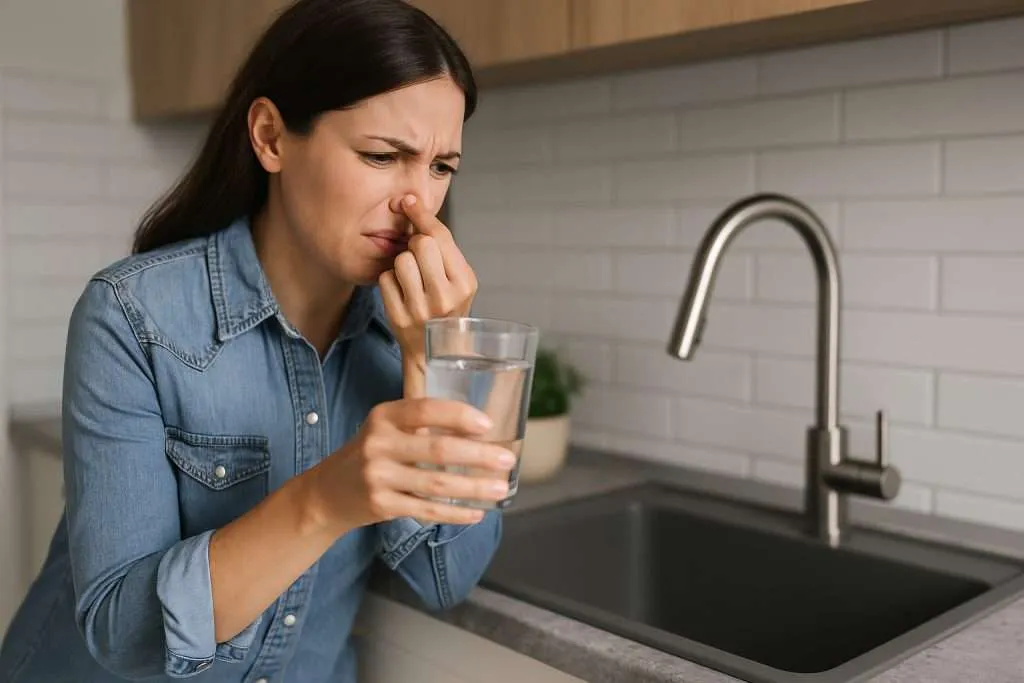
If you have smelly water, pay attention to when the odor appears. Does it come from every faucet, or only one? Is it strongest when the water has been sitting overnight? Does the smell disappear after the water runs for a few seconds?
Those details can be surprisingly useful.
Different odors can have different causes. A sulfur-like smell, for example, may be associated with hydrogen sulfide, while a chlorine-like odor may be related to water treatment practices. An odor coming from only one fixture could even point toward a local plumbing issue rather than a problem with the entire water supply.
Don’t immediately assume that a whole-house treatment system is necessary. First, figure out where the problem is coming from.
When Water Doesn’t Taste Right
Taste is another common reason homeowners start investigating their water.
A bad taste can make something as ordinary as filling a water bottle feel unpleasant. Some people describe water as metallic, bitter, chemical-like, or simply “off.” And once you notice it, it’s difficult not to notice it every time you take a drink.
Taste can be influenced by minerals, chlorine, plumbing materials, stagnant water, or other characteristics of the water.
Sometimes the issue is as simple as an old filter that needs replacing. In other situations, a filtration system may be useful. Activated carbon filters, for example, are commonly used to improve taste and odor by reducing certain compounds.
The important part is matching the treatment to the actual cause. Otherwise, you may spend money on equipment that doesn’t address the problem.
Why Cloudy Water Happens
Cloudy water can be unsettling, particularly when it appears suddenly.
There are several possible explanations. Tiny air bubbles can make water look milky or cloudy, and this can sometimes clear on its own after the water sits for a short time. Temperature changes can also affect how dissolved gases behave.
But not every case is simply trapped air.
Sediment, mineral particles, plumbing issues, or other water conditions can also affect appearance. If the cloudiness doesn’t clear or is accompanied by an unusual taste, odor, or discoloration, it’s worth investigating.
If you notice cloudy water, fill a clean, transparent glass and let it sit for several minutes. Observe whether the cloudiness clears from the bottom upward or remains suspended. That simple observation can provide a useful clue, although it isn’t a substitute for proper testing.
Don’t Rely Only on What You Can See
One of the tricky things about water is that some characteristics are completely invisible.
Water can look crystal clear and still contain minerals or other substances that affect its quality. Conversely, water that looks unusual isn’t automatically unsafe.
That’s why testing is such an important part of responsible water treatment.
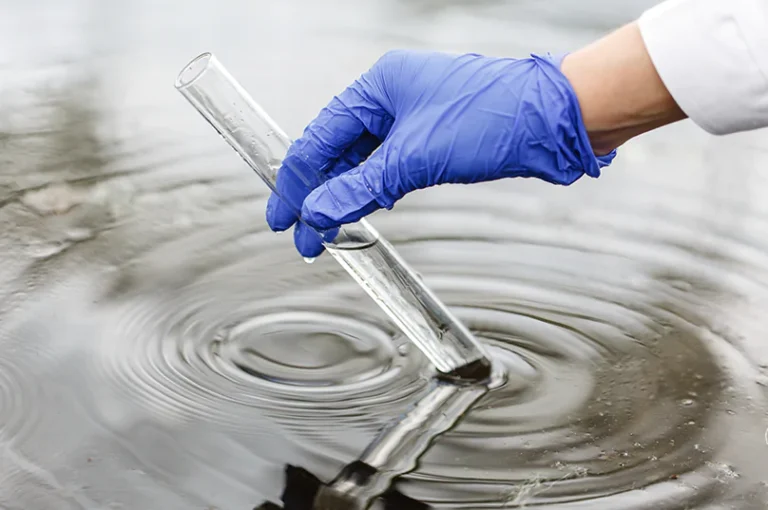
A proper water analysis can evaluate characteristics such as hardness, pH, iron, sediment, and other parameters depending on the water source and the reason for testing.
Testing doesn’t just identify potential problems. It can also prevent unnecessary treatment.
There’s no point installing equipment for something that isn’t actually present.
Hard Water Can Add to the Frustration
Hard water doesn’t necessarily cause strange smells or cloudy appearances, but it can create plenty of other household annoyances.
Calcium and magnesium can leave white deposits on faucets, shower doors, dishes, and appliances. Soap may be harder to rinse away, and water heaters can accumulate scale over time.
If your main complaint is mineral buildup, a water softener may be more appropriate than a standard drinking-water filter.
This distinction matters. A softener is designed primarily to reduce hardness minerals, while filtration systems are built around different treatment goals.
Choosing the right technology begins with understanding the specific issue.
Check the Faucet Before Blaming the Water
Not every water problem originates with the water supply.
If an unusual smell, taste, or discoloration appears at just one faucet, inspect the fixture and plumbing around it. Aerators can collect debris. Older plumbing components can sometimes influence water appearance or taste.
Try comparing several faucets in the home.
If the kitchen faucet has an issue while the bathroom taps seem normal, that information is important. If every faucet has the same problem, the source may be farther upstream.
This little bit of detective work can save time and potentially prevent an unnecessary equipment purchase.
Filters Need Attention Too
A filtration system can only work effectively when it’s maintained properly.
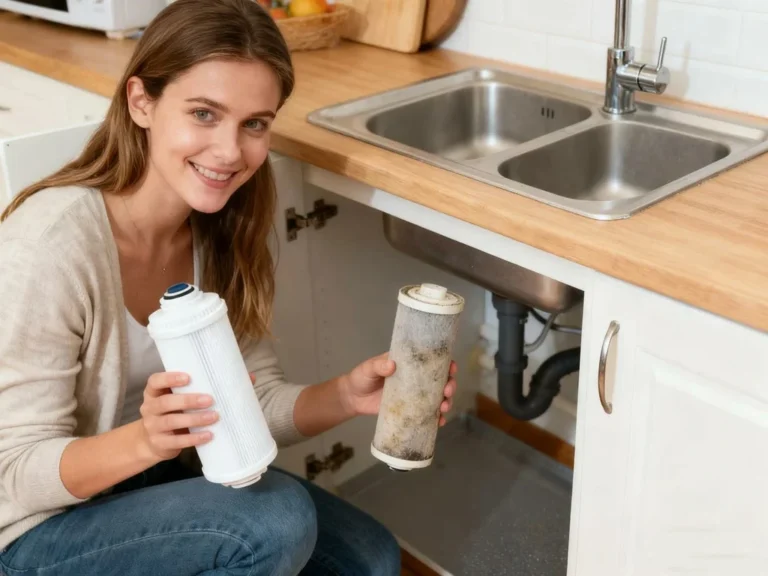
Filters have a useful service life. As they collect the substances they’re designed to reduce, their performance can eventually decline. A neglected filter may also affect water flow or contribute to unpleasant taste.
Keep track of when cartridges are installed and replaced. If the manufacturer’s recommendations say to replace a filter after a particular period or volume of water, treat that schedule as a starting point.
Don’t wait until the water tastes terrible before checking.
Routine maintenance is boring, yes, but it’s much easier than troubleshooting a system that has been neglected for months.
When a Whole-Home Solution Makes Sense
Some water concerns are limited to drinking and cooking. Others affect the entire property.
If showers, laundry, appliances, sinks, and drinking water all seem affected, a whole-house treatment approach may be worth considering.
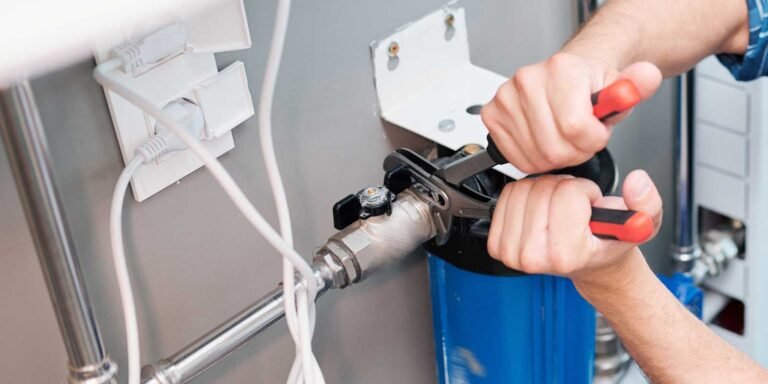
The right system depends on what testing shows. A whole-home carbon filter, water softener, iron-treatment system, or combination of technologies may be appropriate in different situations.
There’s no prize for having the most equipment in the basement.
A smaller, properly selected system is often better than an oversized collection of treatment devices that don’t have a clear purpose.
Consider the Source of Your Water
The water source can influence what types of concerns are likely.
Municipal water and private wells can have different characteristics and treatment considerations. Local conditions, plumbing, and seasonal changes may also affect the way water behaves.
If you’re on a private well, regular testing can be particularly useful because the water source isn’t being managed in the same way as a centralized municipal supply.
Regardless of the source, sudden changes deserve attention.
A noticeable difference in taste, smell, or appearance is a good reason to investigate rather than simply accepting it as normal.
Get Professional Advice When the Problem Persists
Some water issues are easy to solve. Others aren’t.
If testing shows a specific concern, or if unusual water conditions continue despite basic maintenance, professional guidance can help. A qualified water-treatment specialist can review the test results, explain available technologies, and determine whether treatment is actually necessary.
Look for someone willing to explain the reasoning behind a recommendation.
You should understand what the equipment does, what it doesn’t do, how often it needs service, and what ownership will cost over time.
Good advice shouldn’t feel like a sales pitch.
A Better Approach to Better Water
Unusual water can be annoying, but it doesn’t have to become an overwhelming project.
Start with observation. Note the smell, taste, appearance, and where the problem occurs. Check your filters and fixtures. Test the water when appropriate, then use those results to guide your treatment choices.
The biggest mistake is treating the symptom without understanding the cause.
Once you know what’s happening, the solution often becomes much clearer. Maybe it’s a simple filter replacement. Maybe the home needs a softener. Perhaps a specialized filtration system is appropriate. Or, surprisingly, you may discover that no major equipment is needed at all.
The goal isn’t to make water treatment complicated. It’s to make your water dependable again.
And when you turn on the faucet tomorrow morning and don’t notice anything unusual, that’s when you’ll know the solution is doing exactly what it should.