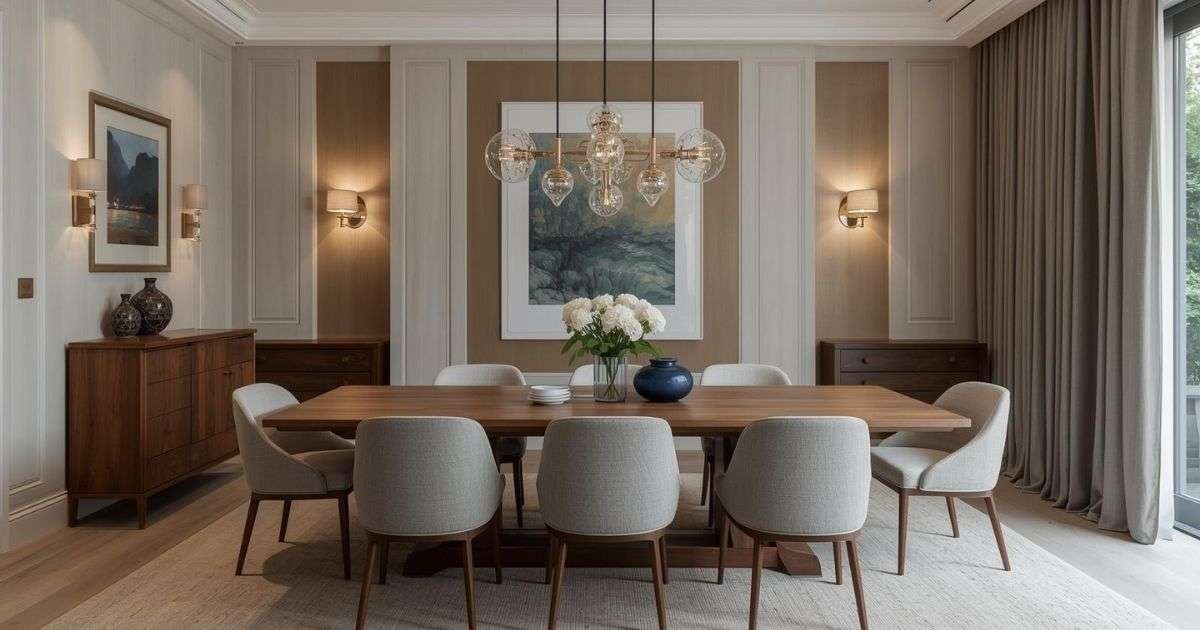
Furniture has a strange way of becoming part of our lives. We notice it when we first buy it, admire the shape, compare fabrics, debate the color. Then, after a while, it simply becomes part of the rhythm of the house.
That’s when good furniture really proves its worth.
The sofa becomes the place where everyone gathers after dinner. The dining table collects birthday cakes, homework, coffee cups, and hurried breakfasts. A bedroom chair becomes the unofficial place where tomorrow’s clothes are left. None of this usually appears in a design presentation, but these ordinary moments are exactly what a well-furnished home should support.
Choosing furniture, then, isn’t only about making rooms look finished. It’s about creating spaces that feel comfortable, useful, and genuinely connected to the way people live.
Start With the Room, Not the Shopping List
One of the easiest mistakes to make is buying furniture before understanding the room.
A beautiful sofa can become a problem if it blocks a doorway. A dining table can look perfect online but leave barely enough space to pull out a chair. A king-size bed may technically fit inside a bedroom while making the rest of the room feel cramped.
Measurements matter, of course. But so does movement.
Before choosing a piece, consider how people enter and leave the room, where doors swing, how much walking space is needed, and where natural light falls. Think about what the room needs to accomplish on a normal day rather than how it might look in an ideal photograph.
It sounds obvious, yet it’s surprisingly easy to forget.
A room needs breathing space.
Comfort Should Never Be an Afterthought
There are plenty of beautiful chairs that nobody actually wants to sit in.
That’s not a particularly useful design success.
Comfort is subjective, but there are practical things to consider. Seat depth, cushion firmness, arm height, back support, and fabric texture all influence how furniture feels over time. Someone who likes to sit upright and read will probably want something different from a person who spends Saturday afternoons stretched out watching movies.
This is where custom seating and upholstery can become especially useful. Instead of adapting to whatever dimensions or fabrics happen to be available, homeowners can create pieces around the specific needs of the room and the people using it.
A window seat might need deeper cushions. A compact lounge chair may need a particular seat height. A family sofa may benefit from durable upholstery that can handle years of everyday use.
The goal isn’t customization for its own sake. It’s getting the details right.
The Dining Room Is More Than a Place to Eat
Dining rooms often carry more emotional weight than we give them credit for.
They’re where conversations stretch late into the evening. Where holiday meals become family traditions. Where someone occasionally works on a laptop because every other room is occupied.
The table is naturally the center of all this activity, so its proportions deserve careful thought.
Dining tables and seating should work together rather than being chosen as unrelated pieces. Table height, chair dimensions, leg placement, and the amount of space between seats can all affect comfort. A table that looks generous in a showroom may feel surprisingly crowded once six people sit around it.
Shape matters, too.
Round tables can encourage conversation and work nicely in smaller rooms. Rectangular tables provide more traditional structure and can accommodate larger gatherings. Oval designs offer a softer silhouette while retaining useful seating capacity.
There isn’t a universally perfect shape. The right one depends on the room and, more importantly, the way the household uses it.
Bedrooms Deserve a Different Kind of Attention
Living rooms and dining rooms tend to receive more attention because they’re public spaces. Bedrooms are quieter, but that doesn’t make them less important.
A bedroom should help the body and mind slow down.
The bed is obviously the focal point, but everything around it contributes to the experience. Nightstands need enough surface area for practical items. Lighting should be easy to operate from bed. Storage should be accessible without making the room feel crowded.
Thoughtfully selected beds and bedroom furnishings can create a sense of calm while still reflecting personal style. Upholstered headboards add softness. A bench at the foot of the bed can provide a useful landing place for blankets or clothing. A comfortable chair can turn an empty corner into a quiet reading spot.
And yes, a good mattress matters more than an impressive headboard. Design should never lose sight of that.
Think About Scale Before Style
Style gets most of the attention when furniture is discussed, but scale is often what determines whether a room actually works.
A large room can handle substantial furniture without feeling overwhelmed. A smaller room may need pieces with lighter visual weight, even if there is technically enough floor area for something larger.
Ceiling height matters, too.
Tall rooms can accommodate higher-backed chairs, generous shelving, and larger artwork. Lower rooms may benefit from furniture with cleaner horizontal lines.
The interesting thing is that scale isn’t always about exact dimensions. Visual weight matters. A dark, bulky sofa can feel larger than a lighter piece of the same size.
That’s why seeing furniture in context is so valuable.
Mix Materials Without Making the Room Chaotic
A room made entirely from one material can feel flat. A room filled with too many competing finishes can feel restless.
The sweet spot usually sits somewhere in between.
Wood brings warmth. Metal adds structure. Glass can provide visual lightness. Stone introduces natural variation. Upholstery and woven materials soften harder surfaces.
These differences create layers.
You don’t need every material to match perfectly. In fact, a slightly unexpected combination can give a room more personality. A contemporary dining table beside traditional chairs may work beautifully. An antique chest can sit comfortably alongside modern upholstery.
The key is finding a thread that connects the pieces, whether that’s color, proportion, finish, or simply a shared sense of character.
Furniture Should Support Real Habits
A home tells you a lot about its owners if you pay attention.
Maybe everyone drops their bags near the kitchen. Perhaps the family watches television from the same sofa every night. Maybe Sunday breakfast happens at a small table near a window rather than in the formal dining room.
These habits should influence furniture choices.
Designing around real routines often produces better results than designing around an imaginary lifestyle. If a side table will always hold books and coffee, make sure it’s actually reachable. If guests regularly gather in the kitchen, provide somewhere comfortable to sit nearby.
Practicality doesn’t make a room less elegant.
Quite the opposite. When furniture works naturally, the whole interior feels more considered.
Give Good Pieces Some Breathing Room
There’s also value in not filling every available corner.
A room doesn’t need furniture simply because there is empty floor space. Leaving some areas open can make important pieces feel more substantial and can improve circulation.
This is particularly helpful in bedrooms and living rooms, where visual calm can be just as valuable as additional storage.
A carefully chosen chair is often more effective than three average ones. One substantial piece of artwork can have greater impact than a wall crowded with decorative objects.
Restraint can be surprisingly difficult, especially when you’re excited about a project. But it pays off.
The Best Furniture Becomes Part of the Story
Ultimately, furniture should do more than complete a room.
It should participate in life.
The dining table may eventually carry scratches from years of family meals. The sofa may become softer with use. A favorite chair might move from one room to another as the household changes. A bedside table could end up holding the same stack of books for a decade.
Those marks and memories aren’t failures of design. They’re evidence that the furniture is being lived with.
The most successful interiors don’t feel frozen in time. They have enough structure to feel intentional, but enough flexibility to evolve.
So when choosing furniture, look beyond the first impression. Ask whether the piece will be comfortable on an ordinary Tuesday. Whether it will still make sense when the room changes. Whether it invites people to sit, gather, rest, talk, read, eat, and stay awhile.
Because at the end of the day, furniture isn’t really about filling space.
It’s about making space feel like home.