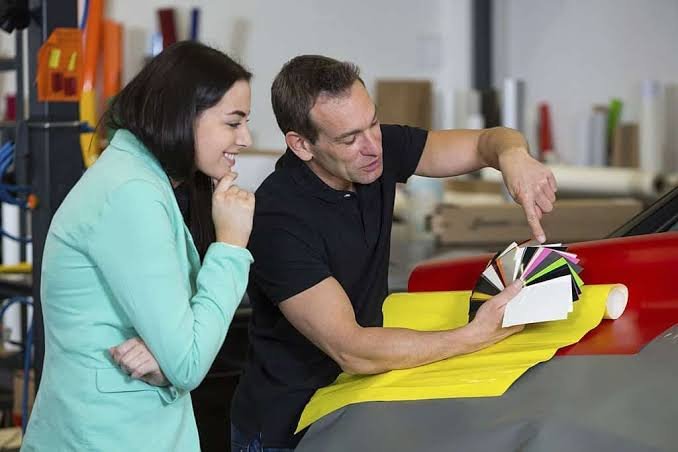
A vehicle wrap can change the way a business is seen—literally. One day, it’s an ordinary van sitting in the driveway. The next, it’s a moving piece of advertising traveling through neighborhoods, parking outside customer homes and turning up at job sites.
But a successful wrap isn’t just about sticking a colorful graphic onto a vehicle. There’s a surprising amount of thought behind the process, from the first design idea to the final installation and, eventually, removal. When those pieces work together, the result feels polished rather than simply “wrapped.”
It Starts With a Strong Brand Idea
Before anyone measures a vehicle or chooses a vinyl finish, the business needs to know what it wants people to remember.
Good branding & design should communicate the personality of a company without making customers work too hard. A plumbing company might benefit from bold lettering and straightforward service information. A creative studio can afford to be more playful. A luxury business may want something restrained and elegant.
The point is that the vehicle should look like an extension of the business.
There’s also a practical side. A vehicle is usually viewed from a distance and often for only a few seconds. That means the company name, logo and main message should be easy to recognize quickly. Cramming every service, social media account and promotional offer onto the side panel rarely helps.
Simple usually wins.
Think About the Vehicle Before the Artwork
A design that looks perfect on a computer screen may not work perfectly on an actual vehicle.
Doors open. Handles interrupt graphics. Wheel arches create curves. Windows and seams change the available space. Even the shape of a vehicle can affect how text appears from different angles.
That’s why designers should work with accurate vehicle templates whenever possible. They can plan around these features instead of discovering problems when the vinyl is already printed.
It’s one of those behind-the-scenes steps customers rarely see, but it can make a big difference to the final appearance.
Material Selection Is Part of the Design
Not every vinyl product is appropriate for every application.
Vehicles are exposed to sunlight, rain, dust, road salt, temperature changes and frequent cleaning. A material that works beautifully indoors may not be suitable for long-term outdoor use.
Businesses should consider durability, finish, expected lifespan and maintenance requirements before making a decision. Gloss, matte, satin and specialty finishes can all create different visual effects, but appearance shouldn’t be the only consideration.
The best material is the one that fits the environment and the purpose of the project.
Why Professional Installation Matters
Once the artwork and materials are ready, installation becomes the next major step.
A professional wrap installation involves much more than peeling backing paper and smoothing vinyl onto a panel. The surface needs to be properly cleaned and prepared. The installer must understand how the material behaves around curves, edges and difficult sections.
Temperature and working conditions can matter too.
Experienced installers know how to position graphics accurately, manage tension and finish edges cleanly. They can also identify potential problems before they become permanent.
A small wrinkle may not seem important at first. A few bubbles might look harmless. But once the vehicle is exposed to heat and weather, those little imperfections can become much more noticeable.
Preparation Is Often the Difference
Surface preparation isn’t particularly exciting, but it’s essential.
Dust, wax, grease and residue can interfere with adhesion. If the surface isn’t ready, even high-quality vinyl may not perform as expected.
The vehicle should be cleaned carefully, and areas around edges, seams and other difficult spots deserve particular attention.
This is where rushing can become expensive. Spending extra time preparing the vehicle may feel slow when everyone wants to see the finished design, but good installation is rarely a race.
Living With a Wrapped Vehicle
After installation, the vehicle needs some basic care.
Regular washing helps remove dirt and road grime before they build up. However, owners should avoid overly aggressive cleaning methods unless the material manufacturer specifically recommends them.
Automatic car washes can sometimes be rough on graphics, particularly if they use stiff brushes. Hand washing with suitable products is often a safer approach.
Parking in shade when possible can also reduce prolonged exposure to intense sunlight. You don’t have to treat the vehicle like a museum piece, of course. Just a little common sense can help maintain the appearance.
When It’s Time for a Change
Businesses evolve. Logos change. Contact numbers get updated. Services expand. Sometimes a company simply wants a new look.
That’s where wrap removal becomes part of the overall process.
Removing vinyl should be done carefully. Pulling aggressively or using inappropriate tools can damage the underlying paint, especially if the vehicle has existing paint problems or previous repairs.
Professional removal typically involves controlled techniques designed to lift the material while minimizing the risk of surface damage.
Before removal begins, it’s also worth checking the condition of the original paint. A wrap can sometimes protect paint from everyday exposure, but the underlying surface may have existing imperfections that only become visible after the vinyl comes off.
Planning for the Future
A smart business should think about the entire life cycle of a wrap, not just installation day.
Ask questions such as:
- How long is the wrap expected to last?
- What maintenance does it require?
- Can individual panels be replaced?
- What happens when the business changes its contact information?
- How will the wrap eventually be removed?
Having those answers makes the investment easier to manage.
It also helps businesses avoid making decisions based solely on the lowest initial price. A cheaper installation that needs replacement quickly may cost more in the long run than a well-planned project completed with appropriate materials.
A Wrap Should Feel Like Part of the Business
The best vehicle wraps don’t feel like an advertisement pasted onto a car. They feel integrated.
The colors make sense. The logo is recognizable. The message is clear. The graphics follow the shape of the vehicle rather than fighting against it.
Most importantly, the design reflects the company behind it.
A well-executed wrap can quietly build recognition every day. It travels to different neighborhoods, appears at customer locations and keeps the brand visible without requiring another advertising slot.
From the first design sketch to eventual removal, every stage matters. And when businesses take the time to get those stages right, an ordinary vehicle can become something much more useful: a professional, memorable and genuinely hard-to-ignore part of the brand.