
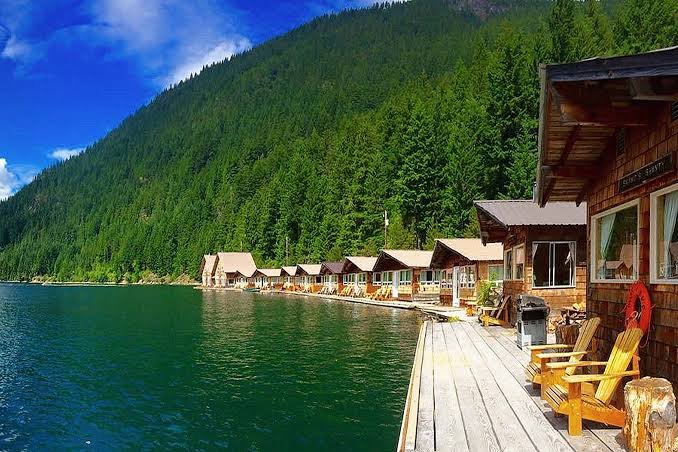
There’s a point during some vacations when you stop thinking about what comes next. You’re not checking the time, looking for the nearest attraction or wondering whether you’ve packed enough activities into the day. You’re simply there — listening to the trees, watching the water and enjoying the strange luxury of having nowhere urgent to go.
That’s the beauty of a nature-focused getaway. It doesn’t need to be extravagant. A comfortable place to stay, a peaceful landscape and a little free time can be enough to make an ordinary weekend feel completely different.
For travelers who enjoy fresh air, outdoor activities and a slower pace, a trip into the countryside can offer exactly that. And sometimes, getting away from the noise is more valuable than seeing another crowded tourist attraction.
Choosing a Comfortable Place to Stay
Accommodation becomes especially important when you’re traveling somewhere remote. After a day of hiking, paddling or exploring, you want somewhere that feels welcoming rather than simply functional.
Private cabins are a popular option for travelers who want more space and privacy. They can work well for couples looking for a quiet weekend, families needing room to spread out, or groups of friends who want to cook and relax together.
Before booking, look at the practical details. Does the cabin have a kitchen? Are linens provided? Is heating available? How close is parking? Is the property accessible during poor weather?
These aren’t exciting questions, but they matter. A little preparation beforehand can save you plenty of frustration once you’re there.
Let the Water Set the Pace
Water naturally encourages a slower rhythm.
Spending time near open water can be surprisingly calming, whether you’re sitting on the shore with a book, fishing early in the morning or taking a kayak out for a short paddle.
If you’re planning water activities, check local conditions first. Wind, temperature and changing weather can make a major difference, particularly for beginners.
Always use appropriate safety equipment and follow local regulations. Even experienced visitors shouldn’t underestimate changing water conditions. A peaceful lake can look harmless, but nature deserves a healthy amount of respect.
Find Adventure Without Chasing It
A wilderness vacation doesn’t have to mean extreme adventure.
You can hike a short trail, explore the shoreline, photograph wildlife or take a slow walk through the forest. If you’re more active, longer hikes, mountain biking or paddling can add a little challenge to the day.
The key is choosing activities that fit your ability.
Don’t pick the hardest trail simply because it has the best reviews. A moderate route with a beautiful view can be much more enjoyable than a difficult one that leaves you exhausted before lunchtime.
And remember, turning back isn’t failure. It’s just good judgment.
Why Remote Places Feel So Refreshing
A true wilderness destination offers something that busy cities struggle to provide: space.
Space to think. Space to walk. Space to sit quietly without feeling as though you should be doing something productive.
The lack of constant noise can feel strange at first. You might reach for your phone automatically, only to realize there’s nothing you actually need to check.
Give yourself time.
After a day or two, the slower rhythm starts to feel normal. You notice birdsong, changing light and small details in the landscape that you’d probably ignore at home.
Pack for Comfort and Changing Conditions
Packing for a nature getaway doesn’t need to involve expensive equipment, but you should bring the essentials.
Start with comfortable walking shoes, weather-appropriate layers, sunscreen, insect repellent, drinking water and snacks. A lightweight rain jacket is useful even when rain isn’t in the forecast.
A small first-aid kit is worth carrying, particularly if you’re exploring trails away from your accommodation. Keep a flashlight handy too. It sounds unnecessary until you realize how quickly a forest becomes dark after sunset.
If mobile service may be limited, download maps before leaving. Don’t rely entirely on your phone to find your way back.
Make Meals Part of the Experience
Food tastes different outdoors. Maybe it’s the fresh air, maybe it’s hunger after a long walk. Either way, simple meals can feel surprisingly satisfying during a cabin stay.
If you have access to a kitchen or grill, plan easy meals that don’t require a dozen ingredients. Breakfast can be eggs, toast and coffee. Lunch might be sandwiches and fruit. Dinner could be something grilled with a few simple sides.
Cooking together can become part of the vacation itself.
Someone prepares the vegetables, another handles the grill, and someone else inevitably “tests” the food several times before dinner. That’s how it goes.
If cooking isn’t your thing, look for local restaurants nearby. Supporting small businesses can also give you a taste of the area beyond the usual tourist experience.
Don’t Fill Every Hour
This may be the hardest advice for some travelers.
Leave time with nothing planned.
You don’t have to complete every trail, photograph every viewpoint or try every available activity. Spend an afternoon sitting outside. Read. Take a nap. Watch the clouds.
A vacation shouldn’t become another productivity challenge.
Some of the best memories come from moments that weren’t scheduled at all — an unexpected sunset, a long conversation, a quiet walk after dinner or a morning when everyone sleeps later than planned.
Respect the Landscape
Natural areas need visitors to be thoughtful.
Take rubbish with you, stay on marked trails where required and avoid disturbing wildlife. Never feed animals, even when they seem friendly. Keep a safe distance and allow them to behave naturally.
If you’re using the water, follow local rules and avoid leaving behind fishing line, plastic or other waste.
It’s simple: enjoy the landscape without damaging it.
Future visitors should have the same chance to experience the place you enjoyed.
Return Home a Little Lighter
Eventually, the trip has to end. Bags get packed, the car gets loaded and the familiar roads begin appearing again.
But something about a quiet nature escape tends to stay with you.
Maybe it’s the memory of morning coffee beside the water. Maybe it’s the sound of rain against the cabin roof. Maybe it’s a trail you didn’t expect to enjoy as much as you did.
The point isn’t to escape everyday life forever. That’s not realistic.
It’s to step away from it long enough to remember that life doesn’t always need to move so quickly.
A few days surrounded by trees, water and open space can be enough to clear your head. And sometimes, when you return home, you find yourself wanting to bring a little of that slower pace with you.